InnoTrans 2026 Shows How Train Interiors Are Being Designed for Maintenance
GERMANY: Wall-mounted seats and tool-free floor fasteners heading to InnoTrans 2026 put a practical issue behind passenger-facing design into focus: how easily a train interior can be cleaned, repaired and have worn components replaced.
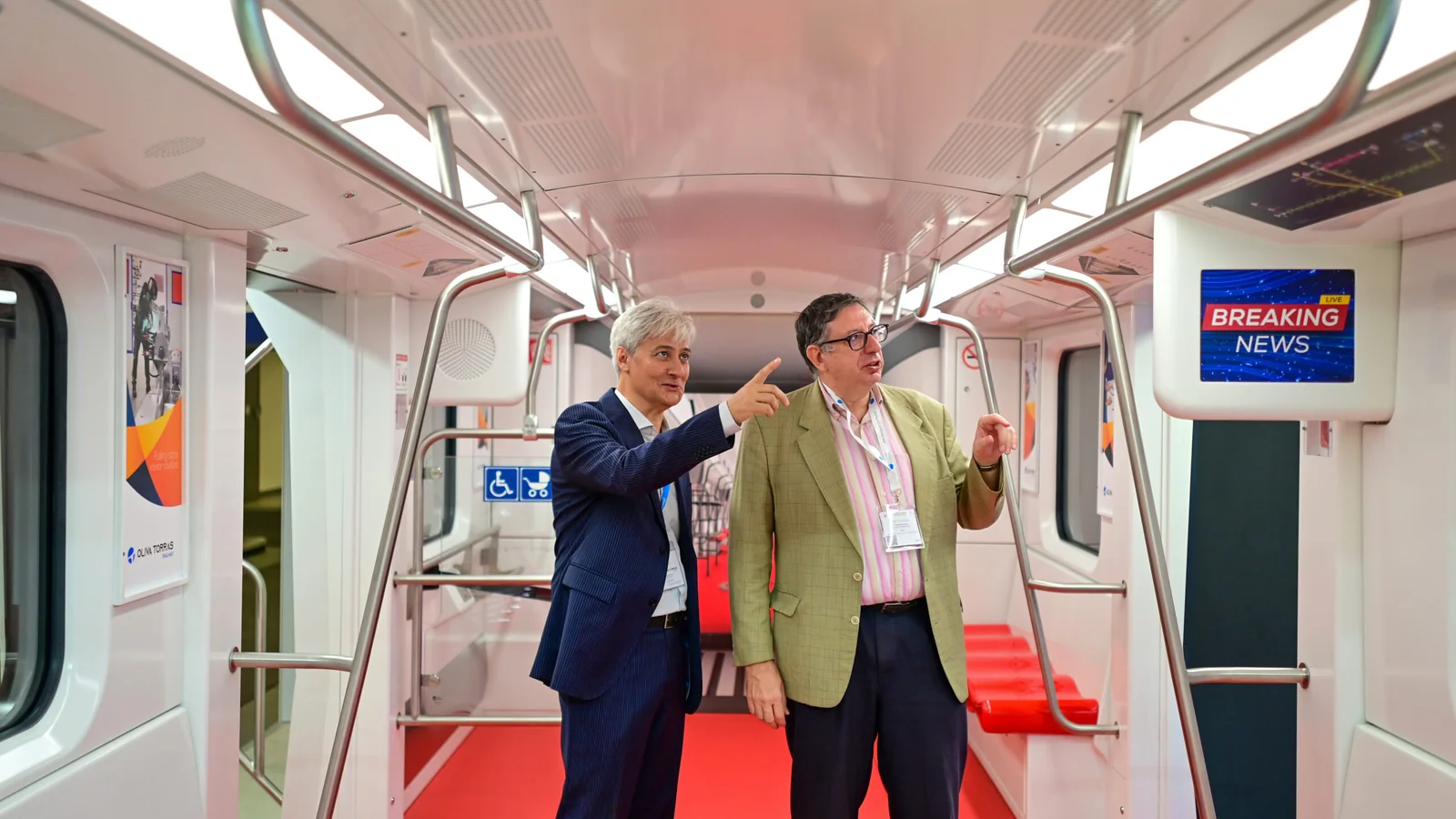
Nearly 300 exhibitors are scheduled to present interior solutions across about 15,000 square metres in Halls 1.1, 3.1 and 5.1 when InnoTrans 2026 runs in Berlin from 22 to 25 September. The preview ranges from seating and flooring to safety equipment and catering, but the maintenance examples expose a less visible part of interior design: the work required after a train enters service.
That issue is not confined to supplier marketing. A Transport for NSW rolling-stock standard that took effect in 2025 requires interior finishes and materials to be considered for ease of cleaning, repairing and replacing. It is one authority’s requirement, not an industry-wide rule, but it shows how the same problem can appear on the buyer side of rolling-stock design.
Clerprem has used wall fixing beyond the trade-show concept
For InnoTrans 2026, Italian supplier Clerprem has announced a new seat concept mounted to the vehicle wall, leaving the floor unobstructed. The stated purpose is straightforward: make cleaning easier and reduce the time needed for maintenance.
Clerprem’s project record shows that wall fixing is not only a show-floor geometry. In 2022, the company described a supply of seats for five new Gornergrat Bahn electric trains developed with Stadler. The engineering team selected a tip-up seat with wall fixing to reduce the footprint in the small vehicles, lower weight and leave more room for sports equipment. Those were not stated as cleaning benefits, but the project provides a documented railway application of the same basic mounting principle.
More recent Clerprem material describes an Inverted Cantilever system for a new Alstom-developed Paris Metro project. Clerprem says the structure integrates the support inside the seat and links the design to lower material use during maintenance; a 2026 company description also says the seat is anchored directly to the wall and is easier to clean. The supplier material reviewed does not establish that this Paris design is exactly the seat being presented at InnoTrans 2026, so the two should not be treated as the same product without further confirmation.
Don’t miss…Sydney’s Western Harbour Tunnel Enters Final 1.5km Drive With Both TBMs Running
Binder turns carpet replacement into a fastening problem
German manufacturer Gottlieb Binder is approaching maintainability from the floor. The InnoTrans preview says its TUFF fastening systems allow carpets to be fitted without tools, simplifying replacement and reducing maintenance time.
Binder’s own railway application documentation describes train-carpet fixation as rapid, easy and interchangeable, and says its seat fasteners are intended to support easier maintenance and cleaning. TUFF stands for touch-activated ultra-thin film fastener: the tape grips open fibres or filaments rather than using a conventional two-part hook-and-loop closure.
There is an important limit to the shorthand “reusable”. Binder’s technical comparison says TUFF fasteners have a limited number of engagement and disengagement cycles, unlike conventional hook-and-loop products designed for hundreds or thousands of cycles. The public material reviewed does not provide a quantified rail-maintenance time saving for the InnoTrans application.
A 2025 TfNSW standard makes maintainability explicit
Transport for NSW provides a current example of how these concerns can be written into rolling-stock requirements. Its TS 04977:0.1 Human Factors Integration – Rolling Stock, effective from 5 August 2025, applies to organisations supplying new or altered rolling stock to TfNSW and treats maintenance personnel and cleaners as end users who must be considered during design.
For passenger areas, the standard requires the choice of finishes and materials to take account of ease of cleaning, repairing and replacing, alongside durability and resistance to vandalism. It also requires mock-ups to be used through the design process and allows feedback about operational, maintenance or cleaning difficulties to trigger design changes.
That does not prove every operator is specifying interiors in the same way, nor does it establish a direct link between TfNSW and the products being shown in Berlin. It does, however, provide a documented buyer-side example of maintainability being treated as a design requirement rather than an afterthought.
The missing evidence is measured maintenance performance
The InnoTrans preview remains an announcement, and the available supplier material does not close every evidence gap. No public figure reviewed for the Clerprem or Binder examples quantifies minutes saved, labour reduction, train downtime or lifecycle cost. The official Binder material reviewed also does not identify a railway customer for the specific carpet-fastening application.
That distinction matters. Wall-mounted seating and tool-free flooring can make the maintenance logic visible, but design intent is not the same as measured fleet performance. Clerprem’s earlier wall-fixed railway work shows the mounting principle has real rail applications; Binder documents how its fastening technology is intended to simplify replacement. The next level of evidence would be validated maintenance procedures, named deployments and measured results.
For an Interiors segment of roughly 15,000 square metres, that gives InnoTrans 2026 a useful test beyond aesthetics. The stronger interior innovations will be the ones that can connect passenger-facing design with the less visible work of keeping vehicles clean, serviceable and practical to renew.
News on railway transport, industry, and railway technologies from Railway Supply that you might have missed:


