Strategic rail corridors in Egypt to be modernized
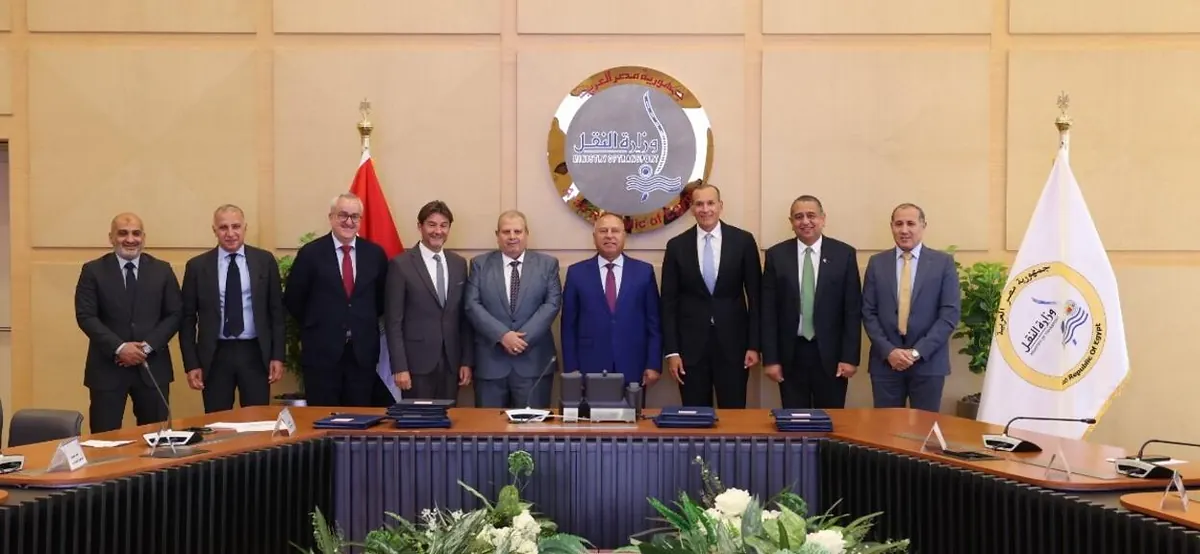
Strategic rail corridors in Egypt will be modernized under four contracts signed by a consortium led by Alstom with Egyptian National Railways. Rowad Modern Engineering and Concrete Plus are also part of the consortium.
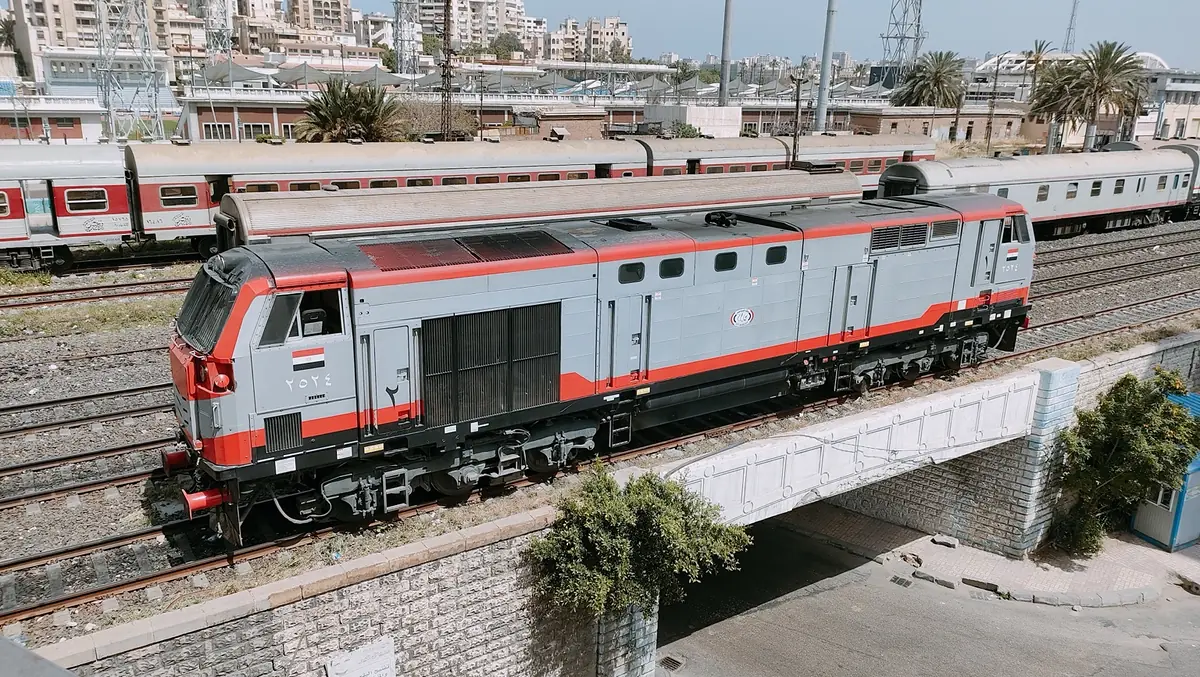
The agreements have a combined value of EUR 690 million, while Alstom’s share amounts to EUR 300 million.
The programme covers two routes that are important for freight movement and logistics development in Egypt: the railway corridor between 6 October City and Alexandria, and the Belbes–10th of Ramadan line, also known as the B10 line.
The largest contract covers the 6 October–Alexandria corridor. This project is valued at EUR 550 million, including EUR 240 million for Alstom. The work will be delivered in three main phases and will include several areas of railway modernization.
Strategic rail corridors in Egypt and their scope
On the 6 October–Alexandria corridor, the scope includes digital railway systems, telecommunications upgrades, stronger power supply infrastructure, and full rehabilitation of the railway infrastructure.
The investments are expected to improve traffic safety, increase transport capacity, and raise operational reliability. They are also intended to reduce travel time along the full route by almost 80 minutes.
The Belbes–10th of Ramadan line has an estimated value of EUR 140 million. It will receive the same modern technologies and is intended to improve access to one of Egypt’s most important industrial zones.
The authorities and partners involved expect the project to streamline freight transport and support economic development along the logistics corridor in eastern Egypt.
Rail links between logistics hubs and ports
The modernization programme is aimed at improving connections between the 6 October inland port and the Port of Alexandria. It will also strengthen rail access to the 10th of Ramadan industrial zone.
These works are designed to reinforce links between Egypt’s main logistics centres and its seaports. The investments are also intended to reduce supply-chain bottlenecks, encourage a shift of freight traffic to rail, and support trade growth at national and regional levels.
Alstom’s role in digital railway systems
As consortium leader, Alstom will be responsible for the design, engineering, supply, testing, and commissioning of the new digital rail systems.
The technical scope includes ETCS Level 1, modern telecommunications networks, upgraded power infrastructure, and advanced operational control systems. These systems will enable real-time traffic management along the entire route.
Rowad Modern Engineering and Concrete Plus will construct the technical buildings, electromechanical installations, and infrastructure and superstructure works needed for the development of modern and resilient rail corridors.
The contracts also include a substantial local component. Around 50% of their value is expected to be delivered with the participation of Egyptian specialists and suppliers.
Context
Egypt Vision 2030 places secure and sustainable transport systems within the country’s wider infrastructure goals, including railways, maritime and land ports, dry ports and logistics centers. Egypt’s Port Development Strategy 2030 also emphasizes multimodal links between seaports, railways and river transport, as well as connections between ports and logistics centers. In this context, the Alstom-led contracts fit the same logistics agenda: the projects connect the 6 October inland port, the Port of Alexandria and the 10th of Ramadan industrial zone while adding digital railway systems and operational control tools to the corridors.
The development of these strategic railway corridors in Egypt is presented as part of the national Vision 2030 programme. The programme aims to improve connectivity between seaports, inland ports, and the country’s main industrial areas.