Smart train maintenance planning lifts NS capacity
16.03.2026
Nederlandse Spoorwegen (NS) has completed a successful trial of smart train maintenance planning at several depots, as reported by RailwayPro. At the same time, the operator says the method will help keep more trains in service on the busiest travel days and allow older rolling stock to leave the fleet more quickly.

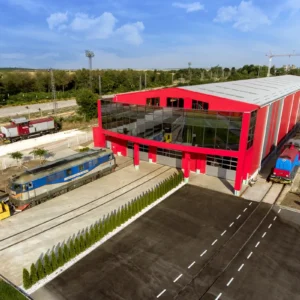
Smart train maintenance planning at NS service centers
The trial was based on a simple idea. Minor repairs are no longer carried out on the days when passenger demand is highest, mainly Tuesdays and Thursdays. Instead, non-essential work is moved to quieter periods, including Wednesdays, Fridays, Mondays, and weekends. Also, NS plans to introduce this train maintenance planning method at more service locations after positive results.
Don’t miss…Portal North Bridge opens first track for service
The company says the aim is to reduce costs. In addition, it wants to improve the chances of having enough trains available when demand is strongest. Minor repairs are handled at NS service centers. Meanwhile, the operator began changing the way this work is scheduled last year.
Previously, these jobs were carried out every day. Under the revised system, they are avoided as much as possible on Tuesdays and Thursdays. NS describes those days as the busiest commuter days, particularly since working from home has become more common.
Before any work is delayed, each maintenance report is checked to determine whether the issue can safely wait. For example, a minor defect such as damaged upholstery may sometimes be postponed until the following day. A passenger information display that is not working properly may also wait. Still, more urgent faults take priority, including air conditioning problems during hot weather.
By planning repairs this way, NS can reduce the number of reserve trains it needs. At the same time, it says this can be done without making onboard crowding worse.
Backup trains reduction and ICMm trains
NS says the outcome of the new method has been favorable. Also, it now expects to extend it to additional sites. The operator believes it can save money without trains becoming more crowded. In addition, fewer backup units will be needed to maintain the same timetable.
This also affects the ICMm trains, known as Koplopers. They may leave the fleet sooner. Still, they will remain available for now as an emergency reserve.
Train length adjustments during disruptions
During March, NS is also running a separate test focused on train length. Separately, the purpose is to determine whether changing train formations can help reduce the number of unexpectedly crowded services caused by disruptions. The Dutch rail infrastructure is facing a growing number of such disruptions. In 2025, there were as much as 30% more construction projects than in earlier years, according to the NS vervoerplan 2025.
When disruptions occur, both short and long train formations can be affected. This can leave some services overcrowded and others underused. As NS notes, the operator is running trains more often in fixed formations. For example, long trains are being reduced from 10 cars to 8. Shorter trains are being increased from 6 cars to 8.
According to NS, this should reduce the risk of a train being too short when disruptions occur. Meanwhile, the test is intended to show whether that approach delivers the expected result.
News on railway transport, industry, and railway technologies from Railway Supply that you might have missed: