ScotRail’s First July Without Peak Fares Had a Games in It
20.08.2026
UK: ScotRail recorded 8,423,512 passenger journeys in July, 897,359 more than in the same month last year — an 11.9% rise during the Commonwealth Games and the first July since peak fares were permanently abolished.
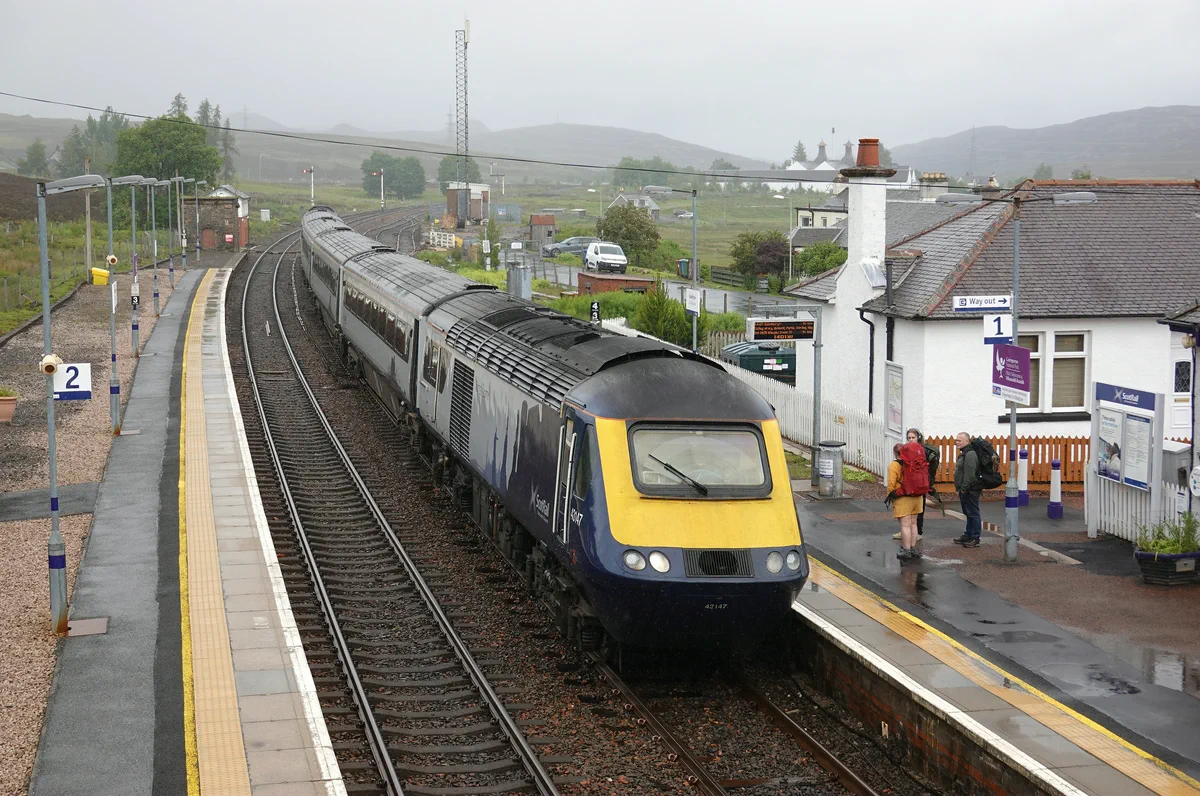
ScotRail attributes the increase to a packed programme of major events and what it describes as great-value fares. Peak fares were permanently removed on 1 September 2025, while a separate network-wide fare freeze is scheduled to last until March 2027.
Don’t miss… What the London Charing Cross Closure Delivered
Nine of the eleven Games days fell inside July
The Commonwealth Games ran from July 23 to Aug. 2, meaning that nine of their eleven calendar days fell within ScotRail’s July reporting period.
ScotRail ran more and longer trains for the Games, adding more than 1,400 extra carriages to services carrying spectators, volunteers and staff to venues around Glasgow. Concerts and festivals ran in parallel, including events at Murrayfield in Edinburgh.
Between Sunday, July 26 and Saturday, Aug. 1, ScotRail recorded more than 2.1 million journeys, its busiest seven-day period since returning to public ownership in April 2022. July 26 was then its busiest Sunday since public ownership; that record was surpassed on Aug. 2, when 212,000 journeys were recorded.
| Period | Journeys | Change |
|---|---|---|
| July 2026 | 8,423,512 | +897,359, or 11.9% |
| July 2025 | 7,526,153 | — |
| June 2026 reporting period | 7,069,000 | +378,000, about 6% |
| July 26 – Aug. 1, 2026 | Over 2,100,000 | Record since April 2022 |
The year-on-year rates can be placed alongside one another — about 6% in June and 11.9% in July — but they are not identical measures. ScotRail describes June as a four-week reporting period, while the July total covers 31 calendar days.
What the fares evidence actually shows
Peak fares were first removed as a pilot between October 2023 and September 2024. Transport Scotland’s original evaluation estimated that the pilot increased demand by between 2.4% and 6.8%, depending on the counterfactual used. Under its preferred scenario, that represented around 4 million additional journeys over nine months, including about 2 million journeys that would otherwise have been made by car.
The department concluded that the pilot showed a limited degree of success but did not produce a significant overall shift from car to rail. The pilot ended in September 2024, before peak fares were permanently abolished from 1 September 2025.
A later business case, updated with data through April 2025, revised the modelled pilot effect to 2.67–5.59%. A separate ScotRail-commissioned estimate used in the same document put the journey increase at about 4.7%.
These estimates provide context for the July result, but they do not divide the 11.9% increase between fares and the Commonwealth Games. The models and the July comparison cover different periods, baselines and operating conditions.
What July 2027 can and cannot show
The two influences will not separate cleanly next year. The Commonwealth Games will not recur, and the permanent removal of peak fares will remain, but the separate network-wide fare freeze is scheduled to end in March 2027.
A July 2027 comparison could show how much traffic ScotRail retains against an exceptional Games-boosted base. It would not measure the fare policy on its own, because fare levels, the events calendar, train services, tourism and wider travel demand may all be different.
News on railway transport, industry, and railway technologies from Railway Supply that you might have missed:
Don’t miss… Virgin Clears Another Hurdle in Eurostar Challenge