SEPTA Fiscal Year 2027 budget avoids fare hikes
03.07.2026
SEPTA Fiscal Year 2027 budget has been adopted at $2.7 billion, and the transit authority approved the spending plan without raising fares.
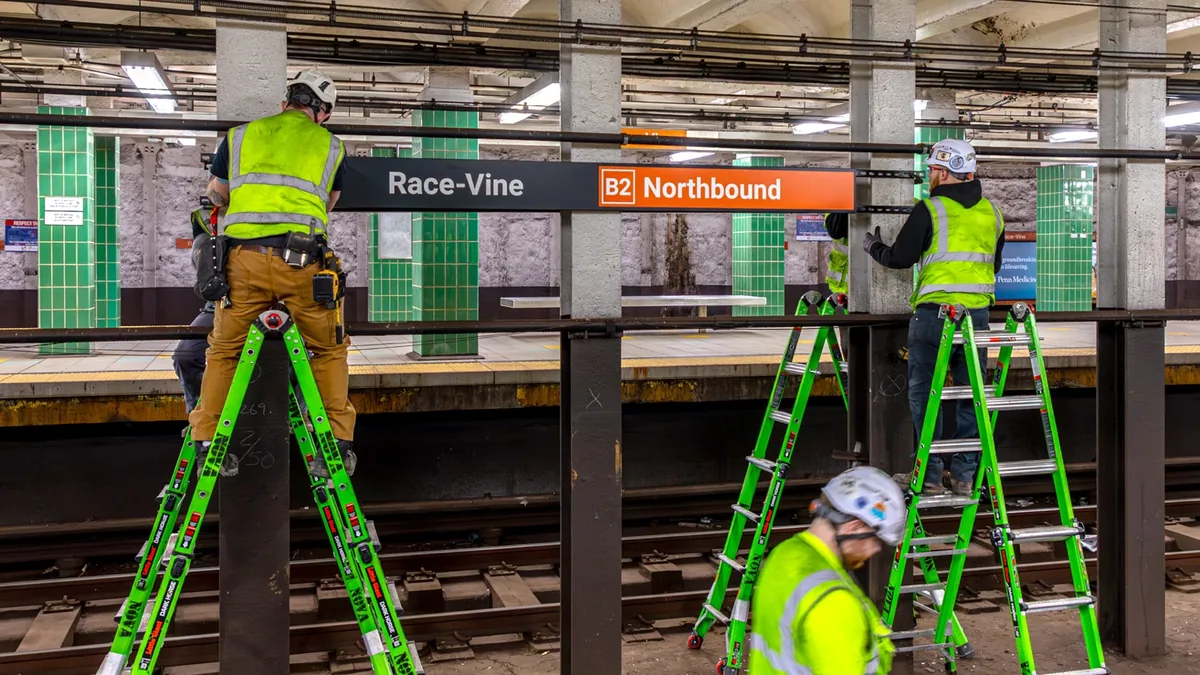
The SEPTA Board approved the budget last week. According to the authority, overall spending will rise by 1.9 percent from the current year, while service levels will remain unchanged.
SEPTA Fiscal Year 2027 budget allocations
The plan provides $1.84 billion for operations and $920.7 million for capital spending. The approved workforce level is 9,996 employees, 53 fewer than in the previous budget.
The budget also includes customer-facing investments such as new buses, more full-length fare gates, and infrastructure upgrades. However, SEPTA officials have said the agency still faces an uncertain long-term outlook unless Pennsylvania provides a permanent funding solution from the state.
Don’t miss…Sydney Tram Near Misses Raise Light Rail Safety Warning
PennDOT transfer supports operations
For operations, the approved budget depends on the second and final year of a $394 million transfer of capital funds authorized by PennDOT. That temporary measure followed a closely watched dispute over SEPTA funding, which ended last year when Democratic Gov. Josh Shapiro approved the use of PennDOT money for public transportation while warning that a longer-term answer was still needed.
SEPTA Board Chair Kenneth Lawrence Jr., a former Montgomery County commissioner, said in a statement that “SEPTA continues to demonstrate meaningful progress in safety, reliability, cleanliness, ridership recovery, and fiscal discipline,” and that “The budget we approved today reflects SEPTA’s ability to be good stewards of taxpayer dollars and worthy of stable, dedicated funding.”
Structural budget deficit narrows
The authority said it has cut almost $30 million from annual costs through continuing austerity measures. It has also increased revenue from advertising, parking, and investments.
Those measures helped reduce SEPTA’s structural budget deficit from $213 million to $192 million, according to the agency.
“The progress we have made over the past year demonstrates how SEPTA is delivering for its riders and the communities we serve, and this budget creates the foundation for SEPTA’s future,” SEPTA General Manager Scott Sauer said.
News on railway transport, industry, and railway technologies from Railway Supply that you might have missed: