Berlin S-Bahn procurement clears path for fleet award
03.07.2026
Berlin S-Bahn procurement can move to contract award after Alstom chose not to challenge the ruling of the Public Procurement Tribunal before the Berlin Higher Regional Court. The company has accepted the decision, clearing the way for the contract to go to the consortium of Siemens, Stadler and Deutsche Bahn.
Berlin S-Bahn procurement covers trains and operations
The package covers at least 1,400 S-Bahn vehicles, 30 years of maintenance, and 15 years of operation on the Stadtbahn and North–South networks. With an estimated value of around €15 billion, it is described as the largest public transport procurement ever carried out in the Berlin–Brandenburg region.
The tender was opened in 2020 after Berlin’s S-Bahn system had faced an operational and fleet reliability crisis. Its aim was to secure better long-term train availability and improve operating performance through a competitive procurement process.
Competition remained limited. Apart from the consortium now set to receive the contract, Alstom was the only other bidder. Changes to the tender requirements also led to 24 extensions of the submission deadline and created considerable extra costs for the participants.
Don’t miss…Sydney Tram Near Misses Raise Light Rail Safety Warning
New S-Bahn fleet timeline shifts beyond 2031
With the procurement process now concluded, planning for fleet renewal and future operations can proceed with more certainty. The original schedule expected the first vehicles to be delivered in 2023, but current expectations indicate that the new fleet will not begin entering service before 2031. Full deployment is expected to continue until 2033.
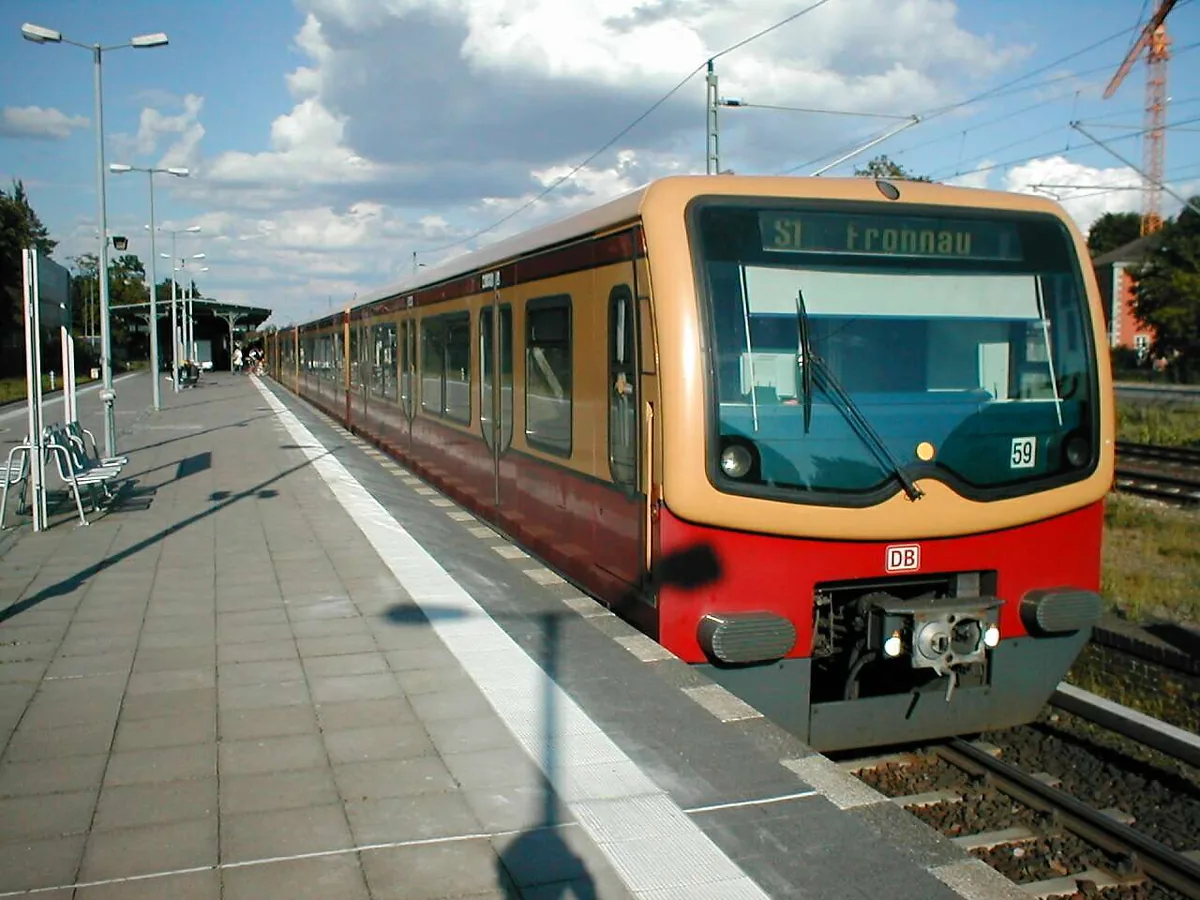
Until then, Berlin’s existing S-Bahn trains will have to remain in use. Extensive refurbishment work will therefore be required on Classes 480 and 481/482, including the replacement of safety-critical cabling systems. During these programmes, lower fleet availability could lead to temporary reductions in service.
The SBSNS-II tender is broader than a rolling stock purchase. VBB describes it as a procedure for the North–South and Stadtbahn subnetworks that combines new vehicle delivery, maintenance and provision with scheduled operation of services. This helps explain why the end of the legal challenge matters for both fleet renewal and future service planning.
Berlin’s transport administration said the review procedure appeared to be over after the Public Procurement Tribunal rejected the application on 12 June 2026 and Alstom confirmed it would not file a complaint before the appeal deadline. The contract can therefore move toward award, while procurement of the new S-Bahn vehicles is set to begin.
Interim agreement to maintain S-Bahn services
S-Bahn Berlin GmbH also plans to conclude an interim operating agreement with the federal states of Berlin and Brandenburg. The agreement is intended to keep services running on the affected networks until the new fleet has been fully introduced, while allowing the current rolling stock to undergo the necessary life-extension and modernisation work.
News on railway transport, industry, and railway technologies from Railway Supply that you might have missed: