Renfe summer train seats exceed 21.6 million
03.07.2026
Renfe summer train seats will exceed 21.6 million for the 2026 season, covering journeys from June 30 to September 15 across high-speed, long-distance, regional and international services.
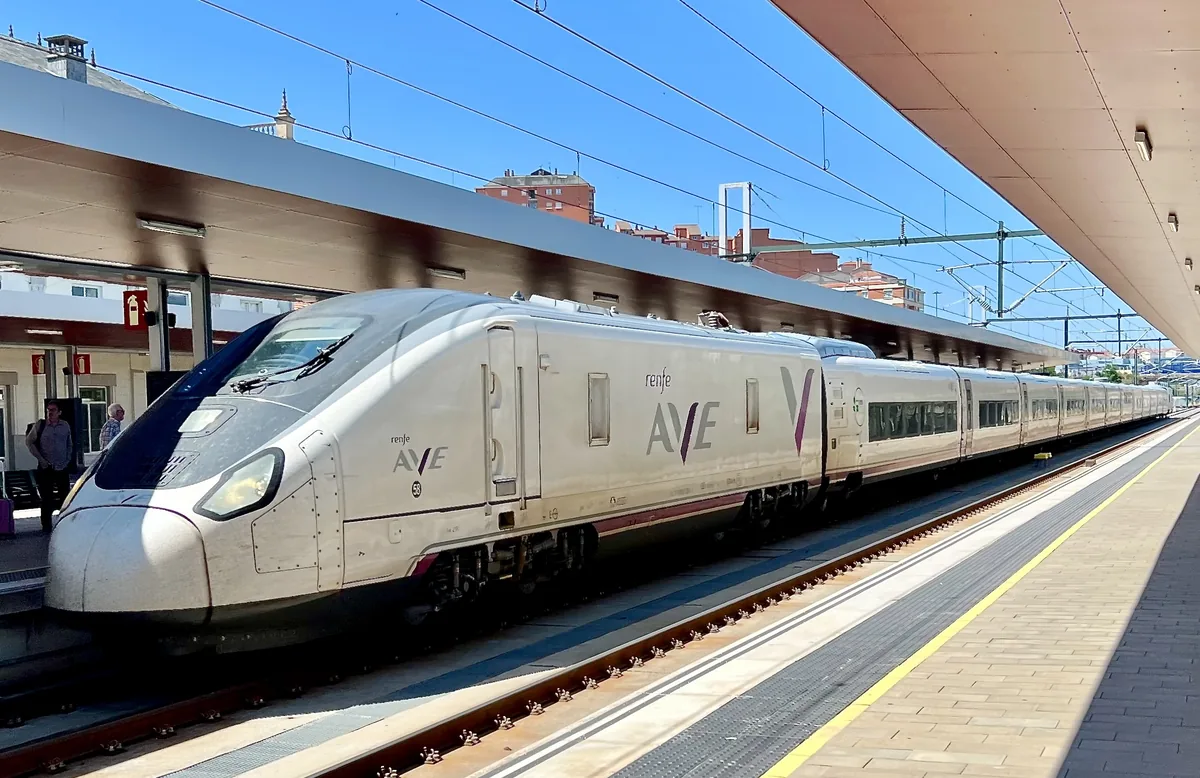
The Spanish state-owned operator said the summer offer is intended to respond to higher demand during the holiday period. Seats will be available on AVE, Avlo, Alvia, Euromed, Intercity, Avant, Media Distancia and AVE Internacional trains.
Renfe summer train seats across main services
On commercial high-speed and long-distance services, Renfe will add more than 100,000 seats compared with the previous year. Across Spain’s main rail corridors, these services will provide more than 8.9 million seats in total.
The company lists Valencia, the north of the Iberian Peninsula and Andalusia as the most sought-after destinations for summer 2026.
In the southern corridor, Renfe plans around 635,000 seats for Málaga services and approximately 552,000 for Seville. The Madrid–Alicante route will also have a large summer offer, with more than 410,000 seats available.
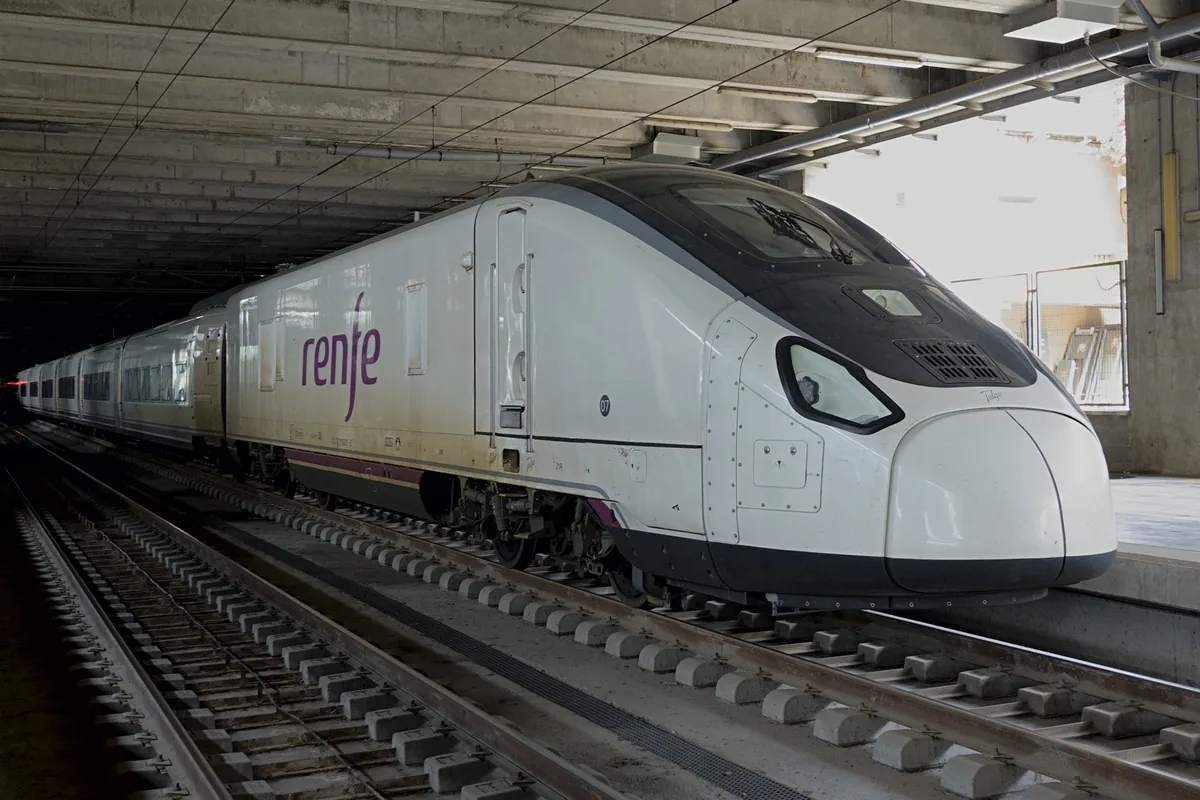
Services to A Coruña in northwestern Spain will provide almost 382,000 seats. Renfe said this capacity is supported by 106 series trains, which have the highest capacity among its long-distance services.
Regional trains in Spain add nearly 12.8 million seats
Renfe will also offer nearly 12.8 million seats on public-service regional and interregional trains. This part of the summer programme includes Avant and Media Distancia services across Spain, with Cercanías and Rodalies commuter trains added to the wider offer.
Avant, Renfe’s medium-distance high-speed service, will account for more than 3 million summer seats. The most popular routes in this segment include Madrid–Segovia–Valladolid, Madrid–Toledo and Madrid–Puertollano.
Verano Joven discounts continue in 2026
The Verano Joven programme will continue in 2026, giving passengers aged 18 to 30 access to reduced fares between July 1 and September 30. The government-backed scheme is being offered for the fourth time.
Under the programme, young travellers receive a 50% discount on AVE and Avlo high-speed trains and on long-distance services, with the reduction capped at EUR 30 per ticket. The same 50% discount applies to Avant services, while other Media Distancia trains and metric-gauge lines offer reductions of up to 90%.
Passengers registered in the Más Renfe or Más Renfe Joven loyalty schemes can also receive one free journey if they make at least two trips under the promotion on AVE, Avlo or long-distance trains.
During the 2025 edition of Verano Joven, Renfe sold more than 4 million discounted youth tickets. That was 56.71% above the 2024 figure and represented an increase of more than 1.4 million tickets.
What will change for passengers?
For passengers using Verano Joven, the main practical step is registration before buying the first discounted ticket. The Ministry of Transport says eligible young travellers must register at least 24 hours before the first purchase and use a personal code when buying tickets. For Más Renfe and Más Renfe Joven members, the free-trip option is linked to completed eligible journeys: Renfe says one 100% discount code is issued for every two qualifying Verano Joven trips, with a maximum of two codes per customer and use available after the summer campaign.
Renfe highlights its role in Spain’s rail market
Renfe also underlines its position in Spain’s rail market, stating that it offers the broadest network of destinations and frequencies in the sector. The operator says its services help connect smaller towns with major urban centres.
The company further says it is the only operator that guarantees alternative transport arrangements when network disruptions occur, so passengers can still complete their journeys.