Wagon design policy in India opens to industries
03.07.2026
The wagon design policy in India will enter into force in July, allowing industries to develop wagons around their own transport requirements. The country hopes this will make rail more attractive and help shift more cargo onto the railway network.
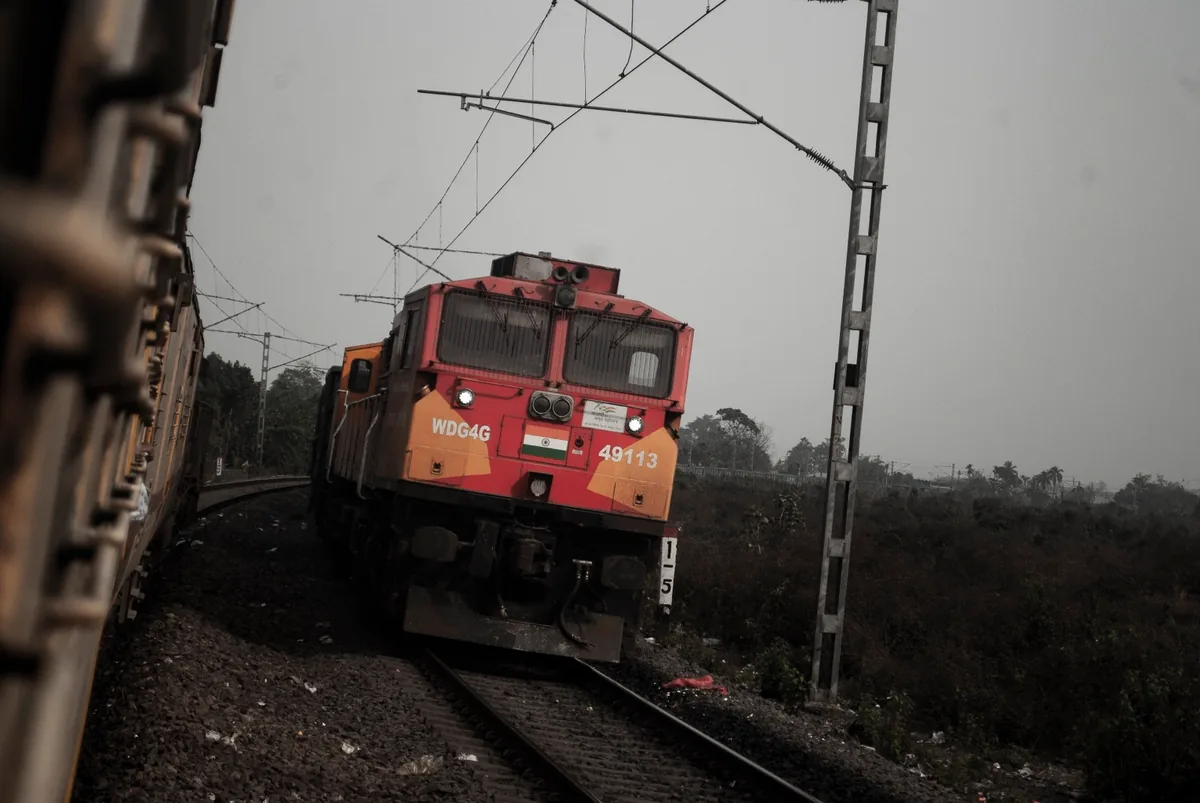
The policy is being introduced as Indian Railways moves close to full electrification across its network. According to the national rail ministry, wider use of rail transport can also reduce the country’s reliance on imported diesel.
Indian Railways is also looking at rolling stock as a way to bring more freight onto the tracks. Recent progress has already been made through “specialised wagons for commodities such as cement and salt”. That experience showed the importance of matching wagon design to the operational needs of specific industries.
Wagon design policy in India
From July, industries will be able to take a more direct role in this process. They will be permitted to “design wagons according to their specific requirements.” Safety oversight for wagons, however, will continue to be the responsibility of national authorities.
India expects commodity-specific wagons to improve the efficiency of loading, unloading and transport. The earlier examples of cement and salt wagons are cited as evidence of this approach.
Indian Railways freight transport
The Indian Ministry of Railways said the reform is intended to support both wagon innovation and freight growth.
“This reform will promote innovation in wagon development and strengthen the freight transport system of Indian Railways.”
“By providing commodity-specific transport solutions, Indian Railways aims to attract new freight streams, enhance customer convenience, and significantly increase the rail share in the national logistics sector.”
The policy fits into a wider Indian Railways freight agenda rather than standing alone. In the National Rail Plan, Indian Railways set a goal of increasing rail’s freight modal share to 45% through operational capacity and commercial policy measures, while also assessing wagon requirements for freight. The ministry’s wagon-policy release links the new rules to the same shift from road to rail, describing commodity-specific transport solutions as part of its Green Railways and Green Logistics approach.