Romania’s 16 Traxx Locomotives Face ETCS Service Risk
ROMANIA: Romania’s 16 new Alstom Traxx Passenger locomotives face a risk of being unable to enter regular passenger service because of a reported incompatibility between their onboard ETCS configuration and parts of the CFR network.
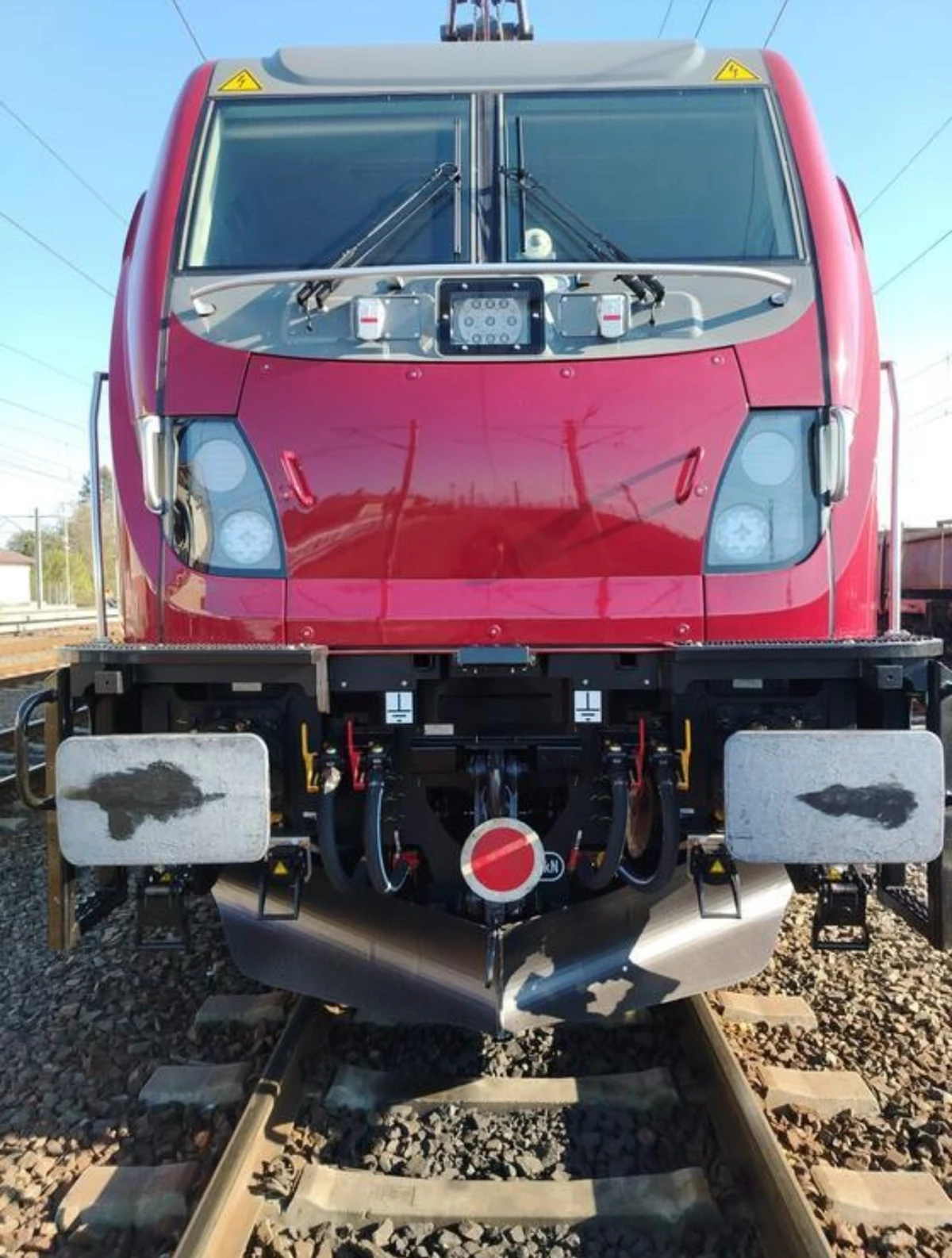
The warning comes while the fleet is still moving through acceptance. The supplied Aug. 11 report says five of the 16 units are in reception, with locomotives continuing to arrive. Alstom said in April that the first serial Traxx Passenger had completed the testing programme for market authorization, while fleet endurance testing would follow.
Don’t miss…BNSF Asks STB to Deny Amended UP-NS Merger Application
Pro Infrastructure Points to the ETCS-to-PZB Transition
Pro Infrastructure says the procurement accepted a configuration in which the onboard ETCS equipment can switch selectively and automatically into PZB mode, rather than requiring separate ETCS and PZB equipment. In the association’s account, that automatic transition does not work correctly with the current CFR infrastructure. A detailed Aug. 11 account attributes this technical diagnosis to the association.
The same account says that when a locomotive detects ETCS balises, its onboard equipment tries to communicate with the trackside signaling system. If that ground ETCS is not operating, the safety logic prevents normal continuation and the locomotive stops. The point is therefore not simply that the locomotive is new and the network is old, but how the onboard protection configuration behaves where ETCS equipment is present but not operational.
Pro Infrastructure argues that removing ETCS balises is not a viable long-term answer, particularly on sections where ETCS Level 2 is already installed. It says the signaling system should instead be put into operation. That remains the association’s proposed remedy; the supplied source does not establish that all 16 locomotives have been permanently barred from passenger use.
Passenger Entry Still Depends on Acceptance Steps
Acceptance has nevertheless been progressing. According to an Aug. 4 report based on an ARF update, LE08 had been handed to CFR Călători after a reception step for commercial passenger service, but its actual entry into traffic still depended on registration in the European Vehicle Register and inclusion in CFR Călători’s safety certificate.
LE10 and LE11 were at preliminary acceptance. Their ownership transfer was due only after 2,000 km of endurance testing and final acceptance for commercial service. The Aug. 11 source, meanwhile, described five locomotives as being in the reception process, showing that delivery, reception, registration and passenger operation remain separate stages.
For the approximately €90 million fleet, the immediate operational question is whether the reported ETCS/PZB compatibility issue can be resolved alongside those remaining acceptance and authorization steps. Until then, the source supports a risk to passenger deployment, not a conclusion that the entire fleet is unusable.
News on railway transport, industry, and railway technologies from Railway Supply that you might have missed: