High-speed rail procurement starts for Toronto–Québec line
11.03.2026
High-speed rail procurement is moving forward in Canada. Alto and its private development partner Cadence have started a phased market-sounding process. It covers the planned Toronto–Québec City line.

High-speed rail procurement enters market sounding
The first stage will focus on rolling stock and signalling systems. Also, the engagement is intended to inform manufacturers and suppliers about upcoming procurement opportunities. It is also meant to gather information on industry capacity and interest.
This process is part of the project’s development and pre-construction phase. Meanwhile, construction is currently expected to begin between 2029 and 2030. It follows earlier engagement with the steel sector. That work started in autumn 2025. In addition, Railway Supply previously covered that earlier step.
Alto and Cadence outline the next procurement steps
Representatives from Alto and Cadence plan to meet companies in Canada and other countries over the coming weeks. At the same time, those discussions will address possible technical requirements. They will also cover expected timelines and the structure of the procurement process. Separately, project organisers say the engagement should help companies prepare for future tenders.
Don’t miss…Chick-fil-A Supply distribution center Florida breaks ground in Winter Haven
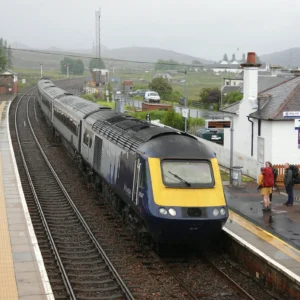
The consultations will examine trainset design for high-speed operation. For example, they will look at Canadian weather conditions. They will also cover seating configurations and accessibility measures.
Toronto and Québec City high-speed rail project scope
Alto’s planned network will run for about 1,000 kilometres between Toronto and Québec City. Still, the project remains in the planning stage. Trains are expected to reach speeds of 300 kilometres per hour or higher, according to Transport Canada. The route is intended to serve several major urban areas in central Canada.
Project estimates indicate that construction could generate more than 50,000 jobs. Also, around 5,000 positions could be linked to operations once the line enters service. Planning documents also indicate the railway could reduce travel times between cities along the corridor. In addition, they point to lower greenhouse gas emissions as some journeys shift from road and air to rail.
The rolling stock and signalling consultations are the first of several industry engagement activities scheduled for 2026.
News on railway transport, industry, and railway technologies from Railway Supply that you might have missed: