CPKC and IBEW Binding Arbitration Agreement Ends Strike
22.08.2026
Canada: CPKC and IBEW binding arbitration will end a strike by approximately 300 signals and communications employees that began May 31, the railway announced on August 21.
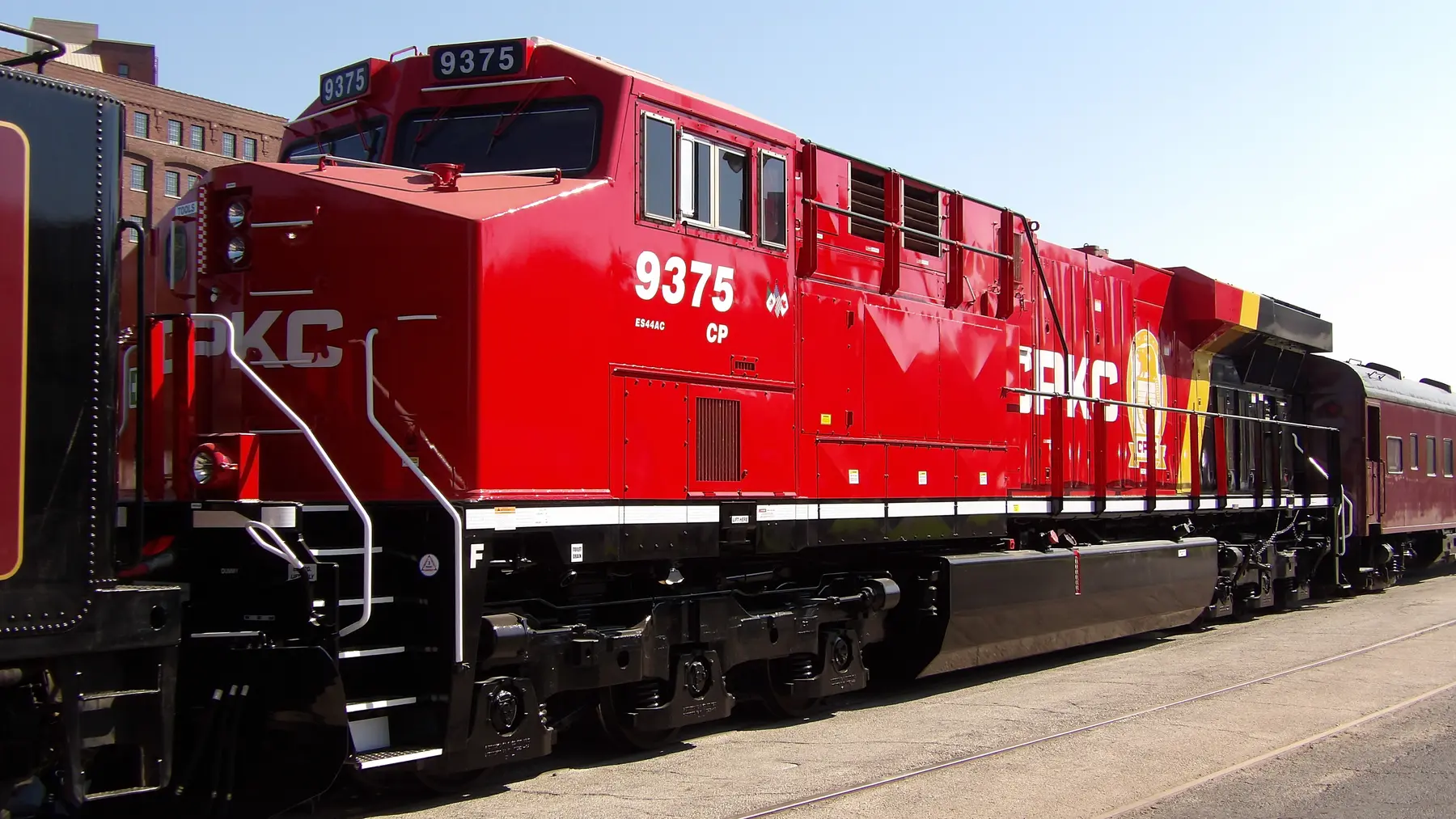
CPKC announced the agreement late on August 21, saying the IBEW Canadian Signals and Communications System Council No. 11 had accepted binding arbitration and that employees are expected back at work on Monday morning, August 24. No contemporaneous union statement confirming or explaining the agreement has been located, so the terms of the return described here rest on the company’s account.
May 31 to August 24 spans 85 calendar days between the start of the strike and the announced return to work. That figure describes the elapsed period rather than the formal duration of the work stoppage, since CPKC announced the agreement on August 21.
Don’t miss…NYC Subway Platform Barriers Covered 158 of 472 Stations
CPKC and IBEW binding arbitration terms remain undisclosed
The end of the strike does not mean the two sides reached terms. Binding arbitration produces a binding third-party decision on the matters the parties submit to the arbitrator, and CPKC has not disclosed which matters were submitted here. The company announced no new ratified collective agreement, and no wage or scheduling terms were made public.
CPKC has not named the arbitrator, published a timetable or hearing schedule, disclosed the scope and procedural terms of the arbitration, or set out a deadline for an award. Those elements remain unknown at the time of the announcement.
What the parties were arguing about
According to IBEW’s July 7 account of the dispute, bargaining broke down over compensation, expenses, work schedules, on-call obligations, and recruitment and retention. These are the union’s stated positions, not independently adjudicated findings.
CPKC’s position has been consistent since the walkout began: in its May 31 release, the company said it had advocated binding arbitration from the start of the stoppage and that its contingency plans kept Canadian rail operations running. The company therefore does not present the return to work as a restoration of service.
An early test of the replacement-worker rules
The dispute carries significance beyond the two parties. IBEW characterized it as a significant early test of Bill C-58, the federal measure restricting the use of replacement workers during legal strikes and lockouts in federally regulated workplaces.
The union reported that it succeeded in an initial replacement-worker complaint against CPKC, while describing the ruling as narrowly limited to the named location and contractor. The text of the Canada Industrial Relations Board decision has not been located, and the account of the outcome comes from the union.
Next steps after CPKC and IBEW binding arbitration
The immediate step is the return to work on Monday, August 24, as announced by the company. The subjects IBEW identified as the origin of the dispute — pay, expenses, scheduling and on-call obligations — were the issues in bargaining before the strike; whether any of them fall within the arbitration is not something either party has made public. The arbitrator’s identity, mandate and timetable are likewise undisclosed.
News on railway transport, industry, and railway technologies from Railway Supply that you might have missed:
Don’t miss…Lewes Derailment: the Track Fault Was Already on CCTV