Camp de Tarragona tramway gains SYSTRA contracts
29.06.2026
Camp de Tarragona tramway delivery will receive support from SYSTRA Ardanuy, which has secured two contracts for the first phase of the future network in Catalonia.
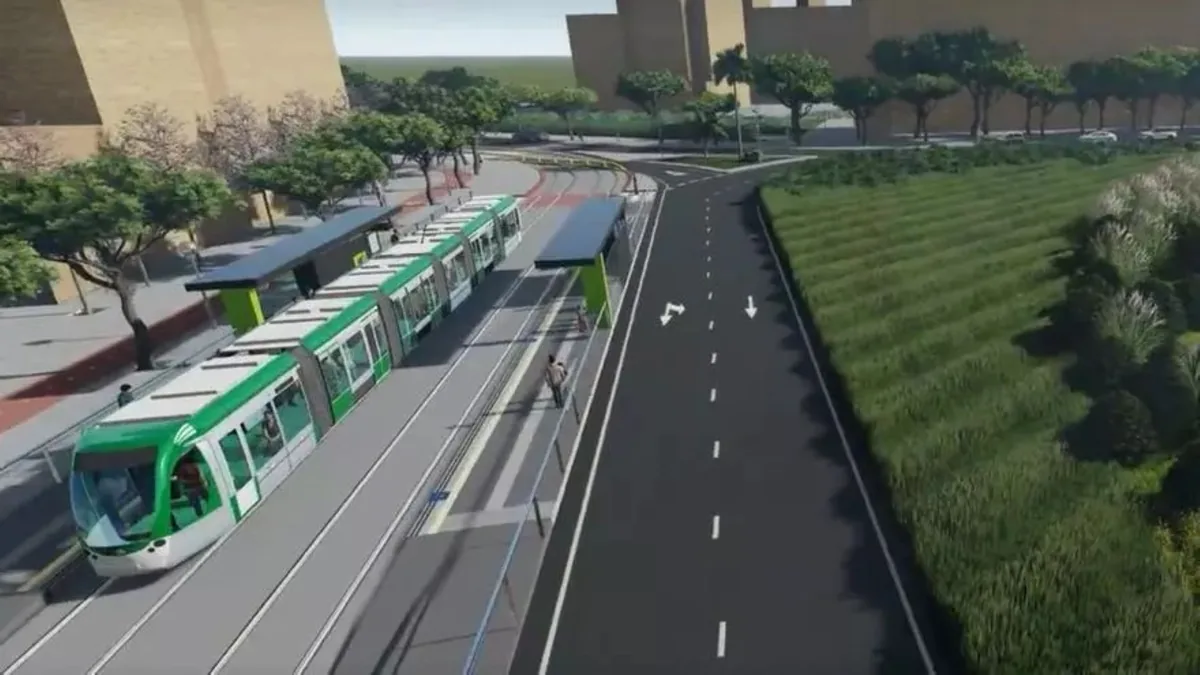
The contracts cover separate parts of the same first-phase programme, from construction management to systems integration before commercial service.
The new network will be operated by Ferrocarrils de la Generalitat de Catalunya, the Catalan railway operator. It is intended to improve connections between several important local hubs while adding a sustainable transport option for the area.
Camp de Tarragona tramway route and operator
The initial phase will run for around 14km, linking Cambrils Centre with Vila-seca Estació via Salou. Part of the route will reuse the former coastal railway corridor.
One contract will be delivered by SYSTRA in consortium with TYPSA. It covers construction management, including supervision of work execution, schedule monitoring, coordination with ADIF, municipalities and utility companies, and oversight of civil, railway and tramway works through testing and final validation.
Construction management and systems integration
The second contract will be carried out in consortium with META, part of Quadrante. It covers Systems Integration Technical Assistance, with SYSTRA responsible for helping ensure that the tramway’s subsystems work together coherently before commercial service begins. These include infrastructure, power, signalling, telecommunications, passenger equipment, safety and operations.
Joan Serrano, Vice-President of SYSTRA Ibérica, said:
“The Camp de Tarragona tramway is a structuring project for mobility in southern Catalonia. Its success will rely on the ability to coordinate complex works, sensitive railway interfaces and the integration of all systems required for operation.”
“These two contracts illustrate SYSTRA’s added value on tramway projects where an end-to-end vision, from works through to commissioning.”
Works in a constrained environment
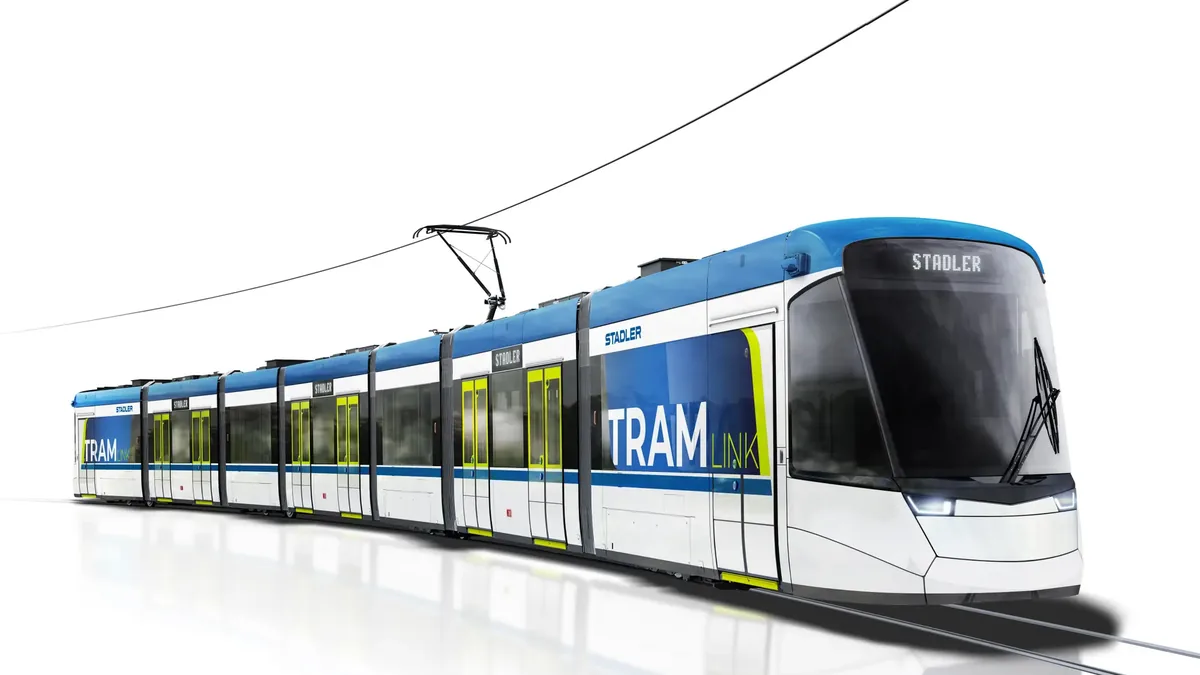
The works are to be delivered in a constrained environment. The scope includes major utility diversions, interventions beneath the AP-7 motorway and existing railway lines, along with the implementation of a complete tramway system. This will include slab track, electrification, overhead contact line, signalling, supervision, passenger information and communications.
Context
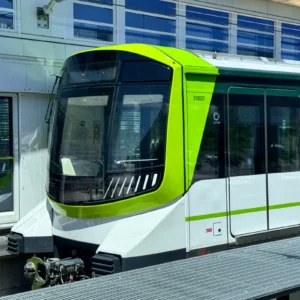
The contracts form part of a wider tramway programme for Camp de Tarragona. Generalitat de Catalunya describes the full project as a 46km network with 47 stations and 10 interchanges, while the first phase between Cambrils, Salou and Vila-seca is planned with 14km, 14 stations and 3 interchanges. The same official project information puts first-phase investment at €245m and says FGC will acquire seven electric trams for €38.5m, each with capacity for 210 passengers. Service entry for the first phase is planned for the first quarter of 2028, with initial demand estimated at 9.5m annual journeys.
SYSTRA Ardanuy was also involved at an earlier stage of the project. Between 2016 and 2018, the company carried out preliminary studies when the scheme was still being developed as a tram-train concept, before it later evolved into a full tramway system.