BTP Expands Facial Recognition Pilot to London Underground
UK: British Transport Police has expanded its Live Facial Recognition pilot to selected London Underground stations, extending a trial that began at London rail hubs in February and is now due to run until November.
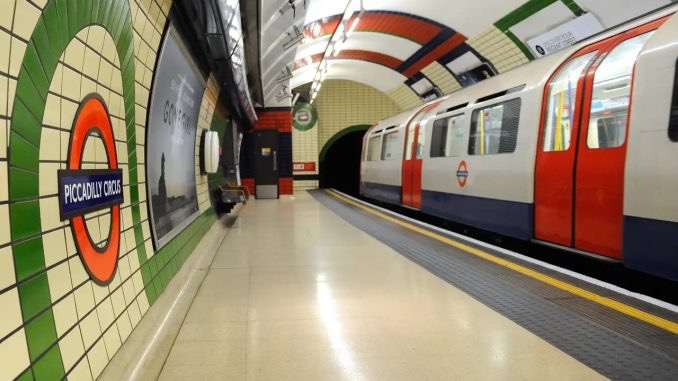
BTP named Victoria station for the first Underground deployment, scheduled for 11 August. At the time checked, BTP’s public deployment register listed operations through 17 July and did not yet show an outcome for the Victoria Underground deployment. BTP’s Live Facial Recognition programme says future locations will be selected using operational intelligence and crime data, with temporary cameras placed on station concourses rather than installed as a permanent network-wide system.
Victoria Is the First Named Underground Deployment
The Underground phase builds on a BTP pilot that started on 11 February at selected London railway hubs. The force says the programme was expanded to selected Transport for London Underground stations in August and will continue until November.
Before each deployment, BTP says it will publish the location and date online. Recognition zones are to be clearly signposted, and passengers who do not want to pass through them can use an alternative route.
The system compares faces captured in the monitored area with an authorised watchlist. The supplied source says the list can include people wanted by police or the courts in connection with serious offences, including sexual assaults, robberies and offences involving bladed weapons.
Don’t miss…Pacific National Derailment Follows 90 km/h Runaway
Cameras Are Temporary and Deployments Are Intelligence-Led
BTP describes the deployments as intelligence-led and targeted at crime hotspots where data indicates that high-harm offenders may pass through. Its current system uses NEC NeoFace M40 software, with cameras temporarily positioned in station concourses.
That operating model is important to the scope of the trial: the technology is not described as continuously scanning the entire Underground network. Each deployment is a separate operation with its own location, public signage and policing team.
A Match Alert Still Requires Human Review
An automated possible match does not itself determine police action. BTP says an officer compares the camera image with the person seen at the location and decides whether to engage. BTP’s pilot FAQ adds that two levels of human adjudication take place before any engagement, after which officers may use standard policing powers to confirm identity.
For data handling, BTP says images and biometric data that do not trigger an alert are deleted automatically and immediately. Images linked to alerts are deleted after use or within 24 hours, while CCTV footage used by the LFR cameras is retained for 31 days.
TfL and BTP will assess the pilot before deciding how Live Facial Recognition might be used in the future. The programme remains a trial rather than a permanent London Underground deployment.
News on railway transport, industry, and railway technologies from Railway Supply that you might have missed: