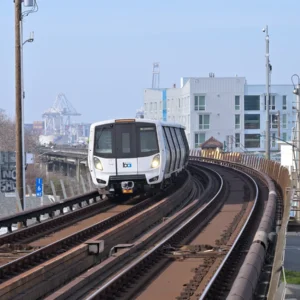
BART ridership reaches post-pandemic record in June
BART ridership reached its strongest post-pandemic level in June 2026 as World Cup matches, San Francisco Pride, and major regional events reshaped travel across the Bay Area.
BART ridership sets new June benchmarks
BART reported that June passenger traffic was 18.6% higher than in June 2025, closing Fiscal Year 2026 with a series of post-pandemic records. BART recorded 59.5 million exits during the fiscal year, a 13% increase from the previous year.
According to BART’s June ridership snapshot, average weekday traffic reached 209,963 exits. The highest single day was Tuesday, June 9, when the system handled 236,785 trips. The five busiest post-pandemic days all occurred during the month. The monthly figures are preliminary, unaudited, and subject to restatement.
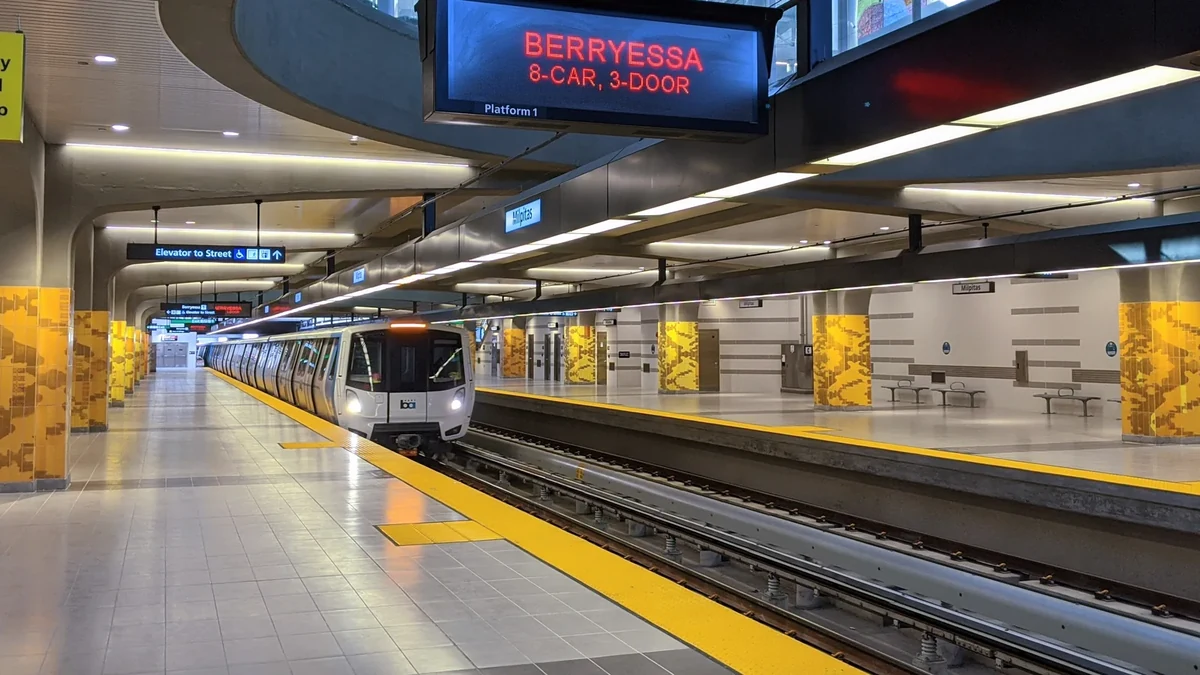
World Cup matches at Levi’s Stadium were a major contributor. Milpitas Station, where passengers can transfer to VTA light rail for the stadium, posted a 50% year-on-year increase in monthly ridership. On match days, traffic at the station rose by more than 130%. San Francisco International Airport Station also recorded a 30.2% increase compared with June 2025.
Don’t miss…Metra Security Drones Expand Rail Safety Monitoring
BART ridership rises during Pride weekend
San Francisco Pride produced the strongest weekend results since the pandemic. BART counted 158,944 exits on Saturday and 171,342 on Sunday, when the Pride Parade took place. Sunday traffic was about 30,000 trips, or 24%, higher than during Pride Sunday in 2025.
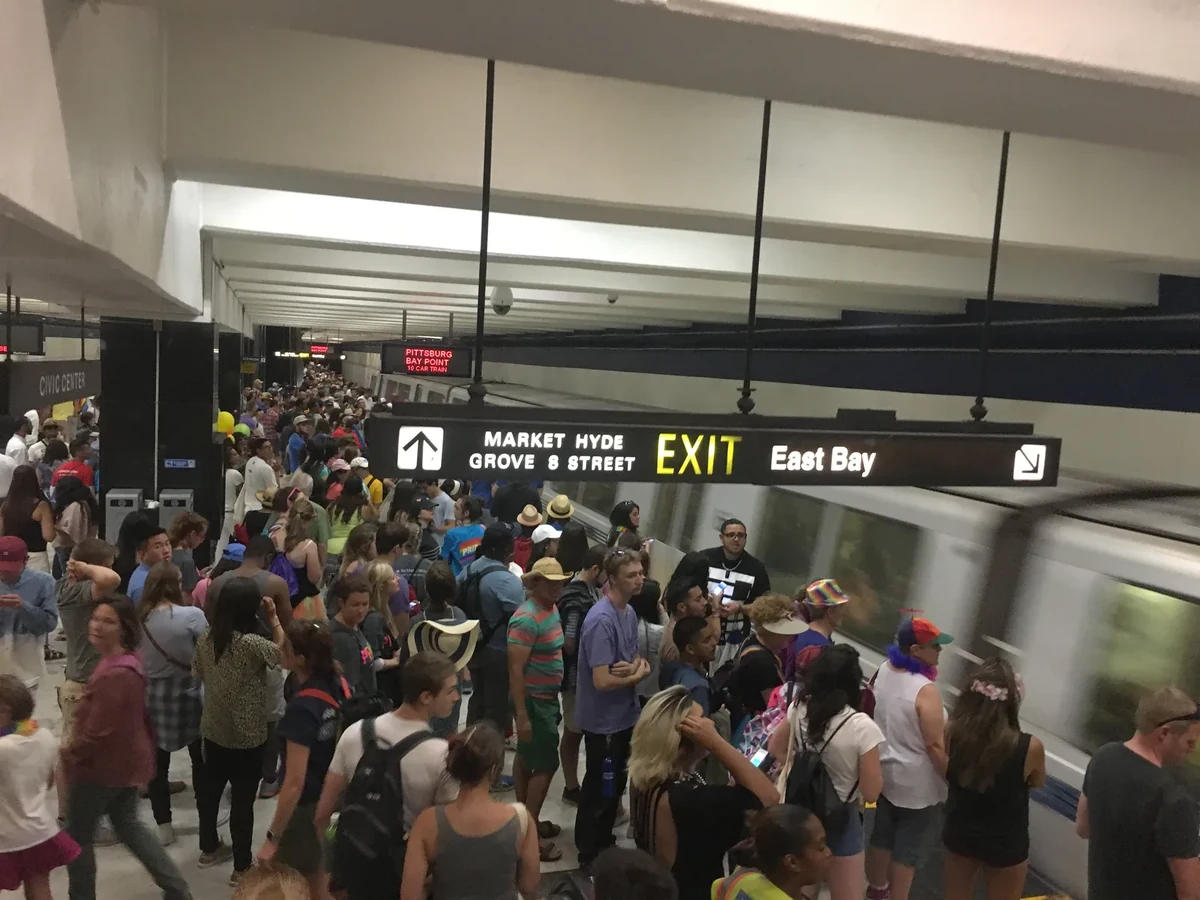
The figures highlight BART’s expanding role beyond the traditional weekday commute. Sporting events, concerts, festivals, airport travel, and other regional attractions are increasingly supporting demand as remote and hybrid work continue to affect commuting patterns.
However, the ridership recovery does not resolve the operator’s financial difficulties. BART’s financial deficit information shows a structural annual shortfall of $350 million to $400 million. The agency balanced its FY26 budget with $35 million in ongoing cuts and cost controls, while the projected FY27 deficit stands at $376 million.
BART is pursuing further savings and new operating revenue, but passenger growth alone cannot sustain current service levels. The June results nevertheless demonstrate how major events can generate substantial demand and strengthen public transport’s role in moving large crowds across the Bay Area.
News on railway transport, industry, and railway technologies from Railway Supply that you might have missed: