BART Schedule Change Revises Train Service and Transfers
14.07.2026
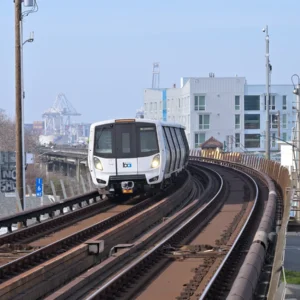
The BART schedule change will take effect on August 10, 2026, combining operational changes that will improve reliability with more consistent train spacing and shorter waits for some passengers.
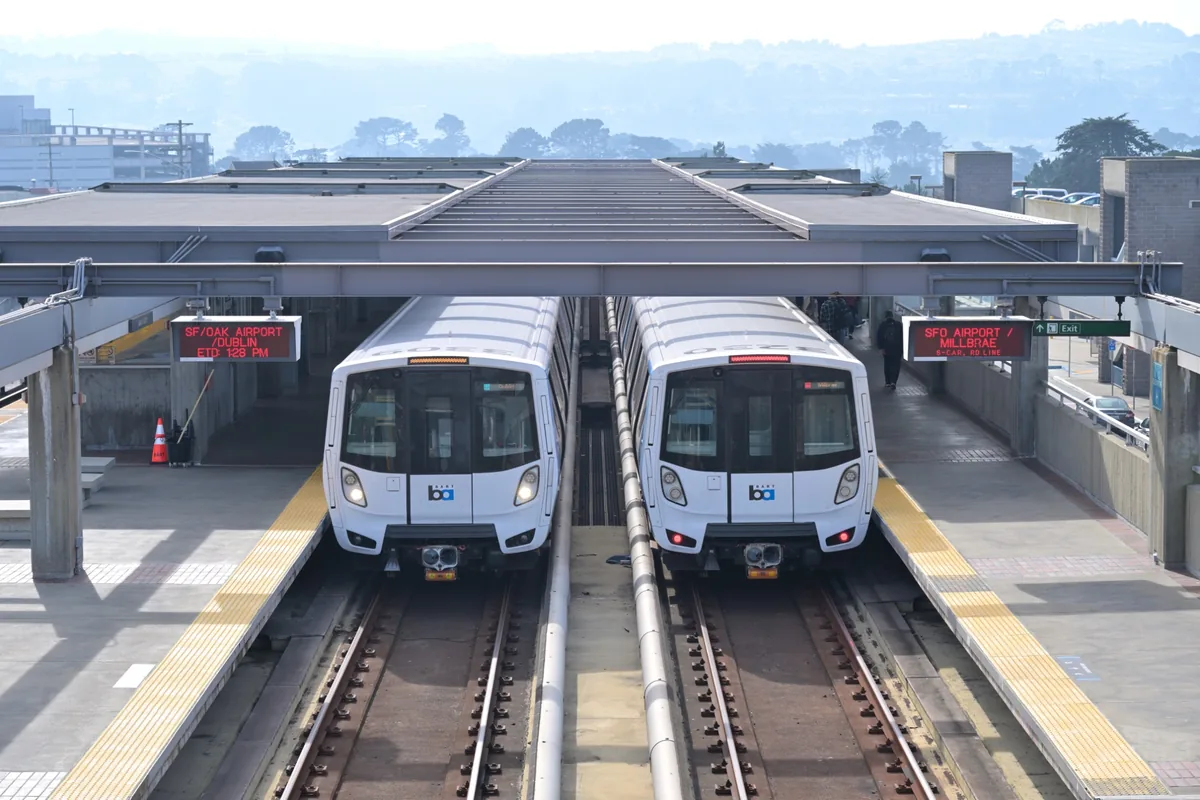
Several departure times will also shift by a few minutes, so riders are advised to review the new timetable before it takes effect.
A central part of the plan involves changing train movements at Daly City Station. Operating the station with a center-platform arrangement will help reduce congestion, provide more regular headways and support better transfers across the network.
Longer trains in the BART schedule change
Longer BART trains will begin operating before the timetable change. Starting Monday, July 20, BART will increase train lengths on selected peak-hour services on the Red, Yellow, Blue and Green lines. Some shorter formations will be used outside peak periods and on the Orange Line.
On the Red Line, peak-period services will use 10-car trains instead of the current eight- and six-car formations. Non-peak trains will have five cars rather than the present six.
Eight of the busiest Yellow Line morning services and six of the busiest afternoon services will increase from nine to 10 cars during peak periods.
Two more morning Green Line trains travelling toward San Francisco will operate with eight cars. Four services already use eight-car formations, while the rest have six cars.
The Blue Line will gain one additional eight-car afternoon train toward the East Bay. Four Blue Line trains currently have eight cars, with six-car formations used for the remaining services.
Four Orange Line services will be shortened to five cars, while the rest will continue to use six-car formations. These revised train lengths will remain in place when the BART schedule change takes effect on August 10.
Don’t miss…Merseyrail Public Ownership Proposed When Contract Ends
More even train spacing and shorter transfers
Passengers travelling from San Francisco toward Berkeley, El Cerrito and Richmond will receive more evenly distributed service. Yellow and Red Line trains will be spaced 10 minutes apart, replacing the current pattern of five- and 15-minute gaps.
Riders will be able either to board a Yellow Line train and change at 19th Street/Oakland for a Richmond-bound Orange Line service or take a direct Red Line train. The revised spacing will distribute passengers more evenly across trains in San Francisco and reduce crowding.
Intervals between Green and Blue Line services for Dublin- and Berryessa-bound passengers will also change, with the existing pattern of three- and 17-minute gaps becoming eight and 12 minutes.
Some passengers in San Francisco currently wait 17 minutes between trains travelling toward Bay Fair, contributing to congestion on platforms and aboard trains. Under the new schedule, the maximum wait will fall to 12 minutes.
Several connections will be adjusted to provide shorter transfer times. At Bay Fair, passengers travelling between Dublin on the Blue Line and Berryessa on the Orange Line will receive a new cross-platform connection in both directions.
The change will improve journeys between Dublin and San Jose, including trips by passengers commuting from the Altamont Pass. The transfer currently takes 19 minutes, but the connecting trains will be scheduled to arrive together.
Passengers arriving from Antioch on the Yellow Line and transferring toward Berkeley, El Cerrito or Richmond via the Orange or Red lines will save 17 minutes. A new four-minute connection at MacArthur will take riders from Platform 4 to Platform 1.
Connections between the Yellow Line and BART to Antioch services will also be revised at the Pittsburg transfer platform. Regular Antioch-bound Yellow Line trains are often delayed while waiting at 19th Street/Oakland for an Orange Line service.
This causes delays to compound farther along the Yellow Line and affects passengers transferring to or from a DMU train. Under the revised timetable, the Orange Line service will arrive earlier, helping the Yellow Line maintain better on-time performance and improving the timed connection at Pittsburg.
Daly City and SFO operations
Train movements at SFO Station will be adjusted to reduce uncertainty over which service will depart first. Red and Yellow Line trains entering and leaving the station will be spaced more effectively.
Under the current arrangement, a city- and East Bay-bound Yellow Line train reaches the platform first but remains there longer while train operators change. A Red Line service from Millbrae can then make a shorter stop and leave ahead of it, confusing passengers who boarded the Yellow Line expecting it to depart first.
The new timetable will reduce how often Red and Yellow Line trains are available for boarding at SFO Station at the same time.
The BART schedule change is cost neutral and results from train-movement efficiencies developed by BART’s Operations Planning Department. Daly City Station’s existing configuration, together with the placement and use of track switches north of the platforms, can create a bottleneck.
Congestion and service instability at this location can produce delays elsewhere in the system. Changing the way trains enter and leave Daly City will make the wider network more resilient.
Daly City will operate as a center-platform station, matching the arrangement used at other San Francisco stations. All trains heading toward San Francisco will leave from a single platform, making boarding simpler for passengers.
Platform 3 will become the terminal for the Blue and Green lines. Passengers will use it only to leave trains terminating at Daly City, after which those services will go out of service and proceed to the nearby yard.
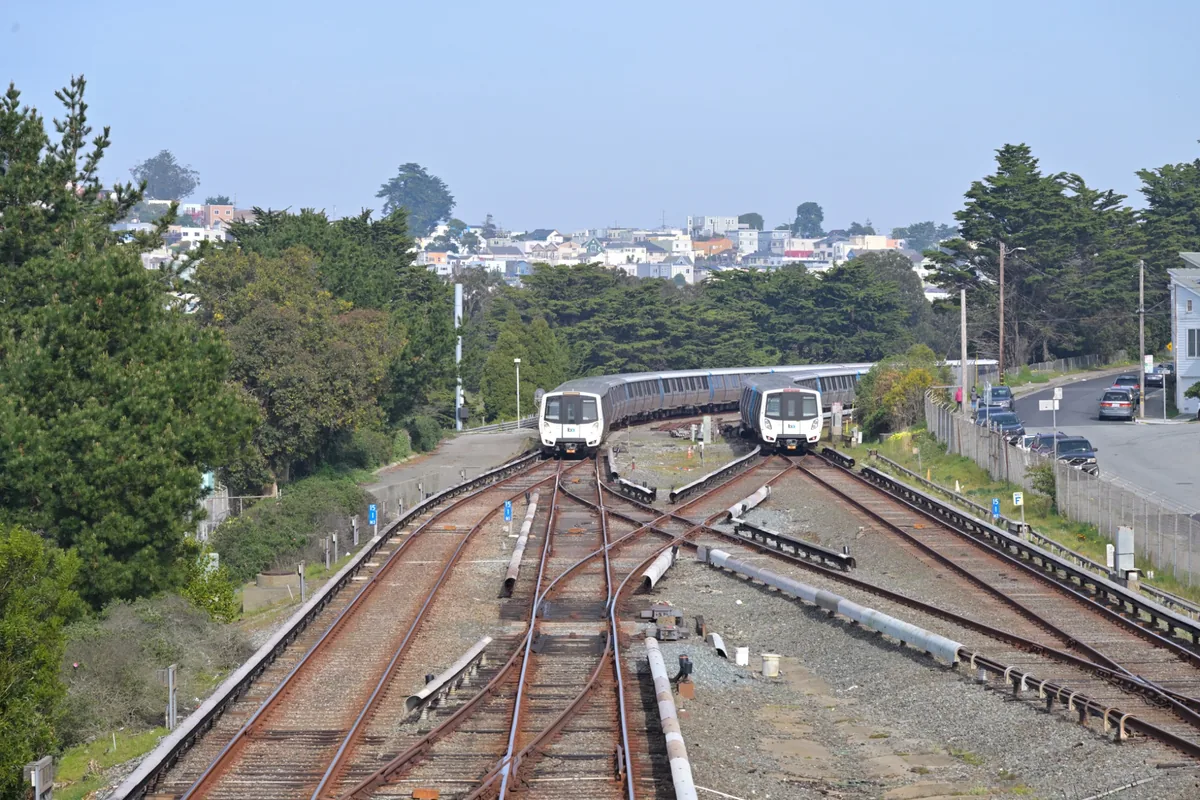
Boarding will be limited to Platforms 1 and 2. This will give through-running Red and Yellow Line trains a clear route and prevent delays behind Blue and Green Line services moving toward the yard.
Blue and Green Line passengers continuing beyond Daly City, including those travelling to SFO Airport, should change at Balboa Park for an SFO- or Millbrae-bound Red or Yellow Line train. The connection can be made on the same platform, while changing at Daly City will require passengers to move between platforms.
Caltrain, construction and regional coordination
Some BART and Caltrain connections at Millbrae will no longer align in the same way. BART coordinated the revisions with Caltrain, and passengers making this connection should consult the updated BART/Caltrain transfer timetable when planning their journeys to reduce transfer waits.
The August schedule will continue to accommodate late-evening Communications-Based Train Control construction between Daly City and Millbrae. The work is replacing BART’s ageing train control system with a state-of-the-art Communications-Based Train Control System.
Passengers travelling through the area after 9pm from Sunday through Thursday will continue to experience delays while construction proceeds.
The timetable revision is also part of wider schedule coordination among Bay Area transit providers intended to make transit faster and improve transfer reliability and timing. Agencies across the region are introducing new schedules in mid-August and have aligned their timetable changes around two periods each year: mid-August for the summer revision and mid-January for the winter revision.
Representatives met in February 2026 as part of the Big Sync to exchange information about planned adjustments and identify opportunities for better connections. The advance coordination gives participating agencies time to revise schedules so that rail and bus services connect more effectively.
Aligning timetable changes remains a priority for Bay Area transit general managers, who meet weekly to make regional transit more rider-focused and efficient.
What is known about service impacts?
BART says the train-control work can cause evening delays between Millbrae, SFO, San Bruno, South San Francisco, Colma and Daly City. On some Sunday-through-Thursday nights, passengers travelling between Millbrae, SFO and Daly City should expect delays of up to 30 minutes from 9pm.
BART updates its Trip Planner weekly to show whether construction is scheduled, while the work and related service effects are expected to continue through summer 2026. Passengers can use those updates when planning a late-evening journey.
News on railway transport, industry, and railway technologies from Railway Supply that you might have missed: