TÜV SÜD and MEDHA Expand Hydrogen Rail Partnership
TÜV SÜD and MEDHA have expanded their hydrogen rail partnership in India, building on safety approval for the country’s first indigenous hydrogen-electric train and supporting infrastructure.
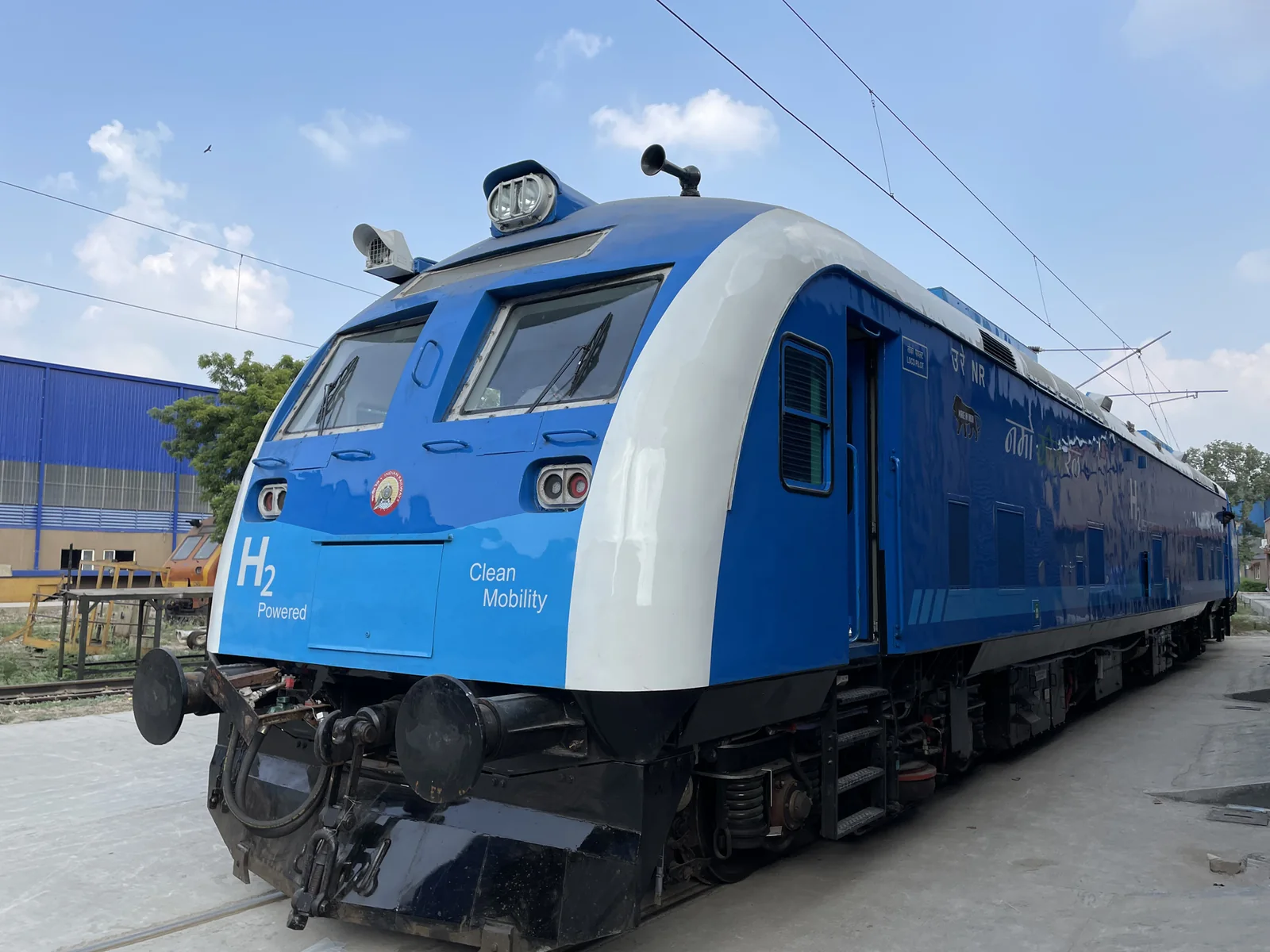
The two companies signed a memorandum of understanding to broaden cooperation on hydrogen-powered rail vehicles and independent safety assessments for future Indian rail projects. The agreement follows a joint programme with Indian Railways that ran from 2024 to 2026 and delivered an approved hydrogen-electric multiple unit as well as a hydrogen production and refuelling station.
Hydrogen rail partnership builds on completed programme
MEDHA integrated the fuel-cell propulsion package into a Diesel Electric Multiple Unit platform and conducted static, dynamic, oscillation and performance testing. TÜV SÜD assessed the train’s hydrogen and traction-battery systems and reviewed the associated production and refuelling infrastructure.
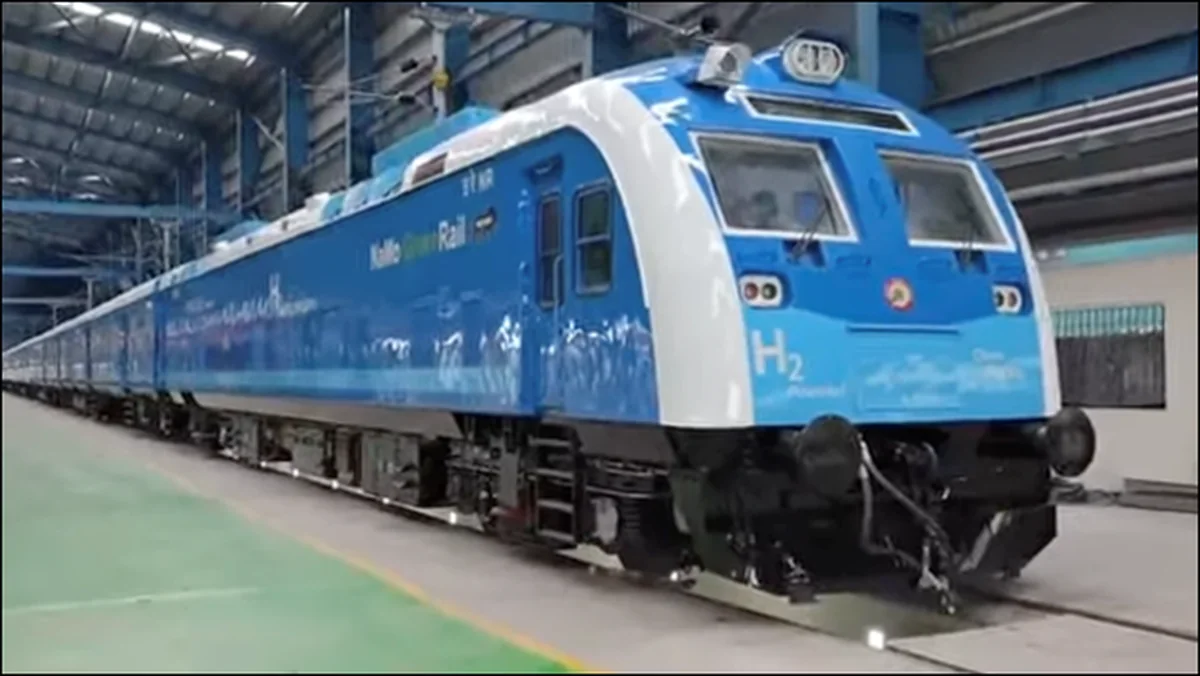
The train was inaugurated on 17 July 2026 and is intended to operate on the Jind–Sonipat section of Northern Railway. An Indian government factsheet describes it as a 10-car trainset with capacity for approximately 2,600 passengers, approval for operation at up to 75 km/h and a design speed of 110 km/h.
Don’t miss…NJ Transit FY 2027 Budget Advances $3.5 Billion Plan
The supporting facility at Jind can store nearly 3,000 kg of hydrogen and has received the required licence from India’s Petroleum and Explosives Safety Organisation. Indian Railways said the installation was designed around recognised hydrogen safety standards and underwent an independent third-party assessment by TÜV SÜD.
Hydrogen rail partnership targets future safety work
Under the new agreement, TÜV SÜD and MEDHA will extend cooperation beyond the completed demonstrator and continue work on hydrogen rail technologies and Independent Safety Assessments in India. The official announcement did not specify a financial value, delivery programme or number of additional vehicles covered by the MoU.
“The safety requirements for hydrogen applications in the rail sector are extremely complex and challenging.”
Sumit Singhal, Senior Vice President of TÜV SÜD South Asia, said the companies would strengthen their collaboration as hydrogen technology develops in the Indian railway sector.
The partnership places independent safety validation alongside propulsion development as Indian Railways begins gaining operational experience with hydrogen traction. TÜV SÜD’s rail business has more than 550 in-house specialists working across conventional rail, high-speed systems, metros and urban transport.
News on railway transport, industry, and railway technologies from Railway Supply that you might have missed: