BART posts strongest March ridership since the pandemic
19.04.2026
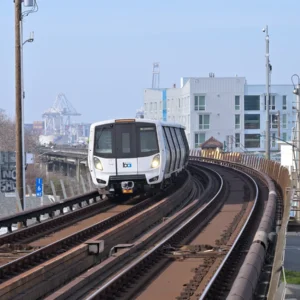
BART March ridership record totals made March the system’s strongest month since the pandemic. The agency also set several new highs for the recovery period. This is reported by the railway transport news portal Railway Supply.

Officials said BART recorded 5,403,140 exits during the month. That topped the previous post-pandemic high of 5,346,890 exits in October 2025.
BART March ridership record and monthly gains
As BART reported, March ridership finished 13% above budget. It was also 20% higher than in March 2025. The gains continued the steady pattern seen in recent monthly reports. The month also included the busiest post-pandemic ridership day. That added to the scale of the March increase beyond the monthly exit total.
Don’t miss…India eyes South Africa rail rebuild options
That one-day high came on March 25, when 227,300 exits were recorded. The date coincided with San Francisco Giants Opening Day 2026. Officials said that showed BART’s ability to move large crowds to major regional events. The previous one-day high came on February 5, 2026, during Super Bowl LX week. It reached 225,830 trips.
Average weekday ridership above 200,000 and Saturday growth
March also marked another point in the post-pandemic ridership recovery. As Railway Supply notes, average weekday ridership moved above 200,000 trips. It was the first time that level had been reached since the pandemic. BART officials said this followed earlier gains. They pointed to October 2025, when weekday averages came close to that level. Officials also said it reflected the continued return of riders for work and everyday travel.
Weekend use rose as well, especially on Saturdays. Average Saturday ridership increased 38% from March 2025. The gain was supported by major events. These included the San Francisco Chinese New Year Parade and No Kings Protest Day.
According to officials, that increase highlights BART’s growing role beyond the traditional commute. The system supports travel to cultural celebrations, civic events and entertainment throughout the region. March’s results also build on the steady ridership gains the agency has reported in recent months.
BART funding gap and structural deficit remain
Even with those record results, officials said fare revenue still falls short. It remains below the level needed to sustain BART operations. They added that ridership growth alone will not close the BART funding gap. Officials also said the agency needs a new funding source.
According to BART’s financial deficit page, BART faces a $350 million to $400 million structural deficit. The agency tied that gap to long-term changes in commute patterns. These include remote and hybrid work.
The agency balanced its FY26 budget with $35 million in ongoing cuts and cost controls. Its FY27 deficit is reported at $376 million. BART is also taking further steps to reduce the shortfall through additional expense reductions. Still, officials said it will need help to fully close the gap.
News on railway transport, industry, and railway technologies from Railway Supply that you might have missed: