BART Introduces 10-Minute and 8–12-Minute Train Spacing
USA: BART’s August 10 schedule replaces uneven 5/15-minute and 3/17-minute gaps with 10-minute and 8/12-minute spacing on paired services through San Francisco, creating more even scheduled gaps for riders.
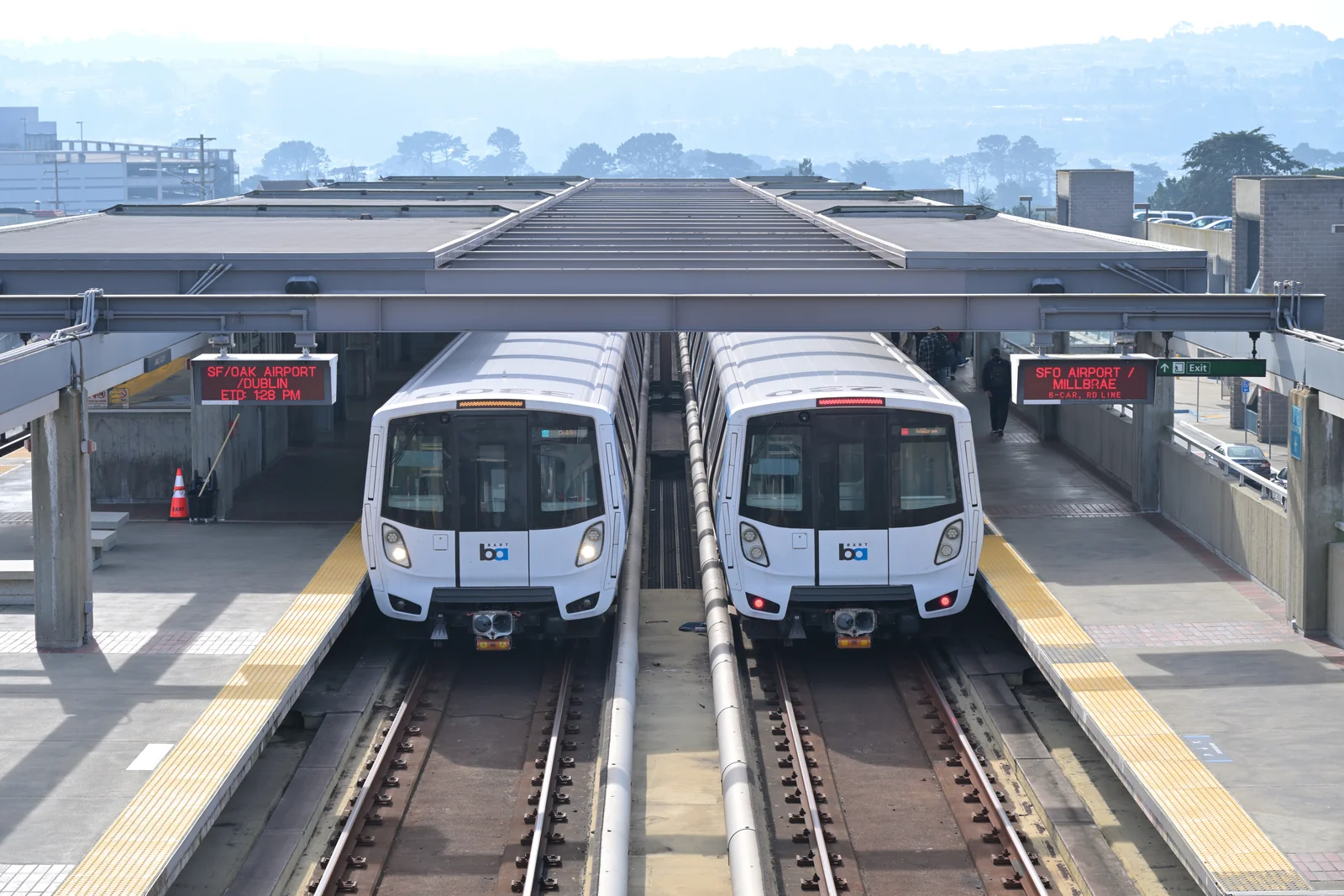
The change took effect on August 10, 2026. BART says Yellow and Red trains are now spaced 10 minutes apart for Richmond-bound riders coming from San Francisco, replacing the previous 5- and 15-minute pattern. For Dublin- and Berryessa-bound riders, Green and Blue trains move from 3- and 17-minute spacing to 8 and 12 minutes. BART says the longest gap in that San Francisco-to-Bay Fair pattern is now 12 minutes instead of 17.
These figures describe spacing between paired services on shared parts of the network, not the frequency of every individual line. BART’s published schedules provide separate weekday and weekend timetables, while the announcement defines the new headways by direction rather than as an all-day promise for every station.
Don’t miss…Karibib Logistics Hub Anchors New Walvis Bay Rail Link
Yellow/Red Move to 10 Minutes, Blue/Green to 8/12
| Paired services | Scope | Before August 10 | From August 10 |
|---|---|---|---|
| Yellow + Red | Richmond-bound from San Francisco | 5 and 15 minutes | 10 minutes |
| Green + Blue | Dublin- and Berryessa-bound; San Francisco toward Bay Fair | 3 and 17 minutes | 8 and 12 minutes |
The redesign does not establish a universal increase in train frequency. Instead, BART is redistributing departures so paired trains arrive at more even intervals, with the stated aim of reducing long platform gaps rather than adding service on every line.
Daly City Platform Change Drives the New Pattern
BART links the new spacing to a change in how trains move through Daly City Station. The agency identifies the station and nearby switches as a congestion point that could create ripple effects elsewhere in the system.
Under the new arrangement, Daly City operates as a center-platform station. Blue and Green trains terminating there use Platform 3 as an exit-only platform before heading to the yard, while passenger boarding is concentrated on Platforms 1 and 2. BART says this gives Yellow and Red through trains a clearer path and reduces conflicts with trains leaving service.
The agency says the operational changes are cost neutral and were developed by its Operations Planning Department. BART says the new arrangement is intended to support more even headways, shorter waits for some riders and less train congestion.
Departure Times Still Vary by Trip
Some departure times have shifted by a few minutes, and boarding platforms may differ for certain trips. Because service spans vary by line and day, riders should check the current timetable for their station and destination rather than treat the 10-minute and 8/12-minute figures as systemwide frequencies.
News on railway transport, industry, and railway technologies from Railway Supply that you might have missed:


