Karibib Logistics Hub Anchors New Walvis Bay Rail Link
NAMIBIA: The Karibib logistics hub is anchoring a new TransNamib–Kaleido freight corridor that consolidates inland cargo for rail movement to Walvis Bay, with initial volumes expected at up to 25,000 tonnes a month.
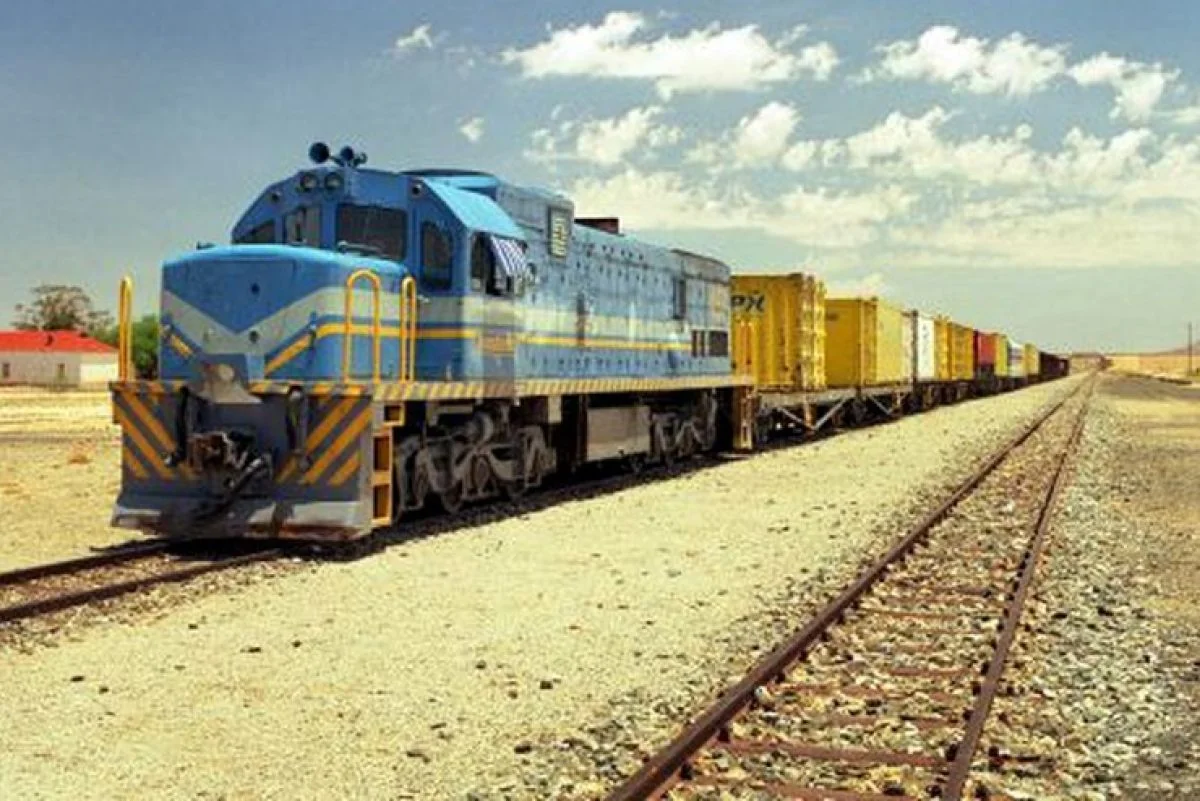
Karibib turns cargo consolidation into rail volume
The new facility sits alongside the railway with direct access to TransNamib infrastructure. It is intended to handle storage, loading, unloading and transshipment, allowing cargo gathered around Karibib to be assembled into rail-suitable flows before moving to Walvis Bay.
Marble and granite blocks are among the first target commodities, while other cargoes may be added according to demand. Kaleido Logistics’ Africa network page lists both Karibib and Walvis Bay among its Namibian depots and describes local transport services that combine truck and rail movements from quarries to ports or final destinations.
The company’s public Africa page does not publish a separate area, storage capacity or equipment list for the Karibib site. That means network-wide figures for Kaleido’s African storage footprint should not be treated as specifications for this individual hub.
Don’t miss…BLET Arbitration Blocks BNSF Structured-Rest Change
How the Karibib–Walvis Bay model works?
The corridor is built around a division between cargo consolidation and the rail leg rather than a complete replacement of road transport. Cargo can be brought together inland, handled at Karibib and then moved by rail toward Namibia’s main port.
TransNamib’s Operations unit says its responsibilities include freight handling and train operations, including bulk transport by rail. In the new corridor, that rail capability is paired with Kaleido’s depot and cargo-handling role, creating a hub-and-corridor model rather than a simple point-to-point train service.
This distinction matters for shippers whose cargo is generated away from the railway. Road transport can still feed the consolidation point or connect other parts of the logistics chain, while rail handles the grouped long-distance movement to Walvis Bay.
Initial scale remains a target
TransNamib and Kaleido expect initial volumes of up to 25,000 tonnes per month. At that level, the partners estimate the corridor could remove about 735 truck movements from Namibian roads each month and reduce CO₂ emissions by around 900 tonnes per year.
Those figures remain estimates linked to the expected traffic level, not results already achieved. The immediate operational change is the combination of a rail-connected consolidation hub at Karibib with a freight corridor to Walvis Bay.
News on railway transport, industry, and railway technologies from Railway Supply that you might have missed: