BART Board Responds to Grand Jury Oversight Report
USA: A civil grand jury looked past BART’s well-documented budget gap and found something narrower but just as telling — the transit agency’s own oversight bodies don’t answer to each other the way BART’s governing documents say they should.
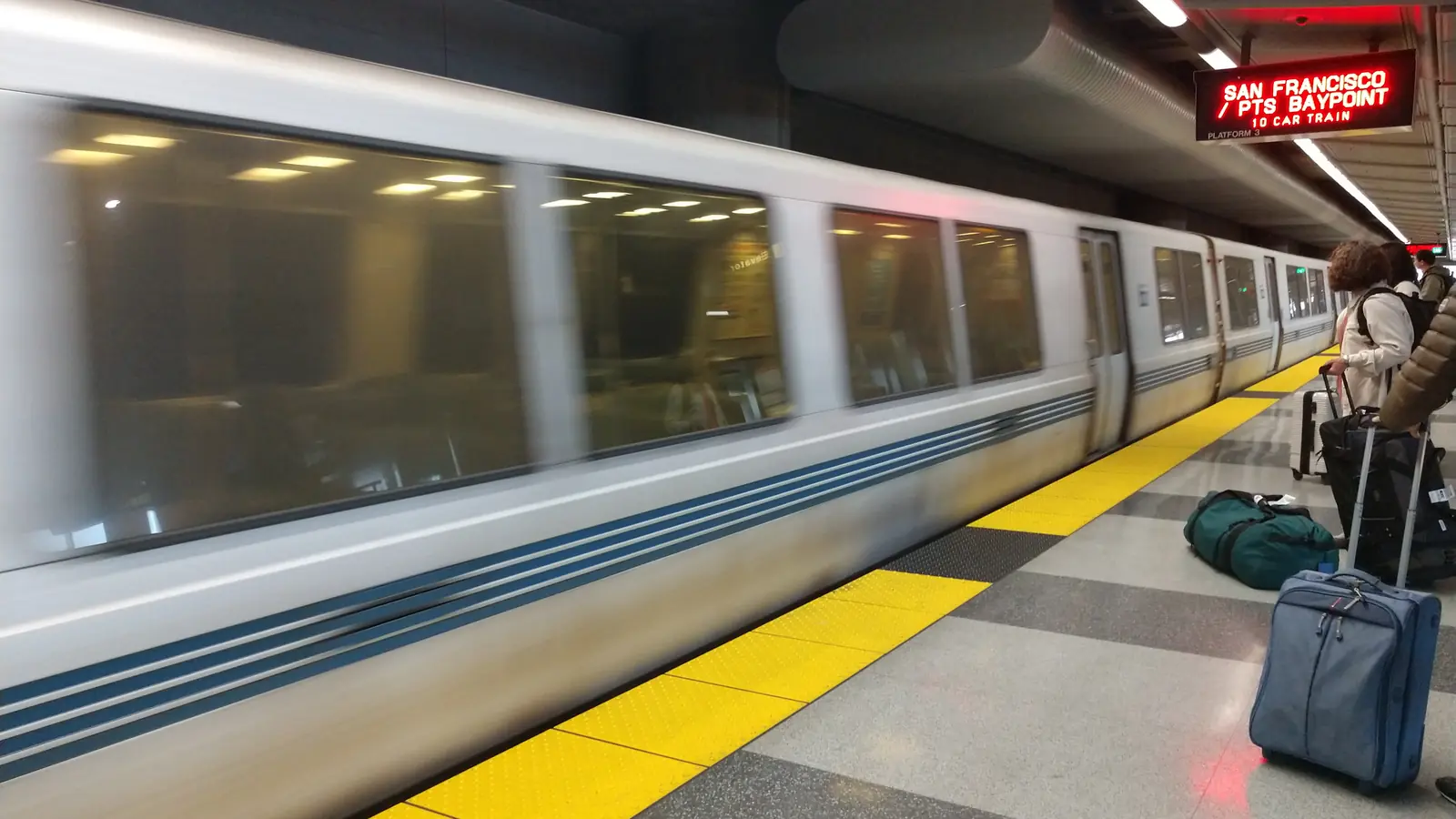
The BART Board of Directors approved its official response on Aug. 14 to a May report from the Contra Costa County Civil Grand Jury titled “BART at a Crossroads: Structural Deficit, Governance Accountability, and the Choices Ahead,” according to Piedmont Exedra. Railway Supply has previously covered the financial side of BART’s crisis in detail, including its contingency plan to close up to 15 stations; this piece focuses on what the jury found about how BART audits itself.
Don’t miss…BART Schedule Cuts Longest Gaps on Two Line Pairs
Three watchdogs that don’t talk to each other
The jury identified three separate oversight functions inside BART: an Audit Committee of three board members and two outside finance experts, an Office of the Inspector General that hunts for fraud and waste, and an Internal Audit department that is supposed to report to the Audit Committee. The catch, the report found, is that the documents defining each body’s role, scope and hierarchy are inconsistent with one another — for example, Internal Audit reports to the Audit Committee on paper, but the committee only has authority to review annual audit plans, not approve them. “The conditions documented in this investigation indicate that BART’s governance and oversight structures do not fully operate in conformance with … professional auditing standards or with the responsibilities defined in BART’s own governing documents,” the jury wrote.
BART staff agreed that 10 of the jury’s recommendations have been or will be implemented and said seven more need further analysis. Three recommendations — the announcement does not specify which — will not be adopted because BART staff considers them unwarranted or unreasonable. District 3 Director Barnali Ghosh, who sits on the Audit Committee, called the report a reminder that “there’s a lot of little process things that need tightening up.”
The deficit context the jury was reacting to
The governance findings sit alongside the same $375 million structural deficit BART faces starting fiscal year 2027 that Railway Supply has tracked previously. The jury’s report noted that even if the Connect Bay Area sales-tax measure passes in November, BART would still face a $192 million gap through fiscal year 2031. The report does not specify how, or whether, fixing the oversight inconsistencies would affect BART’s ability to close that financial gap.
News on railway transport, industry, and railway technologies from Railway Supply that you might have missed: