MTA Keeps 2026 Budget Balanced, Forecasts 2027 Deficit
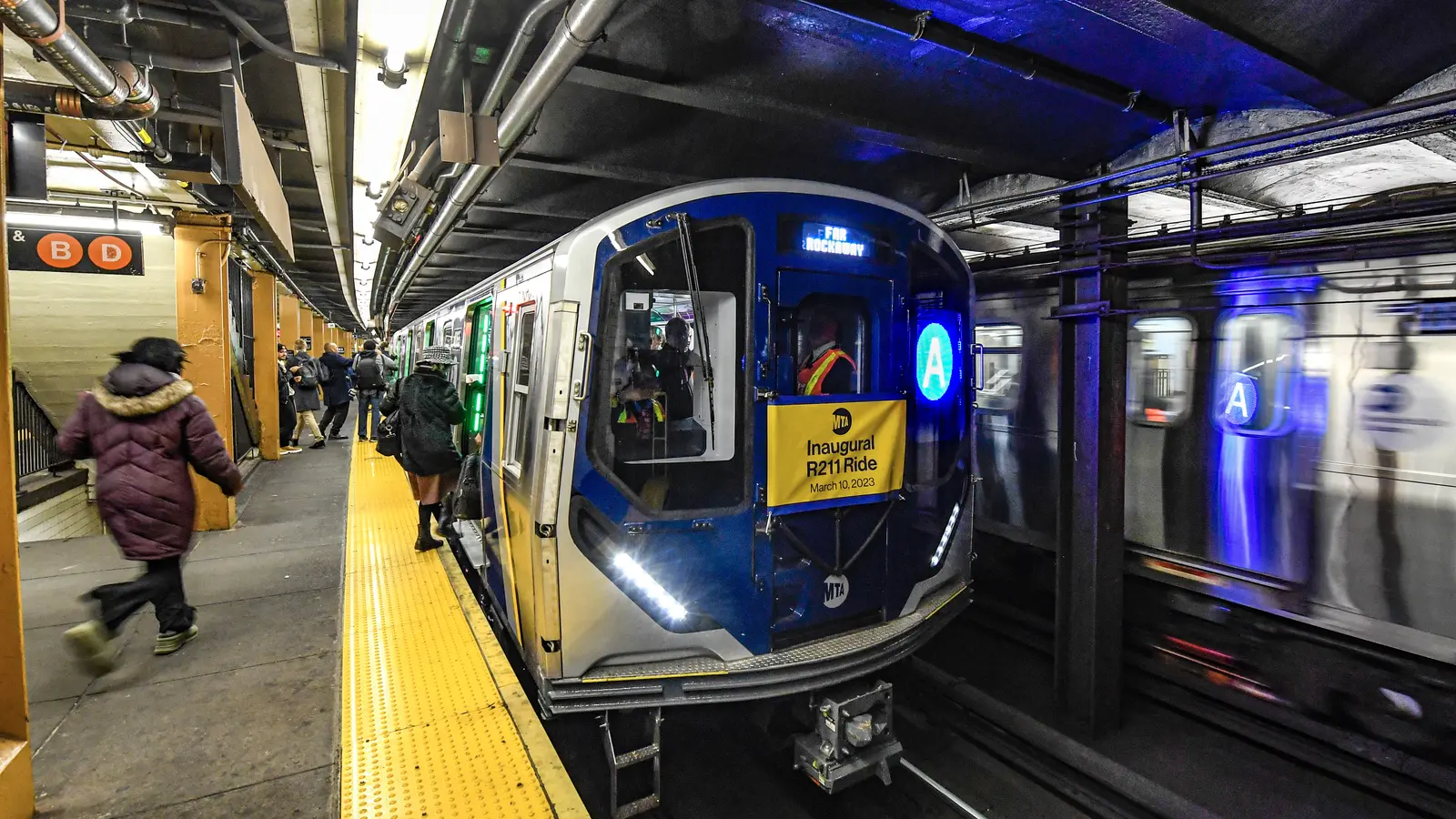
USA: The MTA 2026 budget remains balanced after nearly $600 million in recurring annual savings, but the new financial plan points to a roughly $300 million shortfall next year.
Savings hold the budget through 2026
The authority released its official financial update on July 29. It says the operating budget will remain balanced through the end of 2026, marking a fourth consecutive balanced year.
The result reflects nearly $600 million in recurring annual savings generated through operational efficiencies. Strong tax and subsidy receipts and lower projected debt-service costs also help offset financial pressure. The MTA has expanded its savings program and is targeting $750 million in annual recurring savings by 2029.
Don’t miss…Union Pacific Big Boy Tour Ends After 7,145-Mile Journey
Healthcare costs create pressure from 2027
The July Financial Plan shifts from balance in 2026 to projected deficits beginning in 2027. The authority says costs for energy, healthcare, claims and other categories outside its direct control are rising faster than revenue.
Employee and retiree healthcare costs are forecast to increase by an average of 8% annually, compared with projected inflation of 2.6%. New York State Comptroller Thomas DiNapoli put next year’s budget gap at about $300 million and said larger gaps would follow. He also noted that farebox revenue is slightly behind budget and identified overtime as a continuing concern.
Fare and toll changes remain proposals
The plan assumes proposed fare and toll adjustments in March 2027 and March 2029. Each adjustment would generate a 4% increase in annual fare and toll revenue, but the plan treats both as future assumptions rather than completed changes.
“We will keep finding efficiencies and carefully managing the expenses we can control, while being candid about the growing gap in the years ahead,” said MTA Chief Financial Officer Jai Patel.
The outlook covers the MTA network, including New York City Transit, Long Island Rail Road, Metro-North Railroad and Bridges and Tunnels. The authority says its network serves 15.3 million people across a 5,000-square-mile region surrounding New York City.
News on railway transport, industry, and railway technologies from Railway Supply that you might have missed:


