Australia Wants Proven High-Speed Trains, Not New Ones
20.08.2026
AUSTRALIA: Three groups have been shortlisted to develop the country’s first high-speed trains, which will be based on proven trains and systems already operating elsewhere rather than designed from scratch.
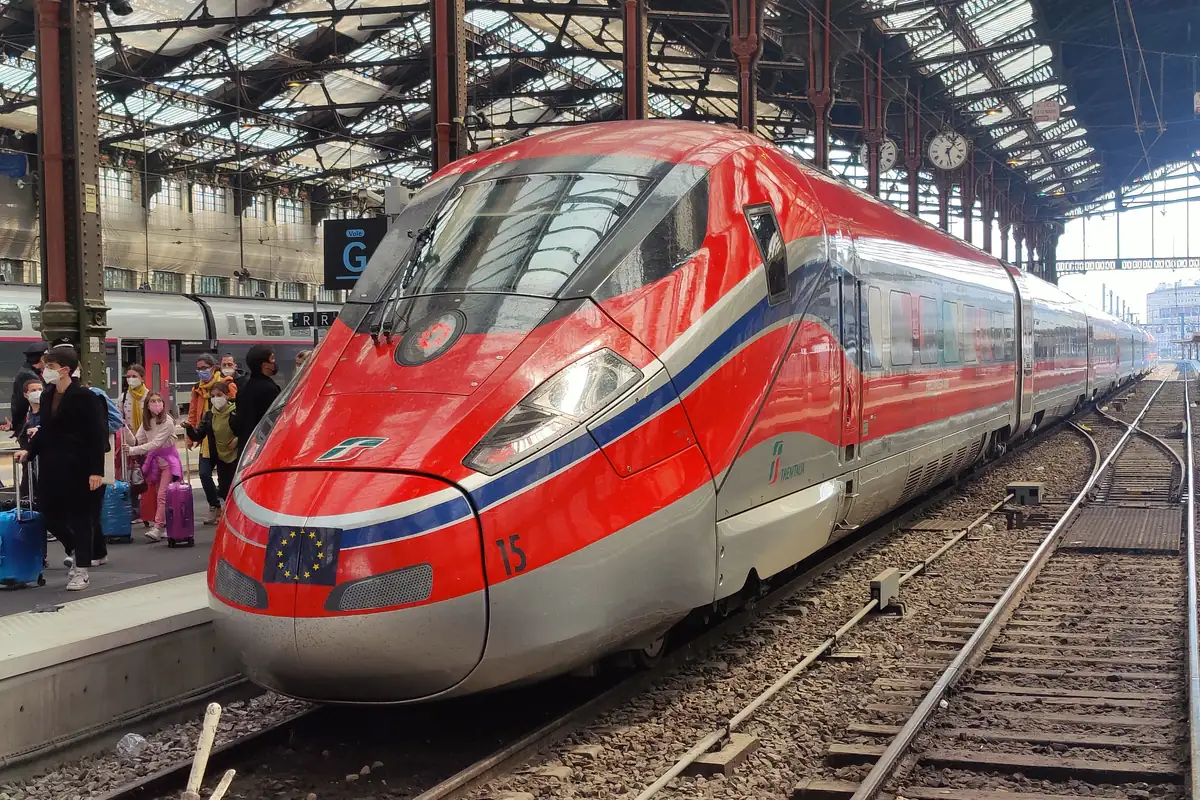
The High Speed Rail Authority has selected Alstom/UGL Joint Venture, made up of Alstom Transport Australia and UGL Engineering; the ARC Joint Venture of Siemens Mobility, Siemens Mobility GmbH and Mott MacDonald Australia; and Hitachi Rail STS Australia for the Early Contractor Involvement process covering the Trains, Systems and System Integration package of the Newcastle to Sydney High Speed Rail project.
Don’t miss… Australia Puts Three Teams in a 35km Tunnel Race
The package is only partly about trains
What the three groups are competing for is broader than rolling stock. Alongside the supply of the trains, the package covers the design and delivery of the rail systems, the depot and the operations control centre, and the integration, testing and commissioning of the future line.
That is a system integrator’s brief, and the composition of the three shortlisted groups reflects it.
| Proponent | Members | What the structure suggests |
|---|---|---|
| Alstom/UGL JV | Alstom Transport Australia, UGL Engineering | OEM plus an Australian rail engineering business |
| ARC JV | Siemens Mobility, Siemens Mobility GmbH, Mott MacDonald Australia | OEM plus an Australian engineering consultancy |
| Hitachi Rail STS Australia | Hitachi Rail STS Australia | Australian Hitachi Rail entity bidding as a single proponent |
Hitachi is bidding through Hitachi Rail STS Australia, the group’s Australian legal entity. Although the STS name reflects the company’s signalling heritage, Hitachi Rail now operates as an integrated supplier of rolling stock, signalling, digital systems and turnkey railway solutions.
No major construction contract has been awarded
The ECI process is intended to finalise cost, scope, design and approvals so that the Australian Government can make an investment decision at the end of the project’s Development Phase. No major construction contract will be awarded until that decision-making process is complete.
In other words, Australia is narrowing the field of potential train and systems suppliers before making a final investment decision on construction. The trains and tunnelling packages are being developed in parallel so that updated designs, costs, scope and delivery schedules can inform that decision.
The tunnelling package, shortlisted two days earlier, covers Area Package 1 between Berowra and Ourimbah — about 35 km of twin tunnels and the Central Coast station at Gosford.
What the trains have to do
The performance target is a Newcastle–Sydney journey of about one hour on a dedicated line, with roughly 30 minutes from the Central Coast to either end. The trains are expected to operate at speeds of up to 320 km/h.
The Authority’s requirement rules out developing a bespoke system from scratch. Each proposal must instead be based on mature, proven trains and rail technologies already operating successfully elsewhere, adapted to Australian conditions, safety requirements and passenger needs.
News on railway transport, industry, and railway technologies from Railway Supply that you might have missed:
Don’t miss… Australian Rail Standards Face a Five-Year Reset