Australian Rail Standards Face a Five-Year Reset
19.08.2026
AUSTRALIA: Australian rail standards are entering a five-year reform program designed to cut costly differences across 29 networks and prepare passenger and freight operations for the digital era.
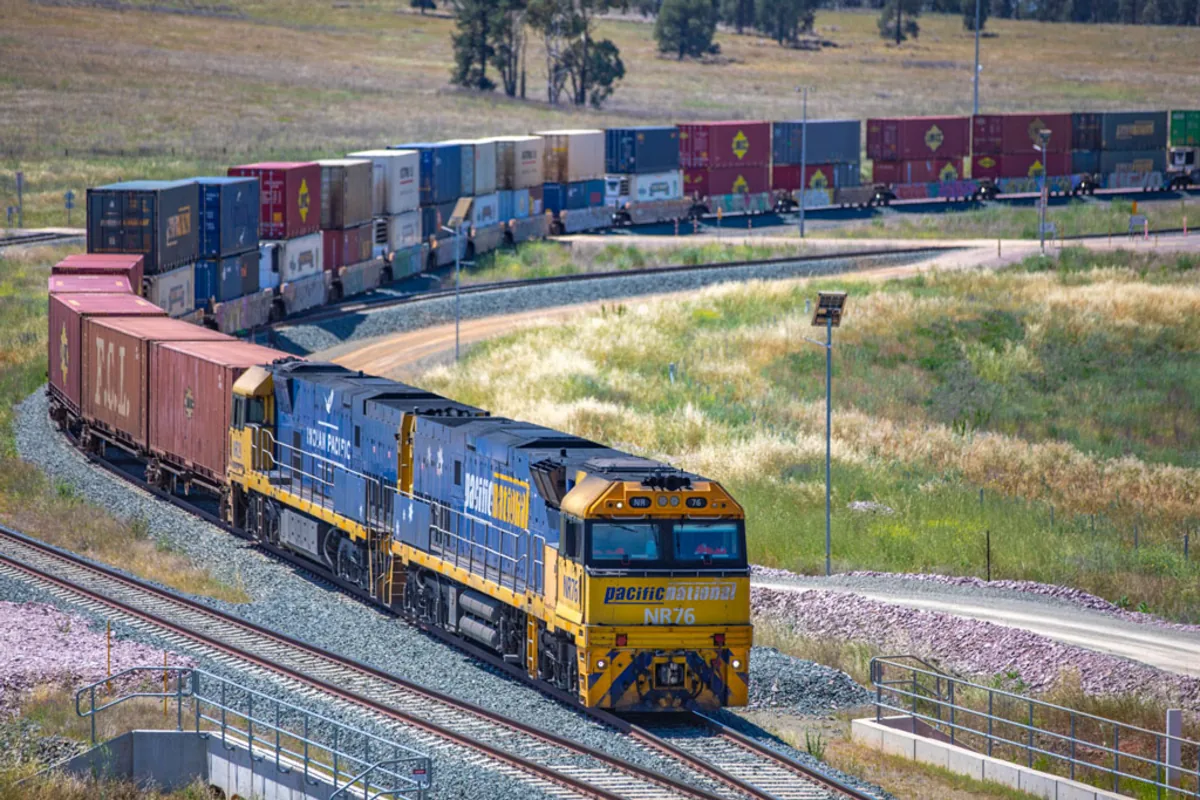
The agreement between the Infrastructure and Transport Ministers Meeting (ITMM) and the Australian Rail Industry Standards Organisation was announced Aug. 18, according to ARISO. It targets differences that predate Federation, ranging from train dimensions and components to operating rules and the acceptance of new rolling stock across multiple networks.
“ARISO can help governments and industry save millions in future procurement cycles and reduce unnecessary differences across the country — from the colour of hi-vis vests, to the size of train bodies, wheels and components, along with the way new rolling stock is accepted across multiple networks,” said ARISO chair Dr Gillian Miles.
Don’t miss… ARISO Rail Standards Body Board Confirmed for 2026
Why fragmented Australian rail standards raise costs
Australia’s rail system comprises 29 separate networks, each with its own standards, operating rules, processes, infrastructure and approaches to workforce training. A product may require approval every time it is introduced by another operator or in another jurisdiction. The Australasian Railway Association estimates that these repeated type-approval processes cost the industry A$230 million per year.
The fragmentation also affects manufacturers bidding for rolling stock contracts, operators moving equipment between networks and workers whose training or competencies may not be recognised elsewhere. The new program is intended to replace unnecessary differences with nationally consistent approaches while retaining local standards where they do not affect interoperability.
How Australian rail standards will change
Under the new national framework, the National Transport Commission will continue developing mandatory standards covering digital train control and rolling stock approvals. ARISO will lead harmonised standards for operating rules, infrastructure, train components, skills and training requirements.
ARISO’s five-year program includes a consistent national rule book with fewer but higher-quality operating rules, supporting standards for the European Train Control System and other digital technologies across the National Network for Interoperability, and new assurance mechanisms for the standards development process.
Federal Infrastructure Minister Catherine King said ARISO “will now be tasked with reforming national rail standards and developing best practice approaches with industry.” The work is aligned with the existing National Rail Action Plan.
What happens over the next five years
The announcement establishes the reform’s direction but does not identify the first standards to be delivered or set detailed implementation dates. The next test will be whether operators and jurisdictions adopt the harmonised standards developed through the program, since nationally consistent rules will deliver limited savings without implementation across individual networks.
Another issue to watch is coordination with the separate National Rail Procurement and Manufacturing Strategy, which is pursuing harmonised manufacturing standards and a nationally coordinated approach to rolling stock procurement.
News on railway transport, industry, and railway technologies from Railway Supply that you might have missed:
Don’t miss… Rail Reform in Australia Aims to Strengthen National Network



