
Romania Orders More EMUs as Bulgaria Tests New Trains
ROMANIA–BULGARIA: The two countries are renewing passenger fleets with 188 contracted EMUs, but delivery, certification and maintenance schedules—not order totals alone—will determine how quickly the new trains reach regular service.
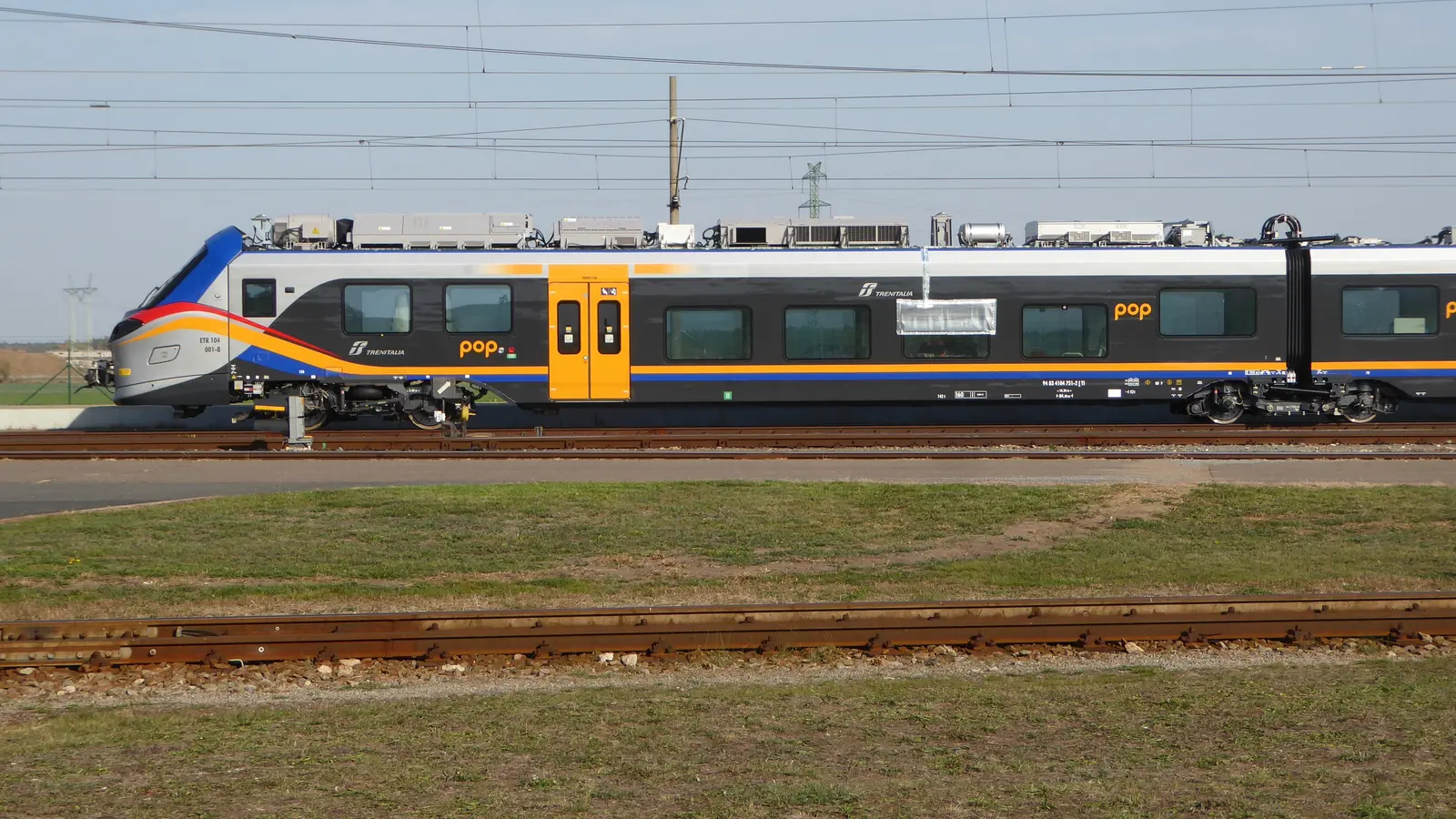
Romania’s larger order meets an operational bottleneck
Romania has contracted 128 electric multiple units: 37 Alstom Coradia Stream inter-regional trains and 91 PESA units. The PESA programme comprises 62 regional EMUs and 29 inter-regional trains, the latter total confirmed after the Railway Reform Authority exercised an option for nine additional units.
The Alstom programme has already produced a visible result. The first of the 37 six-car Coradia Stream trains entered commercial service on 20 November 2024 between Bucharest North and Brașov after 10,000 km of testing. The trains offer 351 seats, a maximum speed of 160 km/h, a fully low-floor interior and ERTMS Level 2.
PESA deliveries have encountered a different problem. Around 20 Polish-built trains have reached Romania, but several have remained out of passenger service while acceptance, handover and maintenance arrangements are completed. Transport Minister Radu Miruță said 13 units had been accepted and 11 could be prepared for operation—six for CFR Călători and five for private operators.
The remaining obstacle is the three-party framework involving the authority, operators and PESA. Romania has withheld sums linked to maintenance obligations that the manufacturer had not fulfilled, while the parties work to complete the transfer and servicing arrangements.
Bulgaria concentrates 60 EMUs into a shorter timetable
Bulgaria has ordered 60 EMUs: 25 four-car Škoda RegioPanter trains for regional and suburban routes and 35 six-car Alstom Coradia Stream units for inter-regional services.
The first two RegioPanters began testing on Bulgarian infrastructure in the week of 23 March 2026. Each train has more than 300 seats, a maximum speed of 160 km/h and ETCS Level 2. The contract also covers 15 years of servicing, but certification and preparations must be completed before regular passenger operation begins.
Alstom’s Bulgarian contract totals €720 million, including 15 years of maintenance, with Alstom’s share valued at €600 million. The first 12 trains are due within the funding timetable of the Recovery and Resilience Plan, while the complete 35-unit fleet is scheduled for delivery by 2027.
The six-car Coradia configuration gives Bulgaria a possible technical advantage. Alstom developed, tested and certified this format for Romania, so the Bulgarian build starts from an established design. Bulgarian approval remains separate, however, and compatibility with the country’s infrastructure and systems must still be demonstrated.
Don’t miss…ONRSR Targets 20 Critical Risks in Rail Inspections
Service entry will decide the comparison
Romania has more than twice as many EMUs on order and already carries passengers on Alstom trains. Bulgaria’s new mainline fleets remain in testing or production, but its deliveries are concentrated in a shorter period.
An unofficial analysis by Bulgarian railway enthusiasts estimates that BDZ could have 45 new Škoda and Alstom units by August 2027. The figure is not an official commitment and depends on fleet allocation under future public service contracts.
If Bulgaria maintains its delivery and authorisation timetable while Romanian PESA units continue to wait, it could temporarily place more newly procured EMUs into service despite its smaller order. The decisive milestones are now passenger-service entry for Romania’s PESA fleet and Bulgarian authorisation for the Škoda and Alstom trains.
News on railway transport, industry, and railway technologies from Railway Supply that you might have missed: