ONRSR Targets 20 Critical Risks in Rail Inspections
AUSTRALIA: The national rail regulator has named six freight risk areas within a 20-risk inspection program for the next 12 months, covering level crossings, dangerous goods, rolling stock and incident response.
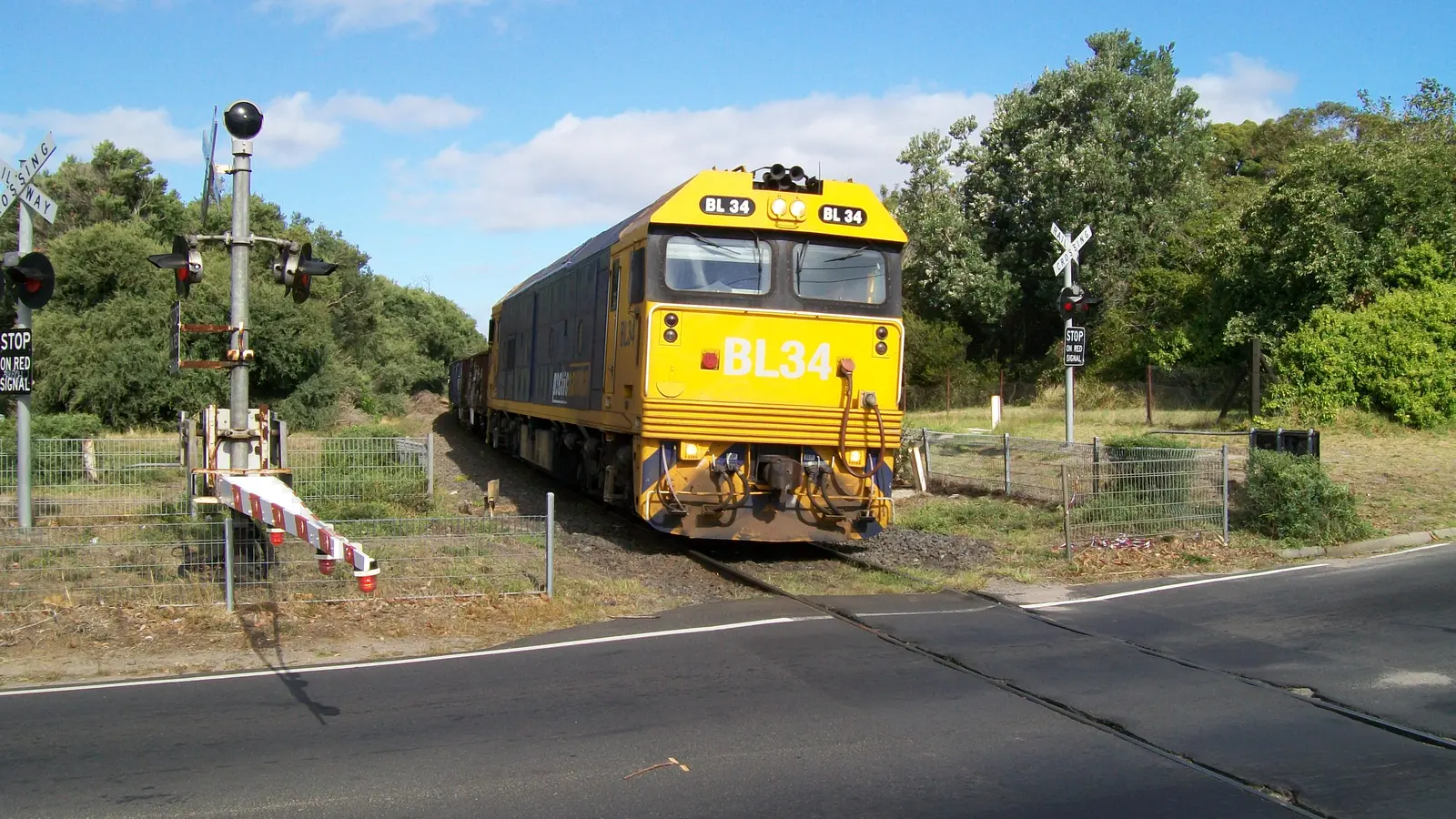
Freight rail inspections will test safety controls
The Office of the National Rail Safety Regulator will use audits, inspections, field visits and inquiries to assess whether operators have effective systems for managing catastrophic risks.
Speaking at the Rail Freight Conference in Melbourne, acting chief operating officer Dane Newton said the critical-risk stream is one of four parts of ONRSR’s compliance program. It is designed to provide assurance that operators are controlling risks “so far as is reasonably practicable.”
ONRSR has identified 20 critical safety risks for attention during the coming year. Its official guidance says audits may form part of the regulator’s work program or follow a specific incident or emerging issue, while inspections assess compliance with obligations under the Rail Safety National Law.
Don’t miss…Melbourne’s First G Class Tram Enters Passenger Service
Six freight risk areas named
For freight operators, Newton identified six areas that inspectors and auditors will examine:
● collisions between freight trains and road vehicles at level crossings;
● crew factors that could cause a collision or derailment, including impairment, fatigue-rule violations and cognitive overload;
● fires or explosions, particularly when dangerous goods are involved;
● rolling-stock irregularities that could cause a derailment or collision;
● incorrect loading or marshalling of freight trains; and
● inadequate capability to respond effectively to a major incident or accident.
The regulator will look for robust systems and processes covering these hazards. “We’ll be out there seeking assurance that freight operators have robust systems and processes in place to manage those risks, and will take action if we find weaknesses or vulnerabilities in operator systems and procedures,” Newton said in the conference report.
He pointed to past freight-train collisions at Hines Hill and Jumperkine in Western Australia, level-crossing collisions around the country and recent near misses involving runaway freight trains in New South Wales.
ONRSR’s current national sector safety themes also identify uncontrolled freight movements as one of seven areas in its responsive-activities program. The regulator says such movements can end in collisions, derailments or level-crossing accidents, threatening crews, railway workers and the public.
Newton closed by asking the freight sector to renew its safety vigilance, warning that productivity must not come at the expense of safety.
News on railway transport, industry, and railway technologies from Railway Supply that you might have missed: