Poland Reshapes 2,200 km of Railways to Eliminate Derailment Risks
25.05.2026
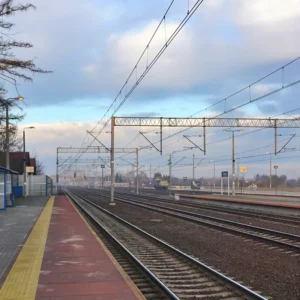
PKP PLK rail re-profiling will cover more than 2,200 km of railway lines and over 700 switches this year. The work is aimed at keeping Poland’s track infrastructure in proper condition by removing track irregularities and undulations.
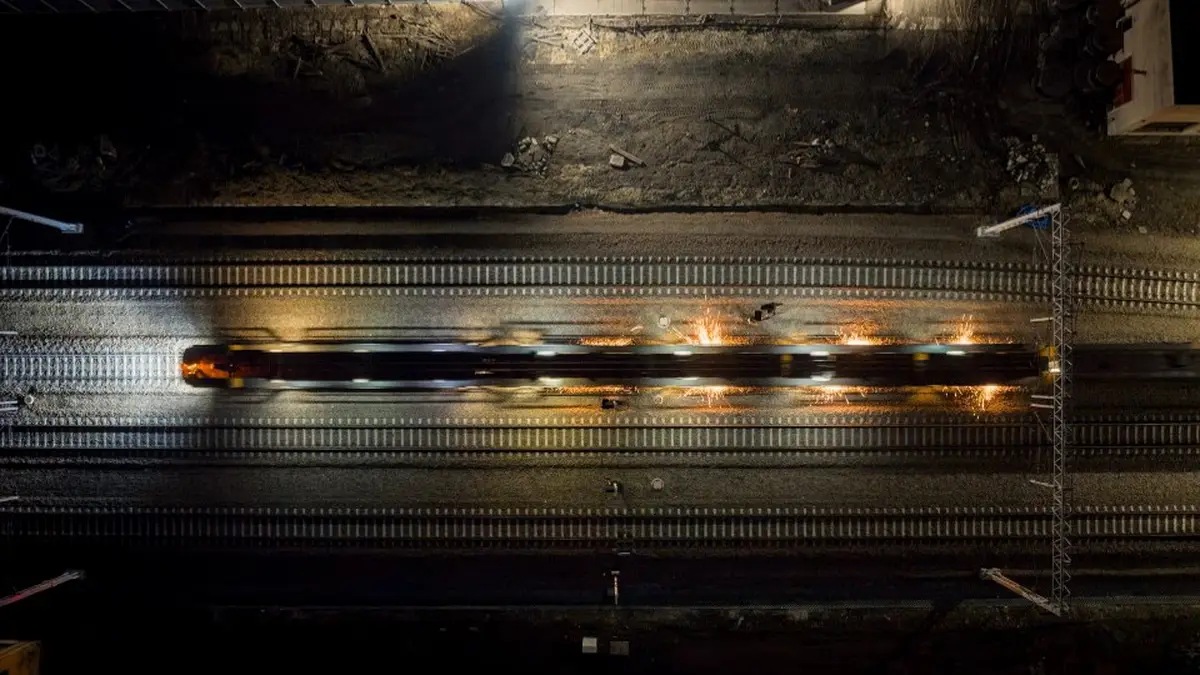
The programme sits within a wider maintenance plan led by Poland’s railway infrastructure manager, PKP PLK. In its official announcement on rail and switch grinding, the company describes the work as a preventive process that restores the correct rail profile and supports safe, reliable train operations.
PKP PLK rail re-profiling covers major routes
The maintenance programme includes several important railway lines across the country. The list covers line No. 353 Poznań Wschód – Skandawa and line No. 14 Łódź Kaliska – Tuplice, along with lines No. 97, 98 and 99, known collectively as the “Zakopianka” railway.
These routes lead towards Zakopane, one of Poland’s most popular mountain resorts at the foot of the Tatra Mountains. Their inclusion shows that the work is not tied to a single corridor or one type of traffic. It is part of a broader railway infrastructure maintenance strategy.
Grinding is also being carried out on modernized lines before regular service begins. This year, the programme includes line No. 104 between Nowy Sącz and Marcinkowice, where passenger trains are expected to start regular operation with the June timetable change.
Track maintenance activities remain at a high level
PKP PLK has kept track maintenance activities at a large scale in recent years. In 2025, the company contracted track realignment work for nearly 2,400 km of railway lines and more than 700 switches. In 2024, the scope reached over 2,100 km of lines and nearly 800 switches.
Much of this work has been carried out on key railway corridors. On line No. 3 Warsaw Zachodnia – Kunowice, more than 600 km of track and 150 switches were re-profiled. On line No. 9 Warsaw Wschodnia – Gdańsk Główny, the programme covered over 500 km of track and almost 300 switches.
Line No. 131 Chorzów Batory – Tczew was also included in the maintenance effort. On that route, the treated sections had a combined length of more than 170 km and included 23 switches.
Rail and switch grinding supports safety and reliability
The systematic increase in rail resurfacing, grinding and milling work forms part of PKP Polskie Linie Kolejowe’s long-term approach to railway infrastructure maintenance. The goal is to reduce the need for rail replacement while maintaining high standards of safety and reliability across the network.
Rail re-profiling is one of the key preventive maintenance measures used on major passenger and freight routes in Poland. By restoring the correct shape of the rail head, the process helps prevent defects more effectively. It also improves ride comfort and supports predictable operating conditions for rail operators.
“Regular rail and switch re-profiling is an investment in the safety and comfort of travel. Thanks to this work, we extend the service life of the railway infrastructure and ensure predictable operating conditions for operators,” said Krzysztof Waszkiewicz, a member of the management board of PKP Polskie Linie Kolejowe responsible for railway infrastructure maintenance.
Rail re-profiling has a significant impact on both travel quality and operational safety. Restoring the proper rail profile helps reduce derailment risk and makes wheel-rail contact more stable. These maintenance activities remain focused on preventing damage and ensuring the continuity and safety of rail traffic.