INDIA: JNPT moves 360 TEU in double-stack formation
23.08.2026
Indian Railways moved 360 TEU out of Jawaharlal Nehru Port in a single coupled double-stack container formation on August 21, 2026. The train departed at 19:00 IST and ran about 422 km over the Western Dedicated Freight Corridor to CONCOR’s GCT at Varnama, in the Vadodara division of Gujarat.
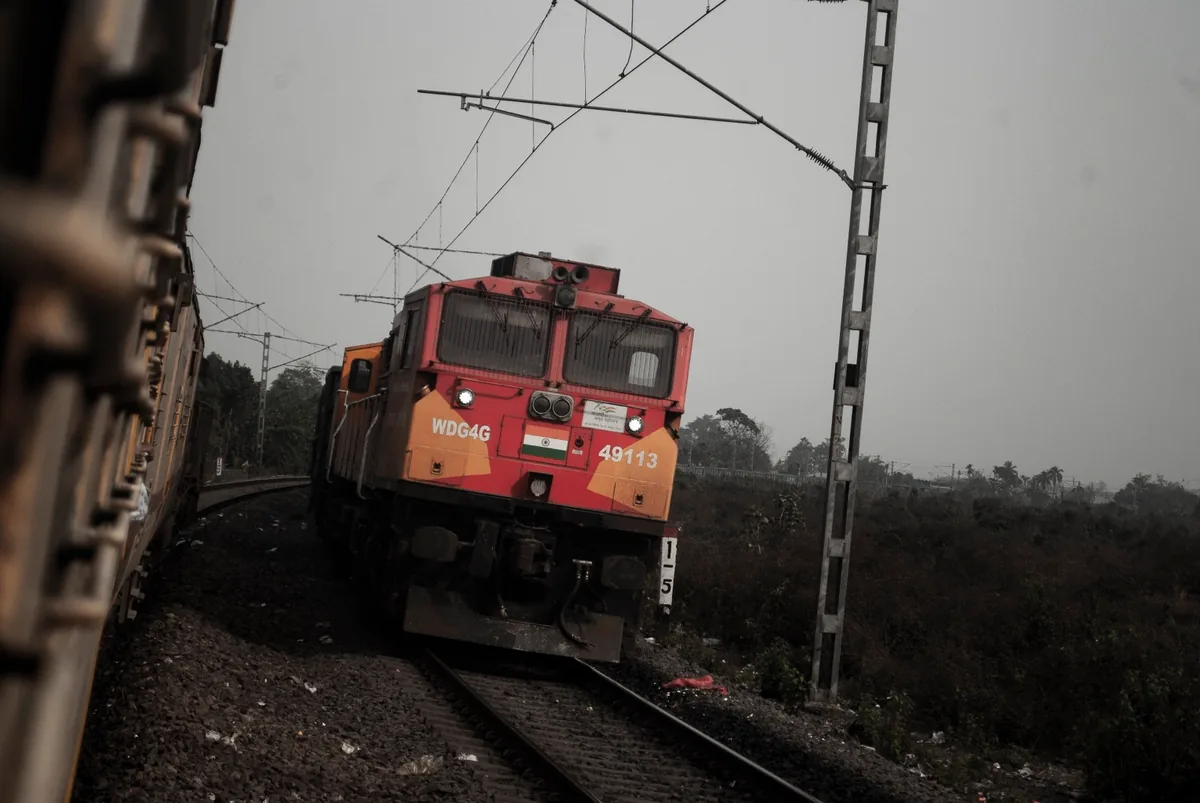
Minister of Railways Ashwini Vaishnaw publicly disclosed the movement on August 22, in an official post describing a 1.3 km double-stack container train on the WDFC between JNPT and Vadodara. The disclosure, not the departure, is what put the operation into circulation.
How the double-stack formation was assembled
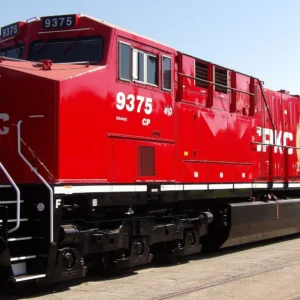
The train was not a single long rake. According to railway information reproduced by independent reporting, the 1.3 km formation combined two double-stack rakes carrying 180 TEU each, for 360 TEU in total. The leading part was reported as hauled by locomotive 60311 at 1,817 tonnes; the trailing part was reported with locomotive 24690 at 2,105 tonnes. These formation details are attributed to railway information as reported; no standalone official page carrying the full formation table was identified.
For a port-facing corridor, the mechanical point is consolidation: the two rakes left JNPT as one reported train movement.
Why the double-stack formation is not an absolute first
The ministerial wording characterised the movement as a “First Long Haul” operation. That phrasing belongs to the minister and has not been independently established as an absolute first.
A Ministry of Railways press release published through PIB on January 7, 2021 already documented 1.5 km electric double-stack trains on the Western Dedicated Freight Corridor carrying 360 TEU. That earlier official record sits on the same corridor, at a greater length, at the same nominal container volume.
Two consequences follow for anyone reading the announcement as a capacity milestone. First, on the official record available, the August 2026 movement cannot be described as India’s first double-stack train or as the WDFC’s first long-haul double-stack train. Second, 360 TEU is not a new capacity record on this corridor: the same nominal figure appears in the 2021 official release. No route, weight, locomotive or road-equivalence detail from that 2021 release applies to the 2026 cargo movement.
What remains defensible as new, in the sources reviewed by Railway Supply, is narrower and more operational: the JNPT–Varnama coupled run itself, and the port-evacuation use case it demonstrates.
What officials expect, and what has not been measured
Railway officials expect the format to move more containers in fewer train movements, improve evacuation of containers from the port, and potentially reduce terminal pressure, dwell time, transit time, cost and road-related emissions. Officials also project lower rolling-stock requirements for equivalent volumes.
Every one of those items is a projection. No measured before-and-after result for dwell time, transit time, cost, diesel consumption or emissions has been published, and no verified monetary saving was identified in the official record available.
For operators, the confirmed change is that one reported movement consolidated 360 TEU. For suppliers, the coupled format touches locomotive and container flat wagon utilisation, but no procurement decision, equipment order or specification change has been announced. For passengers, no consequence is established.
What remains unresolved
Nothing in the official record available shows that the August 21 run opened a scheduled service. No timetable, frequency or repeat working has been published, and no subsequent JNPT–Varnama coupled movement has been confirmed. Whether this becomes an operating pattern or remains a single demonstrated run is unresolved.
There is also no next confirmed milestone. No official schedule for a following movement, and no confirmation of regular operation, was identified in the sources reviewed by Railway Supply.
The practical test for the format will not be the announcement. It will be whether coupled double-stack workings out of JNPT recur, appear in a published schedule, and are accompanied by measured operating performance.