MBTA locomotive procurement fits rail modernization
06.07.2026
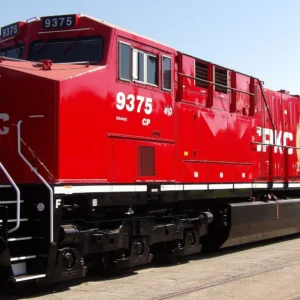
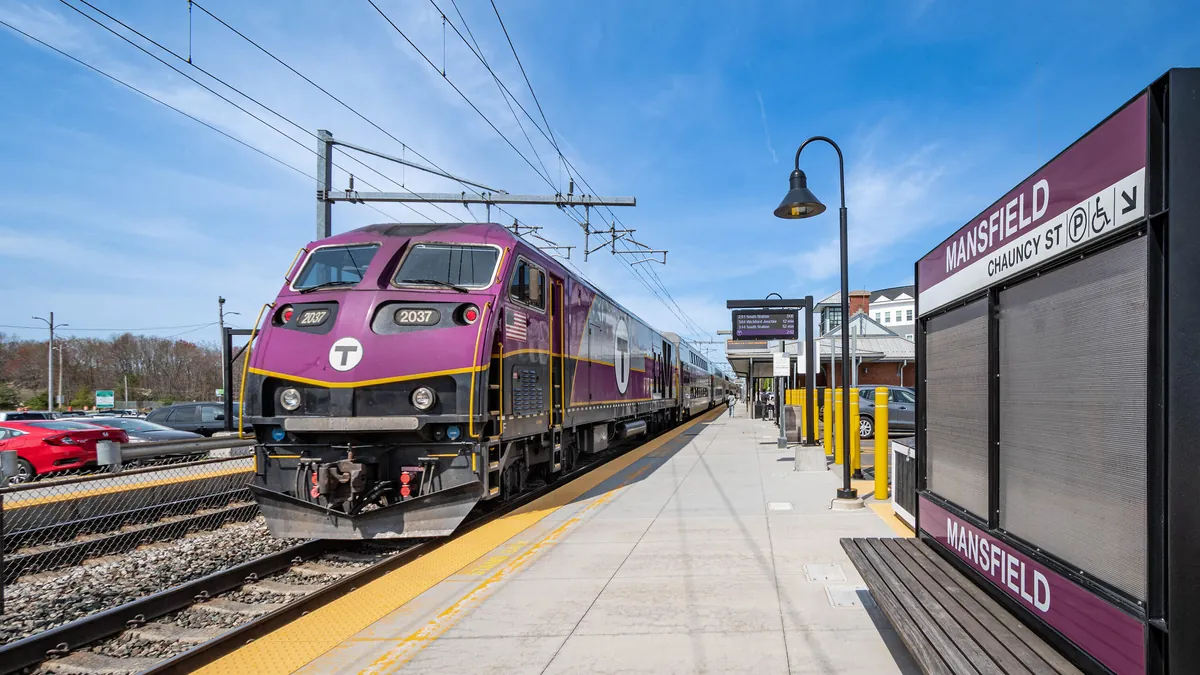
The MBTA locomotive procurement will bring a new fleet of Tier 4 diesel units and battery-electric locomotives, with STV Inc. selected to support the process.
MBTA locomotive procurement and fleet replacement
STV will provide engineering and project-management services as the Massachusetts Bay Transportation Authority prepares to replace diesel locomotives that have been in service for more than 35 years. STV officials said the replacement fleet will combine the latest low-emissions diesel technology with zero-emissions propulsion systems.
The locomotive replacement is part of the MBTA’s wider regional rail modernization plan.
Don’t miss…NHSRCL HSR design consultancy sets corridor framework
STV role in the seven-year contract
The seven-year contract covers end-to-end support across the procurement process, from bid review and selection through procurement, production and testing. STV is based in New York City and provides infrastructure-focused professional services.
STV officials also said the firm has supported Tier 4 passenger locomotive procurements in North America for more than 15 years. They said the company is currently the only firm managing a battery-electric locomotive procurement.
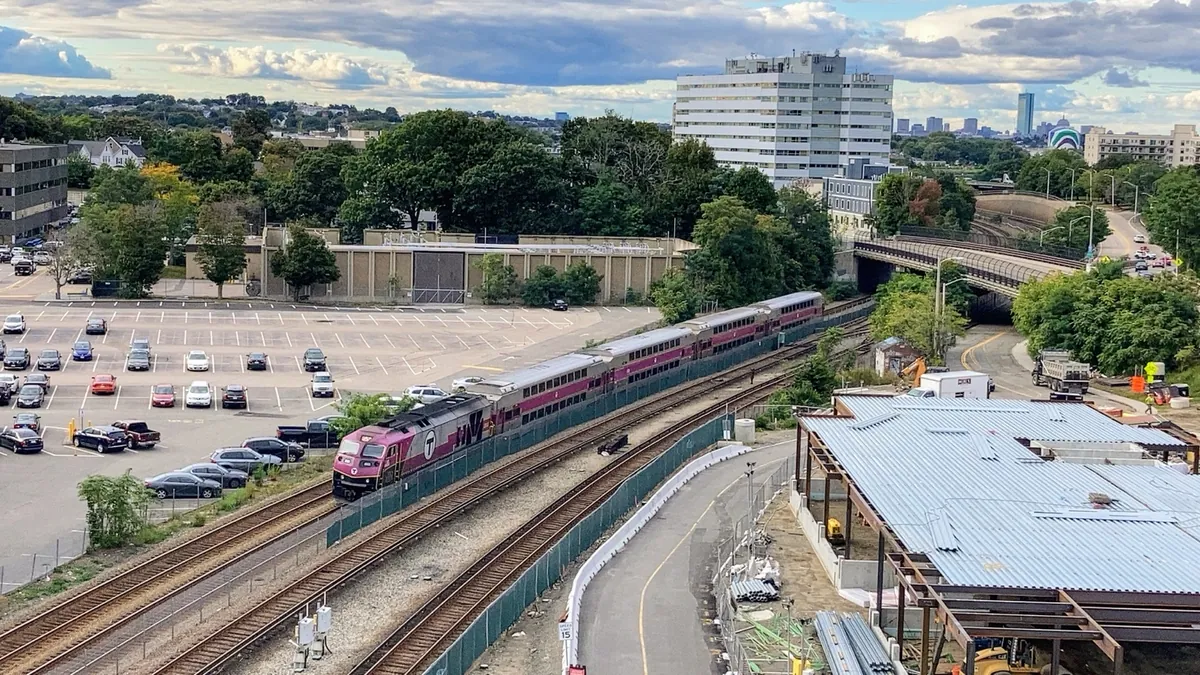
MBTA’s locomotive procurement fits into a wider regional rail modernization program rather than a standalone fleet decision. The agency describes the program as a phased effort to move Commuter Rail toward more frequent, bidirectional regional service while advancing decarbonization, including early infrastructure work and electrification planning that uses both battery and catenary technology.
MBTA has also approved a separate $54 million battery-electric train plan for the Fairmount Line, where the first train is expected in early 2028, subject to procurement.
“By procuring a mixed fleet of the cleanest diesel technology available and cutting-edge battery-electric technology, the lessons we apply in Boston will help shape the future of commuter rail nationwide,” said Derek Stegman, a project manager at STV.
News on railway transport, industry, and railway technologies from Railway Supply that you might have missed: