Madrid Metro Line 11 extension gets EUR 104m package
26.06.2026
The Madrid Metro Line 11 extension will receive EUR 104 million for equipment at new stations, including lifts, escalators, fire safety systems, overhead catenary and other operating equipment.
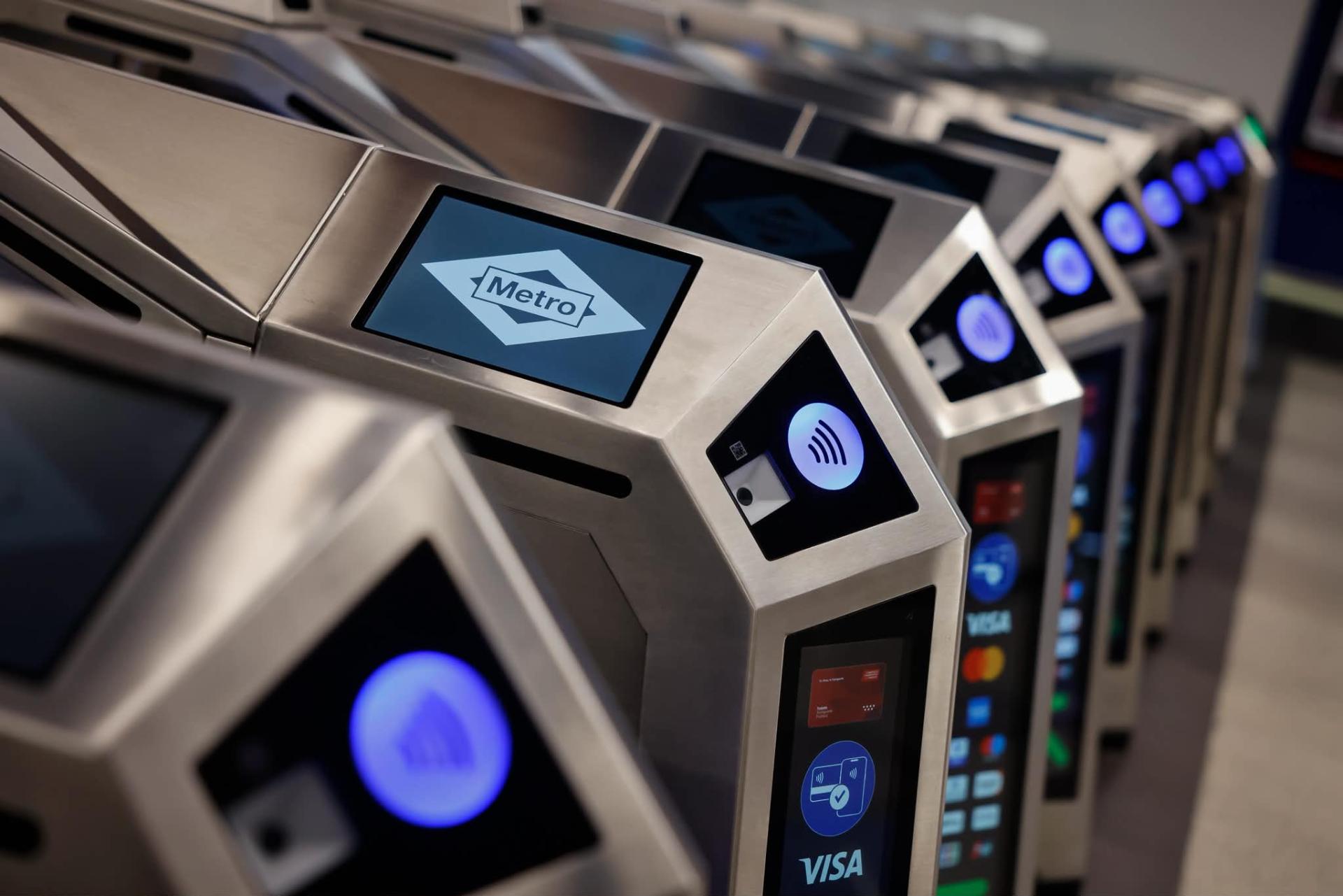
The funding covers a station equipment package linked to one of the main public transport development projects now under way in the Spanish capital.
Regional authorities have reviewed the proposed contract award, which is 15% below the original tender budget of EUR 123 million.
The contract is being handled through the Department of Housing, Transportation, and Infrastructure of the Community of Madrid. It covers the equipment needed for the first section of the planned diagonal metro corridor between Plaza Elíptica and Conde de Casal.
Madrid Metro Line 11 extension equipment package
The package includes 29 lifts and 60 escalators for the new stations on Line 11.
It also covers a full fire protection system, overhead power supply equipment and other systems required for the future operation of the route.
According to the regional authorities, these installations require separate planning from the civil engineering works because of their technical characteristics.
The Community of Madrid describes the lower contract value, compared with the initial budget, as an optimisation of public spending while maintaining the required standards for quality, safety and functionality on the strategic infrastructure project.
First section more than 45% complete
Construction is continuing on the first section of the Line 11 extension from Plaza Elíptica to Conde de Casal.
This part of the extension will be 6.7 km long and has already passed the 45% completion mark.
At the future stations, Comillas is close to 60% complete, while Madrid Río is around 58% complete. Work is also continuing at the connection points of Atocha, Palos de la Frontera and Conde de Casal.
The section is planned to enter service in 2027, and the regional authorities continue to maintain this schedule.
Mayrit TBM passed beneath the M-30
The project recently reached another technical stage when the two excavation fronts between the future Comillas and Madrid Río stations were connected.
This was achieved after the arrival of the Mayrit tunnel boring machine. The breakthrough completed the tunnel section between the two points, passing below the M-30 urban motorway and linking the two banks of the Manzanares River.
The stage is described as one of the most important since construction began and represents the halfway point in the first section of the extension.
Mayrit began boring on March 26. To date, the machine has excavated 1,116 meters, equal to 21% of the planned route, and has placed 656 rings for the tunnel’s permanent lining.
The tunnel boring machine was manufactured in Germany and is equipped with advanced technology. It moves forward at an average speed of 15 meters per day, with occasional peaks reaching 30 meters per day.
Line 11 as a future diagonal route
Madrid authorities present the Line 11 extension as the project that will turn the route into the main diagonal axis of the metro network.
The new infrastructure is expected to improve links between districts and new urban development areas, shorten journey times and reduce the need for transfers.
The project is also intended to ease pressure on other busy metro lines, especially Line 6, known as the Circular, which is the most heavily used line in the Madrid network.
Authorities point in particular to the section of Line 6 between Plaza Elíptica and Avenida de América, where the extended Line 11 is expected to absorb part of the current demand.
What will change for passengers?
For passengers, the Line 11 extension is not limited to a new metro section between Plaza Elíptica and Conde de Casal. The official project page states that the route will connect with Metro lines 1, 3 and 6, as well as Atocha-Renfe, while Conde de Casal is planned as an intermodal station with transfer to Line 6 and the future transport interchange. The Community of Madrid also expects the extension to add more than 27,500 people per day to the Metro network by 2035. In the wider plan, Line 11 is presented as a future diagonal corridor linking Cuatro Vientos and Valdebebas.
Work on the project started in November 2022. The first section remains scheduled for completion in 2027.