Madrid C-5 tunnel modernization set for safety works
10.06.2026
Madrid C-5 tunnel modernization is moving forward through a EUR 102.54 million Adif tender to adapt tunnels on one of Spain’s busiest urban rail corridors, which carries around 72 million passengers each year.
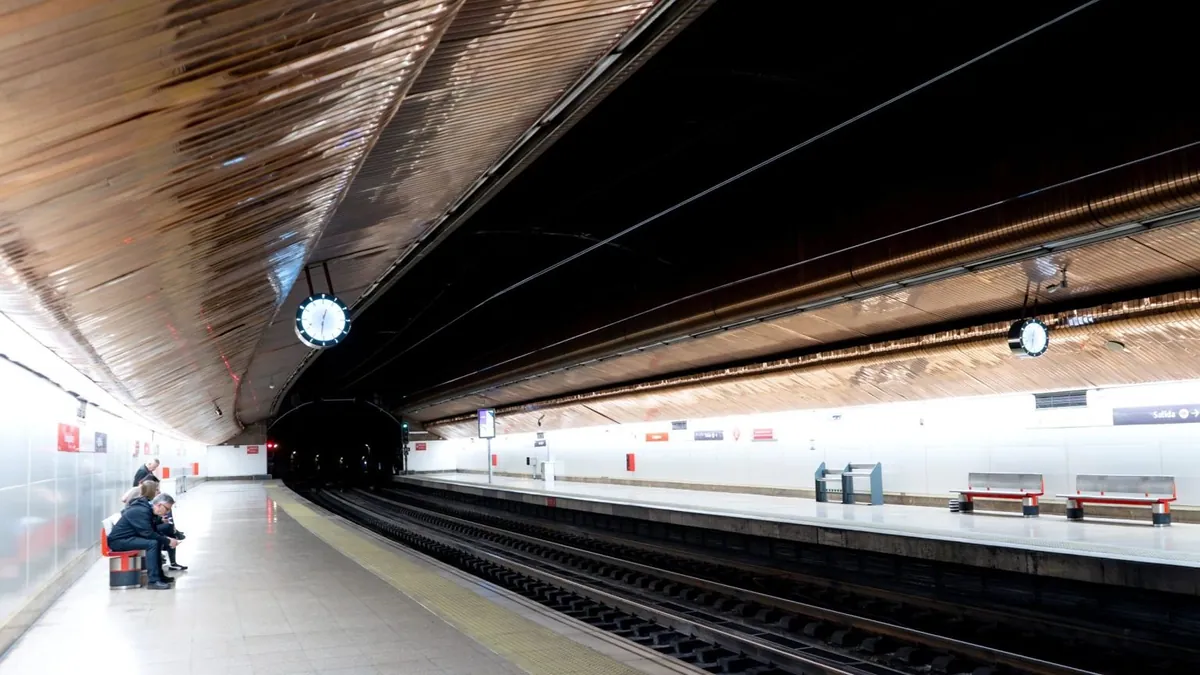
The planned works aim to raise safety standards, particularly for evacuation procedures inside the tunnels. The project covers infrastructure upgrades as well as new civil protection and security systems.
In April, Spain’s railway infrastructure manager also launched a tender for modern signaling equipment on a section of the C-5 line.
Madrid C-5 tunnel modernization covers four tunnels
The tunnel modernization will cover the Atocha–Las Águilas, Méndez Álvaro, Doce de Octubre, and Puente Alcocer tunnels. Adif plans to carry out the works without disrupting train service. The scope includes civil engineering changes together with new systems for safety, evacuation, lighting, and communications.
The project has been structured as an integrated package, allowing infrastructure measures and safety-related installations to be coordinated at the same time. This approach is designed to shorten delivery time and avoid conflicts between separate work phases.
Safety systems and evacuation works
The wider C-5 modernization programme is valued at EUR 1.35 billion. Of this amount, EUR 650 million is assigned to infrastructure works managed directly by Adif, while the remainder is intended for rolling stock procurement and workshop modernization.
In the Atocha–Las Águilas tunnel, Adif plans to build 12 emergency exits, safety zones, and additional ventilation systems. Méndez Álvaro will receive one new emergency exit and several refuge areas. New safety areas and evacuation paths will also be created in the Doce de Octubre and Puente Alcocer tunnels.
Across all four tunnels, Adif plans to install LED lighting, communication systems, intrusion detection, CCTV, fire hydrants, and reinforced evacuation infrastructure. These measures are intended to improve response times in the event of an incident.