Gdańsk Plans Second Rail Facility for 750-Metre Trains
POLAND: Baltic Hub plans a second seven-track rail facility for 750-metre trains at the Port of Gdańsk, expanding container-handling infrastructure beside the terminal’s existing T2 facilities.
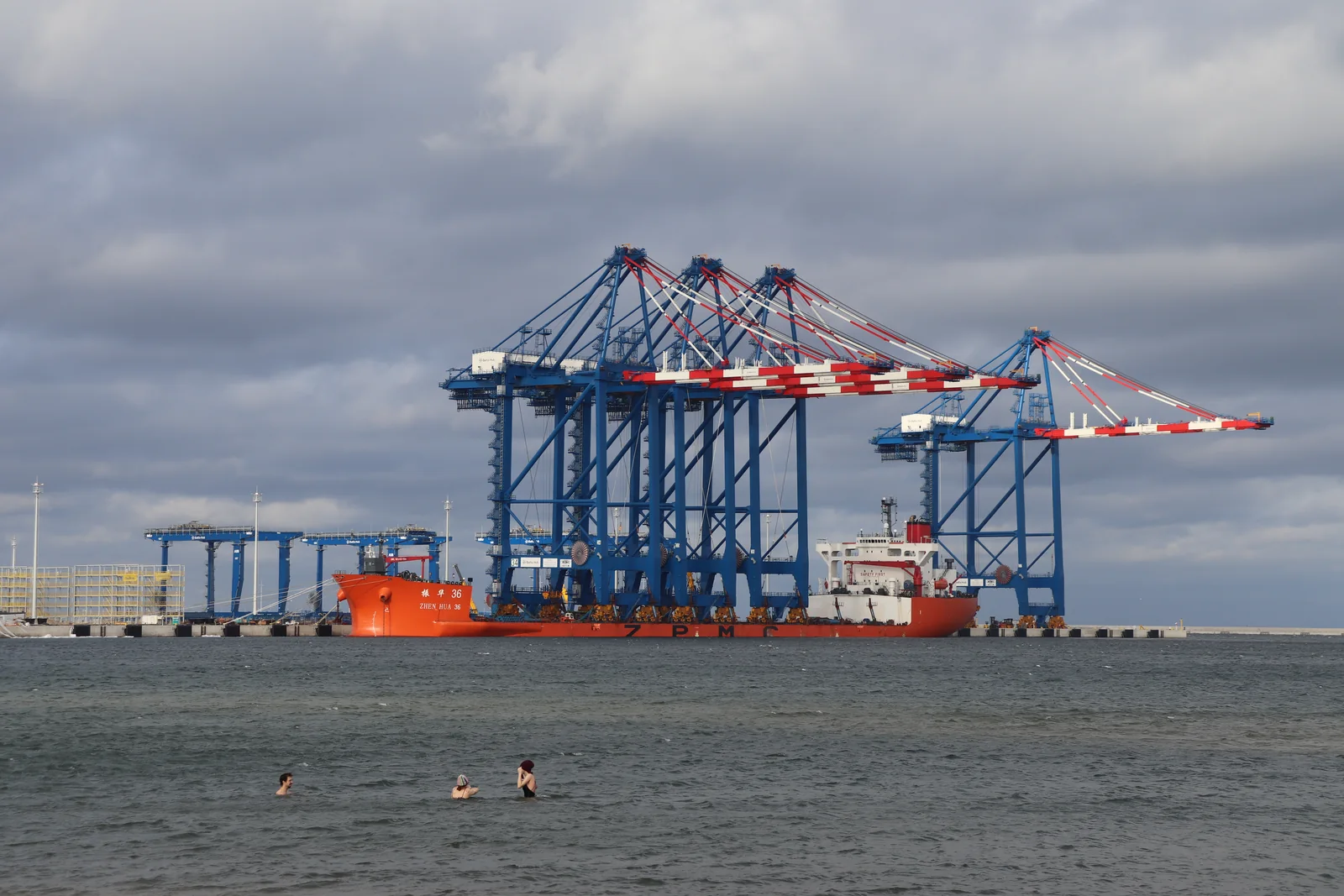
Baltic Hub and the Port of Gdańsk Authority signed a 30-year lease on 4 August 2026 covering a 27-hectare site next to the T2 deepwater terminal. The agreement followed a competitive tender and gives the terminal operator space for a new rail siding, additional container storage yards and new handling equipment.
The investment will be delivered in phases. Baltic Hub has not disclosed its value or a detailed completion timetable, so the project remains a planned expansion rather than an operating capacity increase.
Seven tracks planned for the second rail facility
An April 2026 Port of Gdańsk update described the rail project more precisely as a second seven-track railway siding with tracks 750 metres long. The specification matches the train length already accommodated by Baltic Hub’s existing rail terminal.
The leased property already has rail access and sits immediately beside T2. Baltic Hub said these characteristics make it the most practical location for a second rail facility serving the container terminal, with additional storage yards planned on the same site.
Don’t miss…Norfolk Southern Crossing Closures Run Through Aug. 14
Existing terminal already has seven 750-metre tracks
The new facility is planned as a second rail installation alongside Baltic Hub’s current terminal. Baltic Hub’s terminal specifications list seven railway tracks and four rail-mounted gantry cranes dedicated to rail operations.
The existing terminal reached that configuration through the T2B rail programme, which extended tracks from 618 to 750 metres and increased their number from four to seven. In July 2024, Baltic Hub reported that a fourth electric RMG crane had lifted annual rail-handling capacity to more than 800,000 TEU, while the terminal was handling more than 600 trains per month at that time.
The planned project would therefore place a second seven-track, 750-metre facility alongside an existing seven-track rail terminal. That provides a clearer measure of the physical expansion than the lease area alone.
More rail capacity for inland container flows
The Port of Gdańsk wants the new infrastructure to support a larger shift of container traffic from road to rail. Baltic Hub says the added rail and yard capacity is intended to strengthen hinterland connections serving Poland and markets across Central and Eastern Europe, including the Czech Republic, Slovakia and Ukraine.
The exact construction sequence, investment cost and commissioning date have not been announced. For now, the confirmed change is the 30-year lease and the plan for a second seven-track rail facility designed around 750-metre freight trains.
News on railway transport, industry, and railway technologies from Railway Supply that you might have missed: