Class 99 locomotives move closer to July launch
Class 99 locomotives built by Stadler are closer to regular operation after GB Railfreight completed another stage of testing.
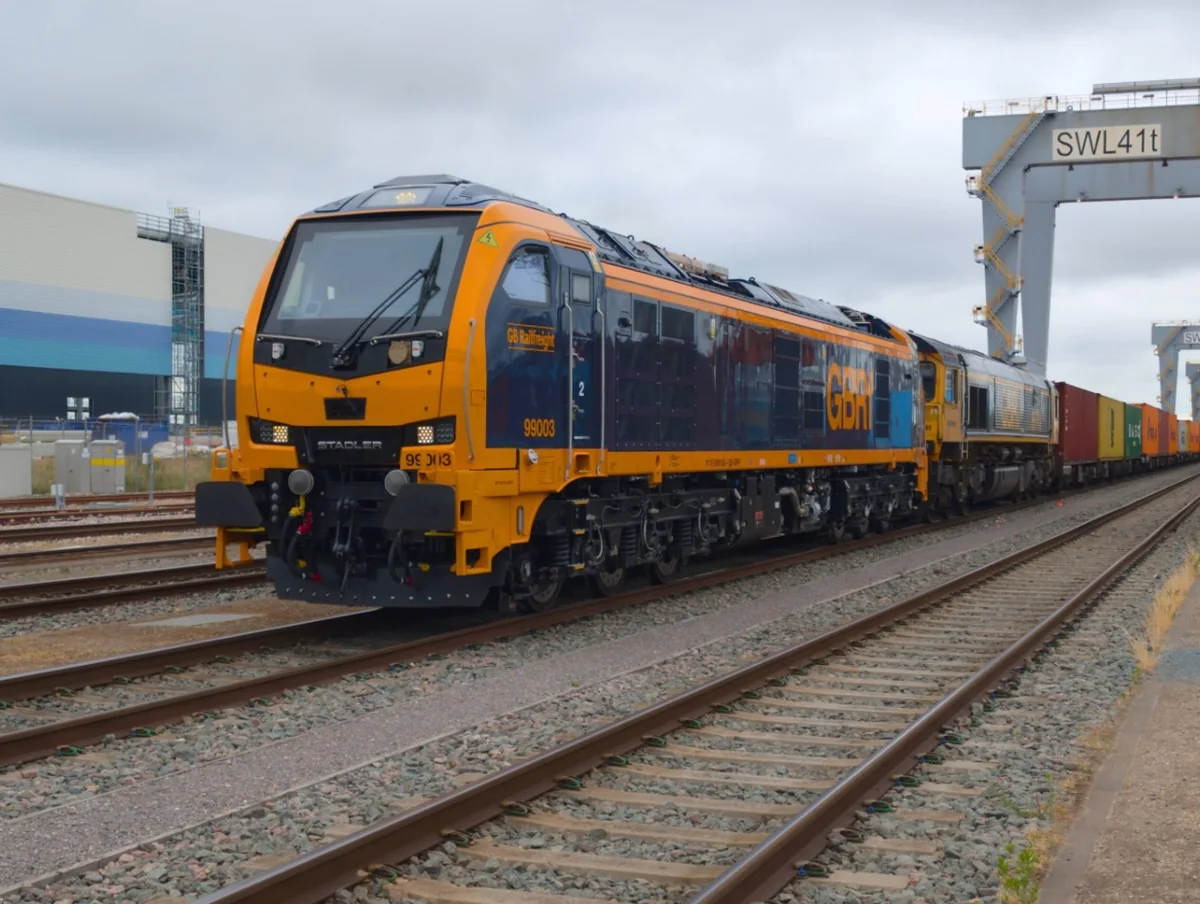
The UK rail freight operator carried out an operational trial in cooperation with Maritime Transport and DP World. The test involved an intermodal train running between the London Gateway terminal and the Hams Hall rail freight terminal.
Class 99 locomotives tested on a UK freight route
The exercise forms part of the closing phase of the testing and certification program before the locomotives enter commercial service, which is scheduled for July. It allowed the operator to check the vehicles in real operating conditions on one of the UK’s main logistics corridors.
The London Gateway–Hams Hall run showed how the new bimodal locomotives can operate on demanding freight routes and support intermodal transport in the UK. The operation also comes amid growing pressure to reduce carbon emissions in transport, where investment in such technologies is considered essential for the future of British logistics.
Preparations continue before commercial service in July
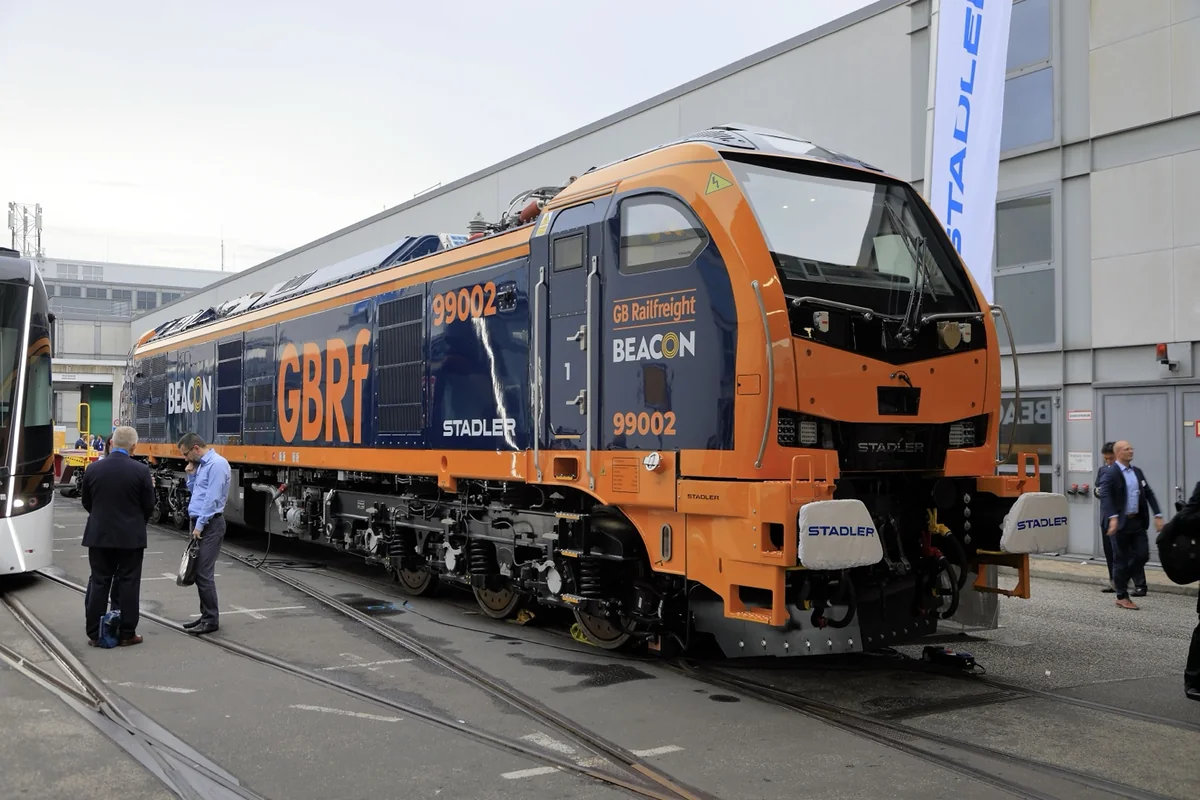
The latest stage coincides with the arrival of locomotive 99010 at the port of Avonmouth. It is the newest unit delivered from the Class 99 series, as GB Railfreight continues preparations for the start of commercial services with the new generation of vehicles.
The fleet has been developed for current rail freight needs by combining electric traction with the operational flexibility of diesel traction. This allows the locomotives to work on both electrified and non-electrified routes, while reducing environmental impact and optimizing operating costs.
John Smith, CEO of GB Railfreight, said:
“This is one of the final milestones before the Class 99 locomotives enter full commercial service, and it’s exciting to see an intermodal train hauled by one of these new locomotives on the network. “The Class 99 represents a major shift for our industry, reinforcing rail freight’s position as the cleanest and most productive way to transport goods across the country,”
Context
GB Railfreight’s Class 99 programme covers 30 bi-mode locomotives procured with Beacon Leasing and Stadler in Spain. The operator describes the Class 99 as a Co–Co locomotive that combines 25 kV AC electric and diesel operating modes, which explains why the current tests focus on operation across different types of infrastructure. GB Railfreight also says the fleet is intended to replace outgoing Class 66 locomotives and cut emissions by around 50% per journey.
The Class 99 locomotives are considered a key element in the strategy for developing rail freight transport in the United Kingdom. Their ability to operate across different infrastructure types and haul long-distance intermodal trains helps increase rail’s competitiveness against road transport and accelerate the decarbonization of the British logistics sector.


