Great British Railways may buy new trains instead of leasing them
Great British Railways (GBR) will stop treating train leasing as the default for new fleets, a model that cost franchised operators £2.7bn in leases from rolling stock companies in 2024-25.
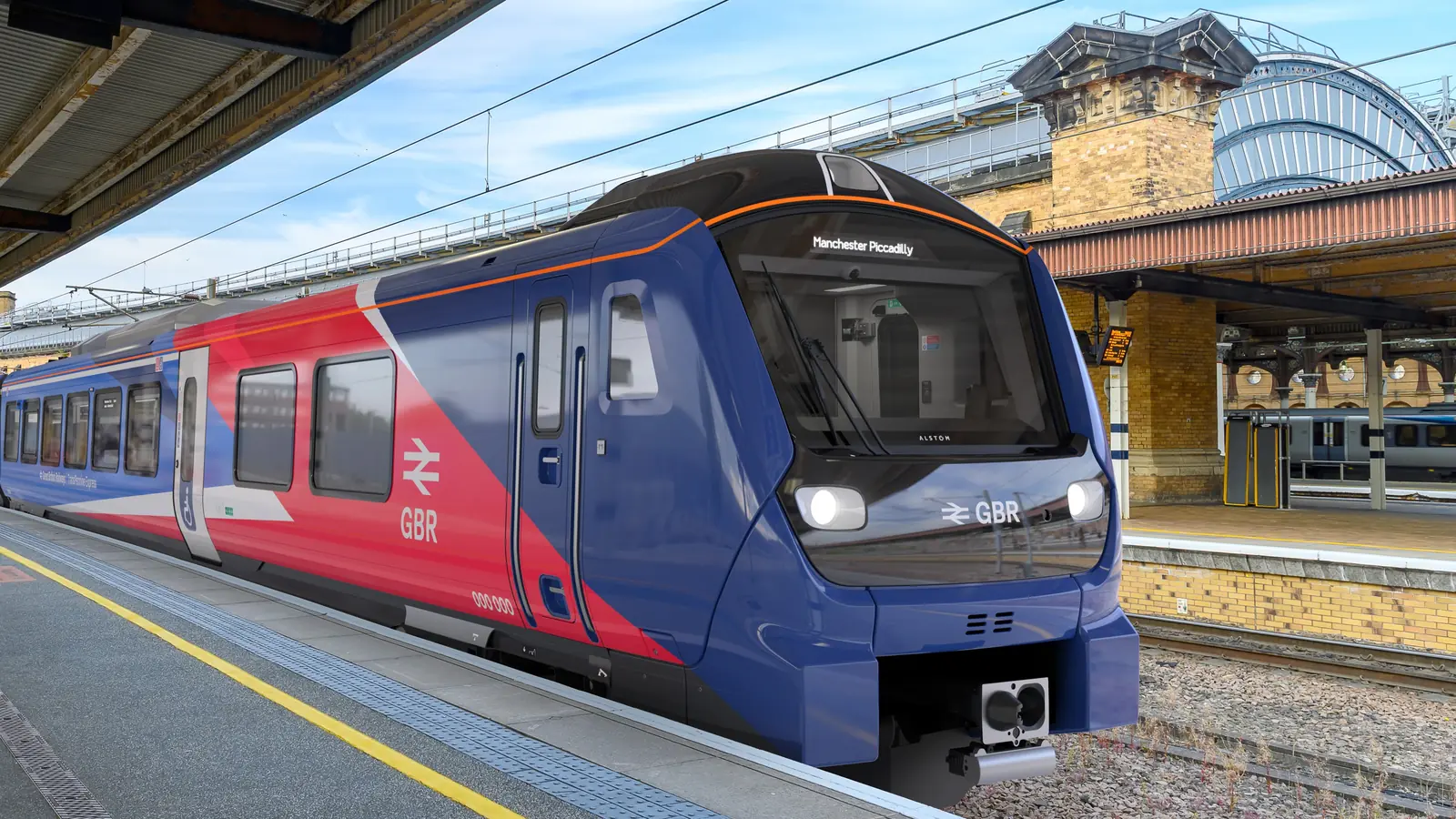
The shift is set out in the rolling stock and infrastructure strategy published on 28 September 2026 by the Department for Transport and DfT Operator Limited. For every new fleet, GBR will compare leasing, direct public ownership and other ways of financing trains, and will pursue ownership where that assessment shows the strongest overall result.
What the ownership test weighs
Each assessment will look at whole-life and whole-system costs and value. It will also weigh deliverability, how risk is allocated, operational flexibility and whether GBR can own and manage the trains effectively. The strategy does not dismiss leasing. It credits rolling stock companies with bringing private capital and specialist asset management, but argues that public ownership gives more direct control over a fleet run as one national system.
Neither the strategy nor the Department for Transport announcement names a first fleet for assessment or puts a figure on possible savings. The department says only that owning trains could save money for passengers and taxpayers in some cases.
Most existing fleets stay leased
Since privatisation, rolling stock companies have owned most passenger trains and leased them to operators by default. Current leases will be honoured. The strategy expects existing fleets to remain largely leased, with GBR handling lease extensions, refurbishment, life extension and redeployment as one national portfolio.
What leasing costs today
The Department for Transport puts the yearly cost of leasing and maintaining trains at more than £4bn, borne by taxpayers and passengers. It also cites Office of Rail and Road figures showing that rolling stock company dividends came to more than £2.5bn over the last 10 years.
The regulator’s rail industry finance statistics for April 2024 to March 2025 show franchised passenger operators spent £4.1bn on rolling stock. Leases from rolling stock companies took £2.7bn and maintenance £1.5bn, with £61m of other rolling stock income reducing the total. The average age of rolling stock rose by 0.1 years to 16.7 years.
| Measure | 2024-25 | Change |
|---|---|---|
| Total income | £1.3bn | Down 29.2% on 2019-20 |
| Total expenditure | £1.0bn | Down 36.7% on 2019-20 |
| Net profit margin | 18.5% | Down 3 percentage points on 2023-24; up 10 points on 2019-20 |
| Dividends to shareholders | £275m | Down £64m (18.9%) on 2023-24; up 59.1% on 2019-20 |
Rolling stock companies paid less in dividends in 2024-25 than a year earlier, but more than five years before. The figures cover six companies: Angel Trains, Beacon Rail Finance (Europe), Eversholt Rail Leasing, Porterbrook Leasing Company, VTG Rail UK and Corelink Rail Infrastructure. Earlier years are shown in 2024-25 prices, adjusted with the Consumer Prices Index. Source: Office of Rail and Road, Rail industry finance (UK), April 2024 to March 2025, paragraphs 2.37 to 2.39.
Liverpool City Region’s publicly owned Class 777 fleet
Public ownership of passenger trains already exists in Britain. Liverpool City Region Combined Authority has put more than £500m into a publicly owned fleet of Class 777 trains for the Merseyrail network. Its mayor, Steve Rotheram, presents it as the country’s first public train fleet in a generation.
Why the decisions are due now
The strategy says a substantial part of the existing fleet is nearing the point where it must be replaced, refurbished or have its life extended. New trains bought now will shape the railway for 35 to 40 years. About 4,000 diesel and diesel-hybrid passenger vehicles are due to come to the end of their working lives over the coming decades.
GBR intends to replace most of them with battery-electric multiple units. These will be supported by targeted electrification of roughly a quarter of the currently non-electrified network, or equivalent charging capability. The strategy follows the recent £1bn award to Alstom for UK-made battery-powered trains for the Transpennine Route Upgrade, which the government says secures hundreds of jobs in Derby.
What changes for suppliers and maintainers
GBR will become the single buyer for new fleets, replacing procurement by individual operators. Orders will be grouped into a small number of “fleet families” for intercity, regional express, commuter and metro services. A Fleet and Infrastructure Plan will give manufacturers a forward view of expected train and infrastructure work. The plan does not approve or fund schemes, which still need business cases.
| Fleet family | Services | Design emphasis |
|---|---|---|
| Intercity | High-speed, long-distance links between major cities | Comfortable seats, tables, luggage and cycle space, family areas and catering |
| Regional Express | Medium- and long-distance routes linking cities, towns and rural areas | Mostly seated travel with room for luggage and cycles; some standing on specific routes |
| Commuter | Suburban and outer-suburban journeys into and around big cities | A mix of seats and standing room, quick boarding and space for cycles |
| Metro | Frequent, busy urban services; one variant could serve remote rural and coastal lines | Standing room and easy movement inside the train, with facilities sized for short trips |
New orders will be grouped by type of journey rather than specified route by route. Trains in one family will share design principles, capabilities and interfaces, although they will not all be identical. Source: Great British Railways, rolling stock and infrastructure strategy, section 2.2.
Maintenance is covered too. Manufacturers will normally support new fleets in their early years, but GBR does not see long-term maintenance by the manufacturer as the default. It will seek knowledge transfer and access to technical documentation, diagnostics and software. That would let it choose later between the manufacturer, a third party, its own staff or a mix. Depot arrangements will be reviewed site by site as leases and depot facility agreements come up for renewal.
From 1 January 2027, GBR and central government bodies will also give social value a weighting of at least 20% in covered procurements worth £5m or more.


