BNSF Says UP–NS Merger Remedies Leave Shipper Gaps
USA: BNSF is challenging the latest UP–NS merger remedies, arguing that expanded pricing, switching and dispute-resolution protections still cover too little freight traffic to offset the proposed deal’s competitive impact.
BNSF says protections remain narrow
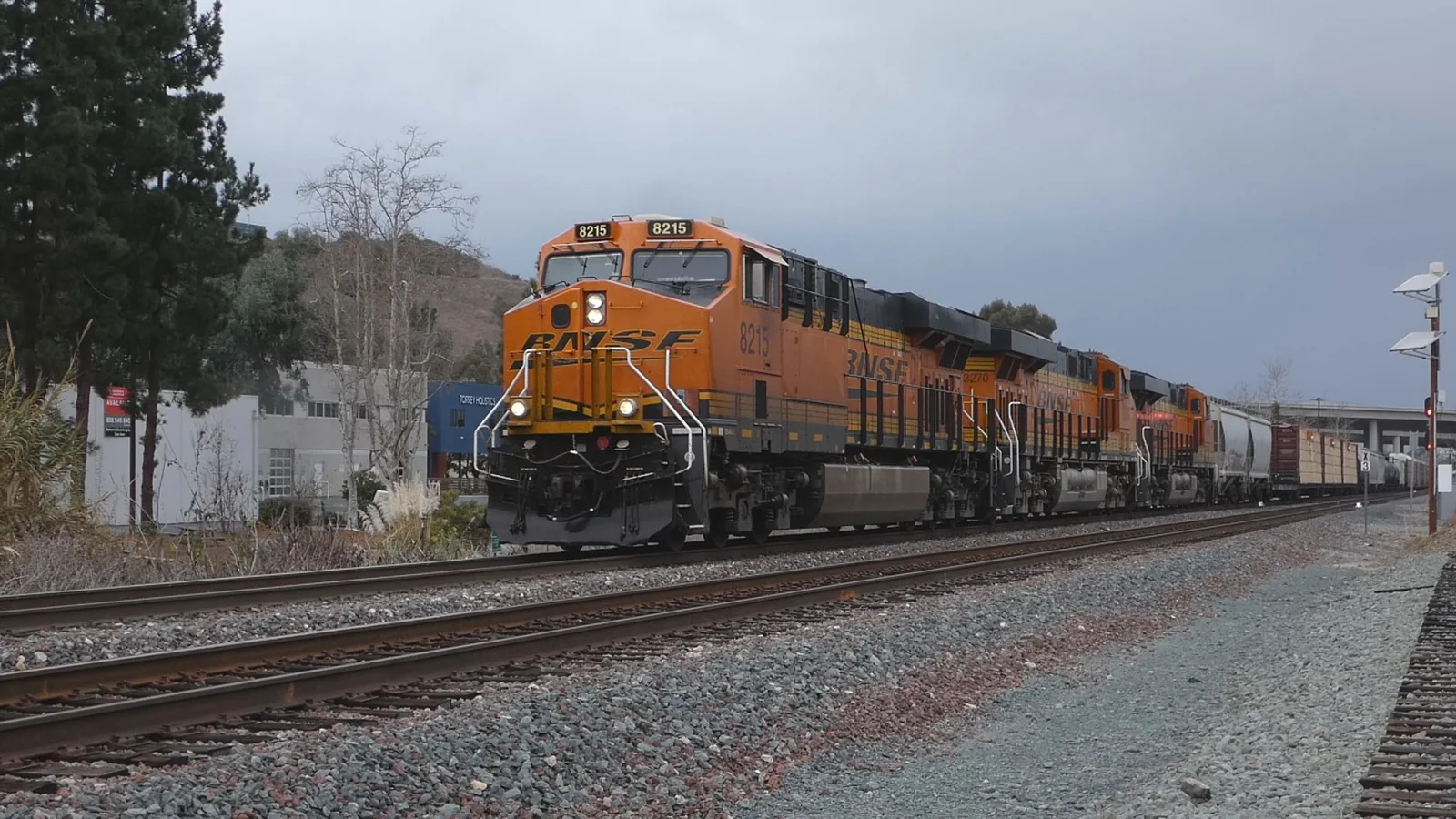
BNSF says the latest voluntary conditions do not solve its core competition objection to the proposed Union Pacific–Norfolk Southern merger. The railroad argues that expanded Committed Gateway Pricing, temporary access remedies and dispute-resolution processes are too limited in eligibility, duration or timing to prevent competitive harm.
According to BNSF, expanded CGP still applies to less than 1% of U.S. rail traffic. It also says Union Pacific acknowledges that 60% of eligible shippers would receive higher rates under the program. BNSF further argues that some remedies could expire after as little as three years and that portions of intermodal, unit-train and contract traffic remain outside the protections.
Don’t miss…Amtrak Completes $3.5M Huntingdon Station Improvements
UP–NS says the changes widen customer options
Union Pacific and Norfolk Southern present the same measures differently. In a July 28 customer notice, Union Pacific said the expanded CGP program roughly doubles eligible shipments from about 134,000 to 258,000 a year and, for the first time, includes agricultural and other bulk unit-train traffic.
The applicants also propose a Targeted Access Program that would provide temporary access to alternative rail service if service performance deteriorates during merger integration. They say facilities whose Class I options would fall from two railroads to one, or from three to two, would receive access to another Class I carrier where the applicants can legally grant it. A separate Rate Alternative Dispute Resolution process is intended to provide faster relief if expected merger benefits are not delivered on time.
Union Pacific’s broader competition argument is that the end-to-end combination would create seamless single-line coast-to-coast service while keeping gateways open. The company says Committed Gateway Pricing would let CSX or BNSF quote customers a single through rate on qualifying interline moves, giving competing railroads a more direct way to market service using part of the combined network.
STB has not ruled on the remedies
The Surface Transportation Board accepted the revised merger application for consideration on May 28 but held the proceeding in abeyance while seeking supplemental information. UP and NS filed their final supplemental response on July 27.
The Board has not approved the transaction or determined that the proposed protections preserve and enhance competition. That unresolved question is central to BNSF’s latest challenge: whether narrower customer remedies can offset the competitive effects of combining two Class I railroads into a network that BNSF says would handle about half of U.S. freight rail traffic.
News on railway transport, industry, and railway technologies from Railway Supply that you might have missed:


