
MTA Vacuum Train Fire at Astor Place Injures 14 People
USA: An MTA vacuum train fire at Astor Place injured 14 people, filled the Manhattan station with smoke and disrupted Lexington Avenue subway service before the morning rush.
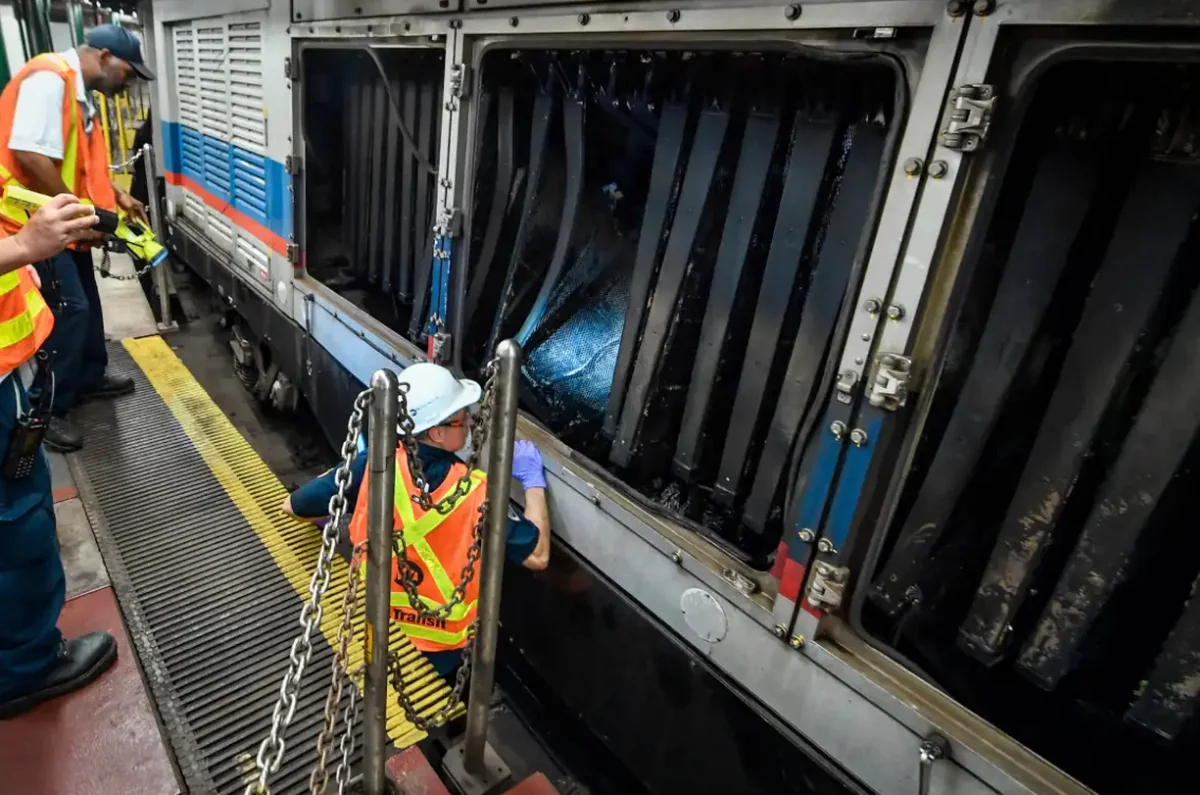
Fire focused attention on a maintenance work train
The fire broke out in the early hours of Tuesday, August 4, on a southbound four-car vacuum train operating through Astor Place. The initial report said smoke spread through the station and tunnel areas, while passengers from a northbound train were escorted toward exits. Fourteen people were injured and no fatalities were reported.
According to reporting based on FDNY statements, firefighters deployed hose lines, supplied the vacuum train’s onboard sprinkler system and attacked fire in the train’s filter compartment. The cause remained under investigation.
The incident temporarily suspended 4 and 6 service between Grand Central–42nd Street and Brooklyn Bridge–City Hall. The 5 line was also affected by rerouting and congestion on the shared Lexington Avenue corridor. Full service on the 4, 5 and 6 lines was reported restored at about 6:50 a.m., with residual delays easing afterward.
Don’t miss…Indian Railways Kavach Rollout Reaches 2,633 Route Km
Why MTA uses vacuum trains?
Vacuum trains are specialized maintenance equipment used to remove trash, dust and other debris from subway tracks rather than carry passengers. They normally work outside peak periods so cleaning can be performed with less interference to regular service.
MTA has previously treated this equipment as part of its track-fire prevention strategy. In its official Operation Track Sweep programme, the authority said debris removal could reduce track fires and delays. In 2016, MTA said three new vacuum trains ordered for that programme could remove up to 14 cubic yards of trash per day. That published capacity referred to the trains ordered under the 2016 programme and is not a confirmed specification for the four-car train involved at Astor Place.
Investigation remains the key next step
The precise ignition source had not been publicly announced in the available updates. The affected vacuum train was expected to remain out of service while inspections and repairs proceeded.
As of August 7, Railway Supply did not identify a separate public MTA announcement describing a fleet-wide withdrawal of vacuum trains or a special system-wide inspection programme after the Astor Place fire. The confirmed next step therefore remains the investigation of the involved equipment and the cause of the blaze.
That distinction is important for the maintenance angle: the incident involved equipment intended to remove combustible debris from the subway environment, but the available information does not establish that the cleaning function itself caused the fire.
News on railway transport, industry, and railway technologies from Railway Supply that you might have missed:


