BART Adds Three Substations, Lifting Power Capacity 20%
USA: BART has placed three new traction power substations into service in San Francisco and Oakland, increasing core M-Line power capacity by about 20% and strengthening redundancy.
Three locations reinforce BART’s power network
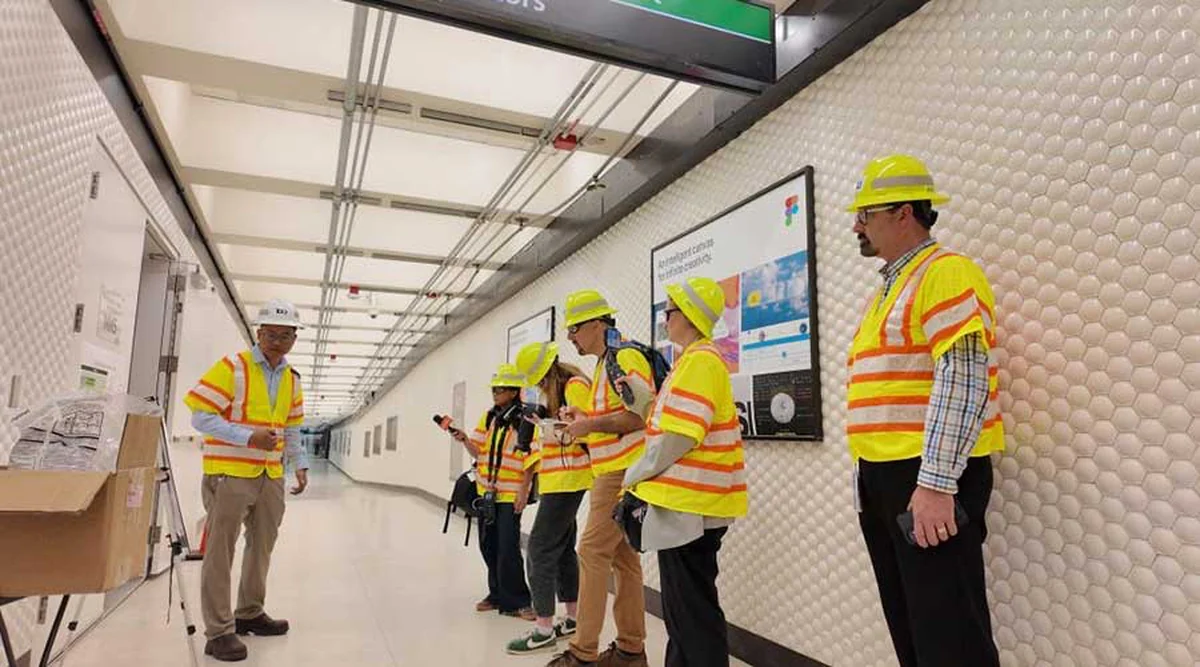
The substations entered service between January and June 2026 at Civic Center/UN Plaza Station, Montgomery St. Station and near the Oakland entrance to the Transbay Tube. According to BART’s announcement, the facilities can supply traction power from multiple locations when another substation is unavailable for planned maintenance or an unexpected outage.
Traction power substations distribute electricity to the third rail that powers BART trains. The new equipment improves voltage performance and reduces stress on older electrical assets during periods of heavy demand. BART now operates 136 traction power facilities across its network.
The three sites strengthen redundancy in the system’s busiest core: power can be rerouted during maintenance or an unplanned outage, reducing the risk that a single unavailable facility will disrupt operations.
Don’t miss…Etihad Rail Ticket Sales Top 70,000 After Service Launch
Upgrade supports more trains through the Transbay Tube
The roughly 20% increase is measured against baseline power capacity on the M-Line through the core. It does not by itself create an immediate 20% service increase; the substations are one part of the wider Transbay Corridor Core Capacity Program.
BART’s program combines additional traction power with 306 more railcars, communications-based train control and a new storage yard at the Hayward Maintenance Complex. The agency currently lists a maximum of 24 trains per hour in each direction through the Transbay Tube and is working toward up to 30 ten-car trains per hour in each direction.
Six substations are included in the current program. With the first three operating, construction of additional facilities in Richmond, Concord and Oakland is expected to begin within the next year. Most funding comes from voter-approved Measure RR, supplemented by the core-capacity program, the Federal Transit Administration and BART funds.
News on railway transport, industry, and railway technologies from Railway Supply that you might have missed:


