Baby Born on VR InterCity Train as Crew Coordinates Emergency Response
14.08.2026
FINLAND: A passenger gave birth aboard VR’s IC49 from Helsinki to Vaasa on 11 August, after which train staff contacted emergency services and an ambulance met the mother and newborn at Seinäjoki; the service then continued without significant delay.
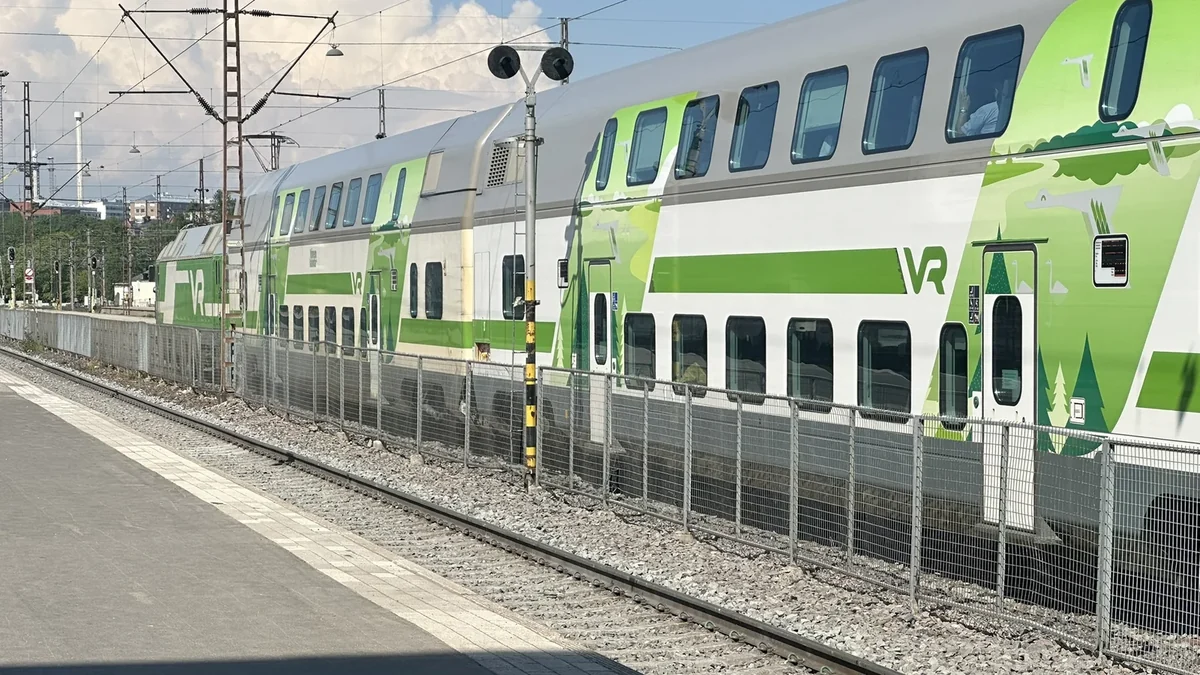
The birth turned an otherwise scheduled long-distance journey into an unusual medical response. Additional reporting adds an operational detail absent from the original source: VR says its personnel have predefined operating models for sudden health incidents and are trained to assist passengers in exceptional situations.
VR says crews work to predefined emergency procedures
VR communications manager Tiina Nummenmaa has said that, in sudden health situations, personnel follow predefined operating models and establish contact with both the emergency response centre and healthcare professionals. Yle separately reported that VR staff are trained to help passengers in different kinds of exceptional situations and that the train crew handled this case calmly and professionally.
That fits the broader role VR assigns to conductors. In its public description of conductor work, the company says conductors are responsible for customers and their safety, must work well under pressure and are expected to help passengers in different situations.
The public material does not disclose VR’s detailed internal medical protocol, and there is no verified evidence that any particular internal procedure was formally activated on IC49. The useful distinction is narrower: VR says crews are prepared for sudden health situations, and the documented response in this case included contacting emergency services and transferring the mother and newborn to medical care at Seinäjoki.
Don’t miss…Huddersfield’s £70m Station Upgrade Moves to Platforms 4–6 Before 38-Day Christmas Closure
Finland’s 112 system sits at the centre of the response chain
Finland’s Emergency Response Centre Agency says a dispatcher assesses an emergency call and determines whether the situation requires emergency medical services, police, rescue services, social emergency services or the Border Guard. The agency describes the emergency response centre as a central link between people needing help and the authorities that respond.
Location is a critical part of that process. The agency’s guidance on locating callers says the event location is essential so responding authorities can find the scene quickly. Technology can provide location data, but the emergency centre also verifies location verbally.
Those general rules explain the emergency-service side of the chain, but they do not establish who chose Seinäjoki as the meeting point for IC49, why that station was selected or whether any special operational adjustment was made for the transfer. No authoritative public source located in this research establishes those details.
What is known about the handover at Seinäjoki
The mother and newborn left IC49 at Seinäjoki, where an ambulance had been called to meet them. The precise circumstances of the birth have not been disclosed by VR. Ilta-Sanomat reported that at least one other passenger assisted the mother, but VR has not confirmed that account.
The train then continued towards Vaasa. VR said the journey proceeded largely according to schedule and that the incident did not cause significant delays. The company also says it is not aware of another comparable birth on one of its trains in recent years, while stressing that it cannot verify whether a birth ever occurred aboard a VR train at some earlier point in its history.
VR is now trying to contact the family
The story gained a follow-up on 13 August. Yle reported that VR had published a social-media appeal seeking the family because the company wanted to remember the event with a gift.
That follow-up should not be turned into a confirmed “first-ever VR train birth.” VR’s own qualification remains important: the operator says it does not know of a precedent, but it cannot establish the full historical record with certainty.
News on railway transport, industry, and railway technologies from Railway Supply that you might have missed: