Yonge North Metro Extension Opens Bidding on Three Packages
10.07.2026
The Yonge North Metro Extension has entered the proposal stage for its stations, rail infrastructure, and systems contract under a Progressive Owner-Formed Alliance procurement model.
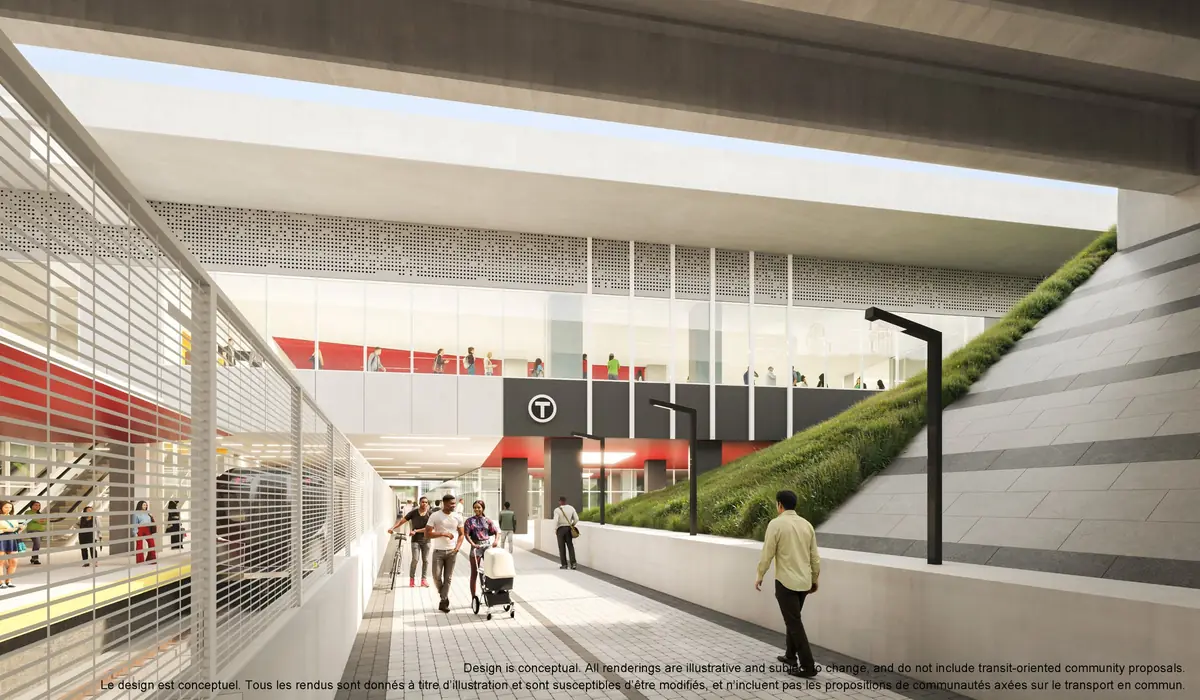
Metrolinx and Infrastructure Ontario issued the Request for Proposals. The project is one of the most significant expansions of the Greater Toronto Area’s metro network.
After the prequalification phase in October 2025, the two agencies shortlisted 11 participants and invited them to submit proposals for one of three separate work packages.
Yonge North Metro Extension contract packages
The underground package covers Steeles, Clark, and Royal Orchard stations, along with the Finch Transition Box. Supporting facilities include traction power substations and emergency exit buildings.
Four consortia are competing for this package:
- Trillium Construction Partners — Acciona Infrastructure Canada and Amico Infrastructures;
- NorthLine Partners — Flatiron Dragados Canada and Green Infrastructure Partners;
- CrossTransit Group — Ferrovial Construction Canada and Vinci Construction Grands Projects Canada;
- North Extension Transit Alliance (NExTA) — Aecon Infrastructure Management, Pomerleau Major Projects, and Formento de Construcciones y Contratas Canada.
Above-ground elements make up the second package. Its scope covers Bridge and High Tech stations, the portal structure, and a train depot.
The four competing teams are:
- Kenaidan Murphy Joint Venture (KMJV) — Kenaidan Infrastructure and Murphy Infrastructure;
- NorthLine Partners — Flatiron Dragados Canada and Green Infrastructure Partners;
- North Extension Transit Alliance (NExTA) — Aecon Infrastructure Management, Pomerleau Major Projects, and Formento de Construcciones y Contratas Canada;
- True North Corridor Alliance — Ledcor Ontario Infrastructure and Bird Construction Industrial Services.
The third package focuses on design and systems integration, covering railway infrastructure, technological systems, and work related to the train depot.
Three candidates have been selected:
- NorthOne Integration Partner — Arup Canada, Hatch, and Egis Canada;
- NovaNorth — AtkinsRéalis Canada, NORR Architects & Engineers, and CIMA Canada;
- WSP-AECOM — WSP Canada and AECOM Canada.
Proposal timetable and development phase
The bid submission period is scheduled to end in late 2026. One winner will then be selected for each package, and each will sign an alliance agreement with Metrolinx.
During the development stage, Metrolinx and the selected partners will finalize the design, conduct investigations, and undertake preliminary work. Once this phase is complete, the contracting authority will decide whether to approve the final proposal covering the design, costs, and construction schedule.
Don’t miss…Etihad Rail passenger rules set fines up to EUR 2,380
Route, stations, and transport connections
The project will add almost 8 km to Toronto metro Line 1, continuing north from its existing Finch Station terminus to Richmond Hill. Its alignment will pass through Toronto and York Region, including areas of Vaughan, Markham, and Richmond Hill.
Plans provide for five new stations, a 6.3-km tunnel, and an elevated section following the existing rail corridor in the northern part of the route.
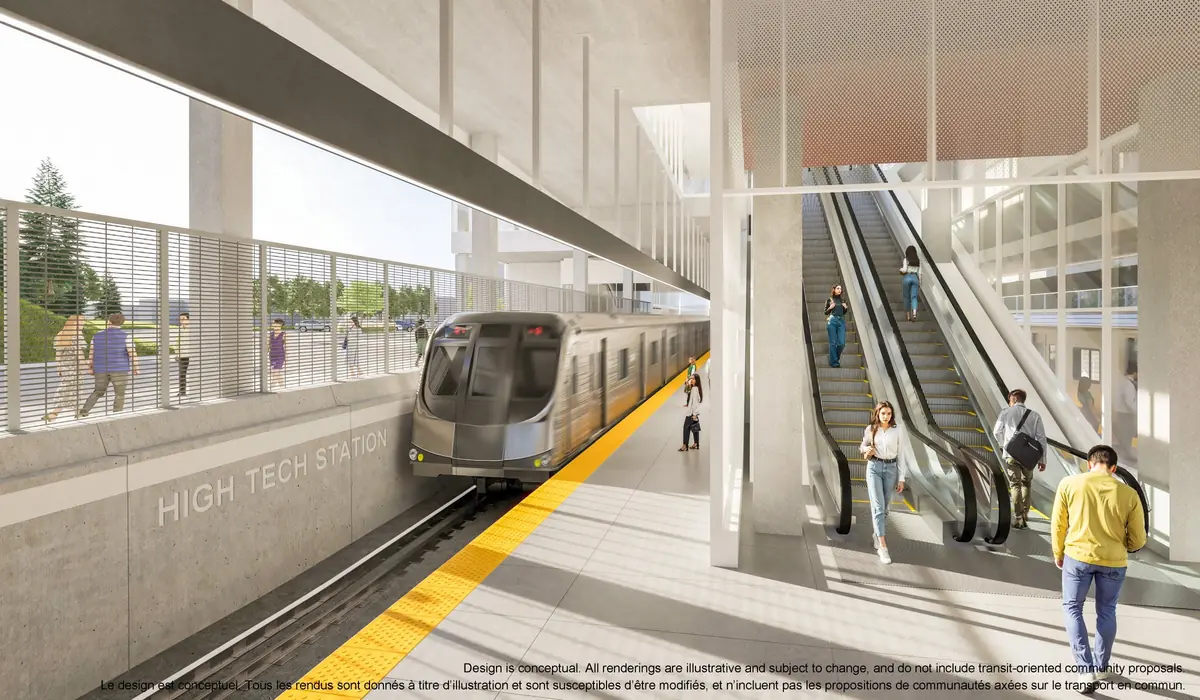
Once completed, the extension will provide direct connections to York Region Transit and GO Transit services, helping to improve mobility across the northern part of the Toronto metropolitan area.
Delivery of the wider extension has been divided into two major contracts. One covers the main tunnel, known as the Advance Tunnel, while the newly launched procurement encompasses the stations, rail infrastructure, and systems.
Metrolinx estimates that the completed extension will record more than 94,100 daily boardings and bring more than 26,000 additional residents within walking distance of a station.
The agency also projects travel-time savings of up to 22 minutes. Its official project page lists up to seven proposed connections with other transit services and says the extension will enter service after the Ontario Line is complete. Metrolinx further estimates that more than 22,900 employees will be within walking distance of a station and that the project will reduce annual greenhouse gas emissions by more than 4,800 tonnes.
News on railway transport, industry, and railway technologies from Railway Supply that you might have missed: