WMATA anniversary exhibition marks US 250 years in DC
19.06.2026
WMATA anniversary exhibition plans will mark the United States’ 250th anniversary while honoring WMATA’s 50th anniversary and its connection to the nation’s history.
The Washington, D.C.-area transit agency will also mark the anniversary with patriotic vehicle wraps and a limited-edition design for its Smart Trip card.
WMATA anniversary exhibition at the National Mall
The exhibition, titled “America’s Metro System,” will be presented during the Great American State Fair. The 15-day event is scheduled to open June 25 on the National Mall and will feature exhibitions, entertainment and cultural programming representing all 50 states, Washington, D.C., and U.S. territories.
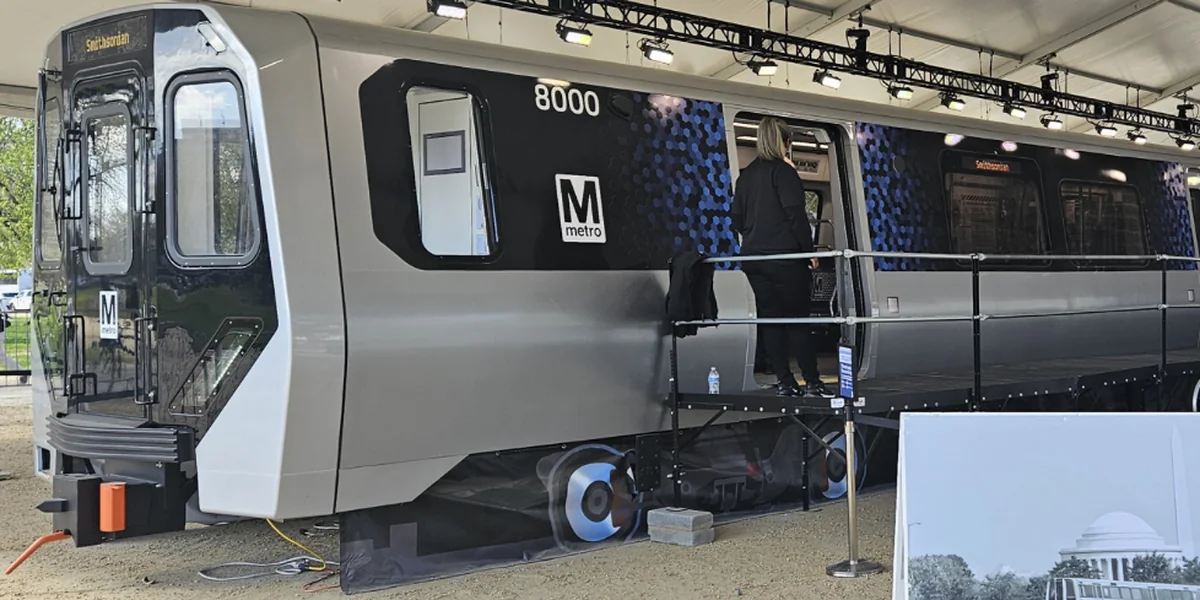
WMATA’s display will connect the agency’s past and future by pairing its first rail car from the 1976 era with a preview of the new 8000-series rail car, which is due to begin field testing in late 2027.
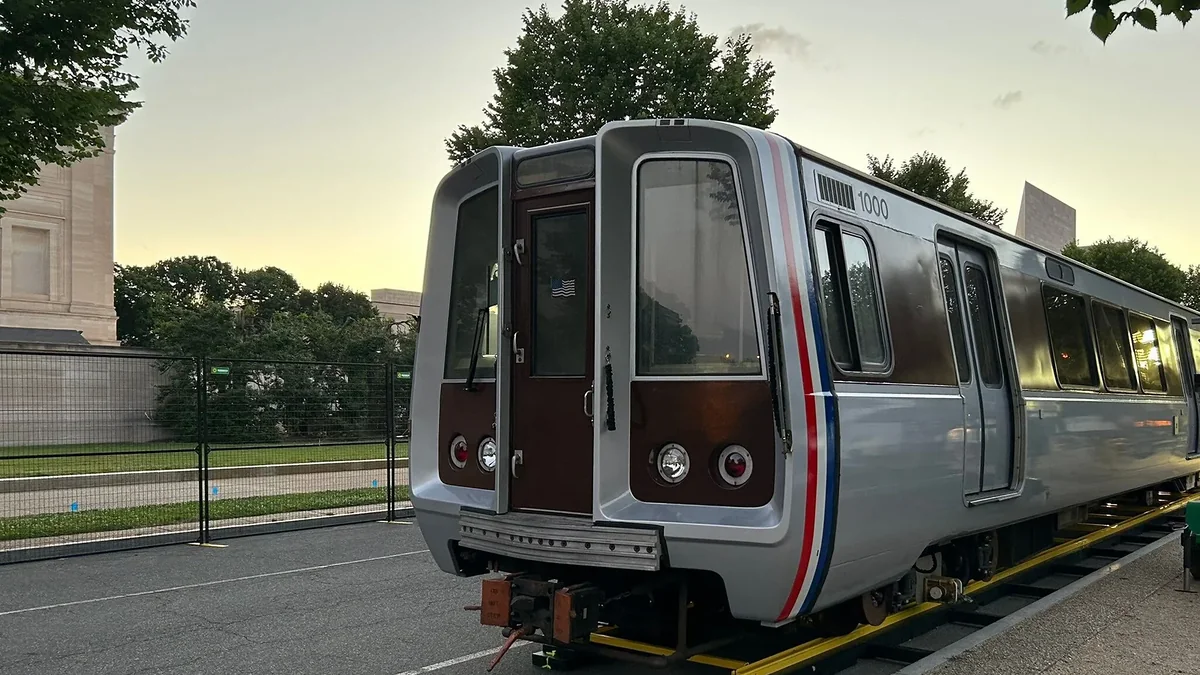
Historic rail car and 8000-series preview
The exhibit will also include archival photographs, artifacts, interactive displays, educational activities, multimedia experiences and exhibits about the future of transportation and mobility.
What will change for passengers?
For passengers and visitors, the anniversary program will be visible beyond the exhibition itself. WMATA says the “Celebrating America’s 250” wraps and Smart Trip cards will debut on June 25, with one train, three buses and a Metro Access vehicle appearing in the system. The agency also plans to release 20,000 special-edition Smart Trip cards at seven stations, including Metro Center, L’Enfant Plaza, Smithsonian, Union Station and both Washington-area airport stations, while supplies last.
Randy Clarke, WMATA’s general manager and CEO, said the exhibition reflects Metro’s role in the region over five decades.
“For 50 years, Metro has connected people across the region to jobs, schools, healthcare, culture, and opportunity,” said WMATA General Manager and CEO Randy Clarke. “This exhibition celebrates the people, partnerships, and progress that helped shape Metro’s first five decades while highlighting the important role public transportation continues to play in the future of our region and country.”