Stadler Flirt EMUs to Mazovia Reach 35 Deliveries
24.06.2026
Stadler Flirt EMUs to Mazovia now number 35 electric multiple units supplied to Koleje Mazowieckie, with this delivery stage reached within 24 months of the contracts being signed.
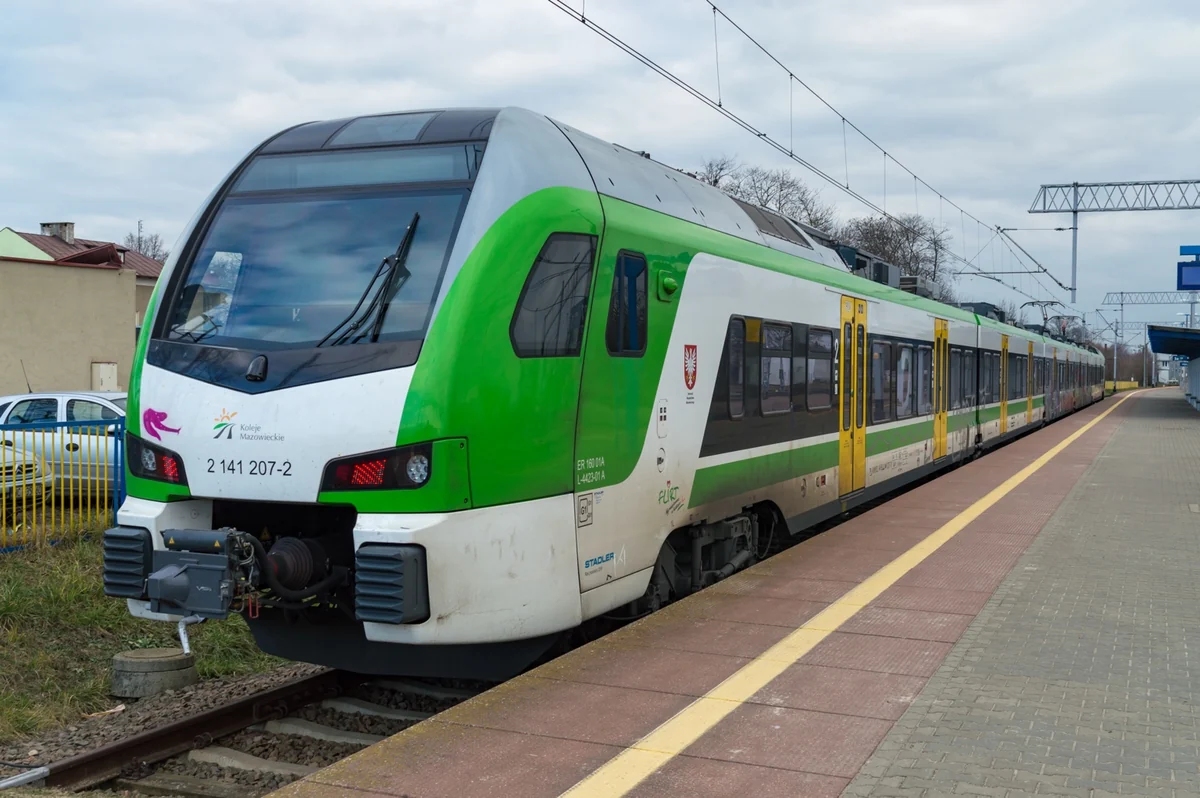
The deliveries form part of a wider rolling stock renewal programme under which the operator is to receive 75 EMUs in total. By the end of this year, Stadler will have delivered 53 units from the full order.
Rolling stock renewal for Koleje Mazowieckie
Production is being handled by Stadler Polska at its plant in Siedlce. The contract also includes 18 years of maintenance services, repair packages and training for Koleje Mazowieckie personnel.
Part of the train procurement is financed from the National Recovery and Resilience Plan, or KPO. The investment includes two main elements: an order for 11 EZT I units with PLN 323.4 million, or EUR 74 million, in funding, and a second contract for 10 EZT units valued at PLN 294 million, or EUR 67 million.
Stadler Flirt EMUs to Mazovia regional routes
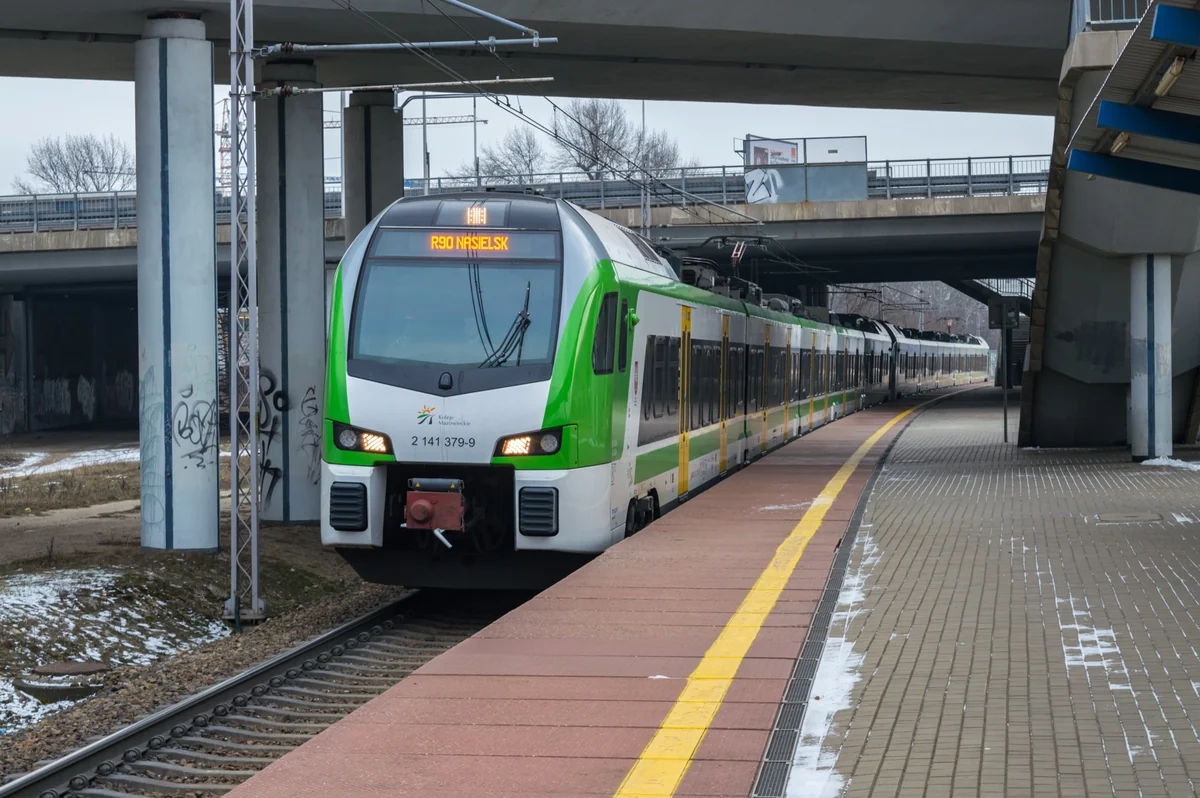
The Flirt EMUs are being deployed on key regional routes in Mazovia, including services linking Warsaw with Łowicz, Sochaczew, Małkinia and Mińsk Mazowiecki.
Their introduction into service directly supports higher transport capacity, shorter journey times and improved reliability on regional rail operations.
Koleje Mazowieckie is one of Poland’s larger regional passenger operators. In 2024, Stadler said the operator ranked third in the country by passengers carried, ran about 800 trains a day and had 332 vehicles in its fleet. Stadler also said a 61-unit FLIRT ER160 order for Koleje Mazowieckie was completed in 2023, placing the current 75-EMU programme in the context of an existing Stadler-built regional fleet.
Passenger capacity and onboard equipment
Each train is more than 98 meters long and can carry up to 582 passengers, including 261 seated places. The units are designed for a maximum operating speed of 160 km/h.
The vehicles use a lightweight aluminium structure, supporting energy efficiency and lower operating costs. Passenger equipment includes air conditioning, Wi-Fi, modern information systems, power sockets and USB ports.
The trains are also designed for passengers with reduced mobility. Accessibility features include ramps, dedicated spaces and audio assistance systems for passengers with hearing impairments.