Rail yard relocation targets Salt Lake City bottlenecks
03.06.2026
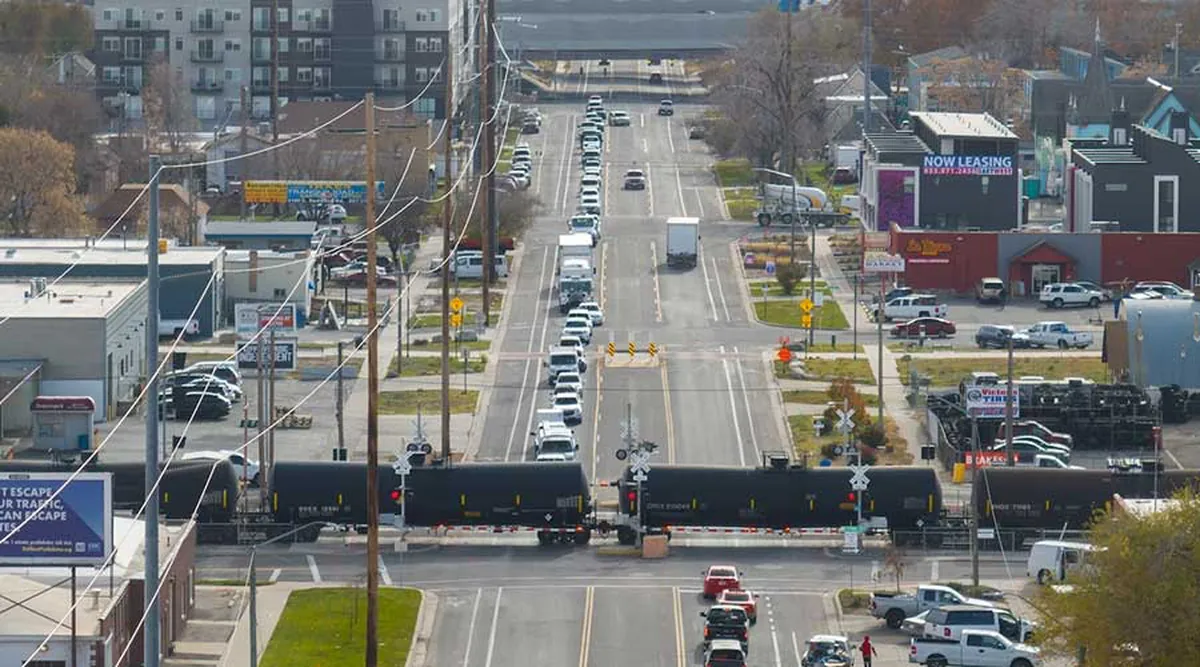
Rail yard relocation has gained new backing from the Utah Inland Port Authority, which approved $500,000 for the SLGW East yard relocation south of Salt Lake City Airport. The money is meant to help the project move forward as costs rise and west side residents continue to deal with blocked crossings.
Why the rail yard relocation matters for crossings?
The Utah Inland Port Authority rail yard relocation funding supports a project that officials say will significantly reduce Salt Lake City grade crossing congestion. The focus remains on the city’s west side, where blocked crossings and industrial activity have become part of daily concerns for local communities.
The project calls for moving Salt Lake Garfield and Western Railway’s East yard to a new interchange south of the airport. According to UIPA officials, the change should reduce both the frequency and duration of blocked grade crossings. It is also expected to improve local traffic flow and lower localized emissions by reducing vehicle idling near crossings.
Funding gap grew after the federal grant
The project was anchored in 2018, when the U.S. Department of Transportation awarded a $13.65 million grant to the Utah Department of Transportation. Since then, projected costs have climbed to more than $31 million.
Salt Lake Garfield and Western Railway, a Patriot Rail short line, had been responsible for all expenses above the fixed federal share. UIPA said its $500,000 contribution will help offset those added costs and support continued progress on the SLGW East yard relocation.
Northwest Quadrant study shaped priorities
The decision followed a February 2026 baseline study conducted by UIPA and Salt Lake City for the city’s Northwest Quadrant. The study identified transportation, freight movement, air quality, public safety and neighborhood impacts as top priorities for Salt Lake City’s west side communities.
Recommendations for priority investments were presented to the UIPA board and Salt Lake City Council in March. Salt Lake City Mayor Erin Mendenhall said residents had made clear that blocked crossings and industrial impacts affect daily life, calling the project “a tangible step toward addressing those concerns.”
The project is also expected to give SLGW greater capacity to serve freight-rail shippers. Officials also said it should decrease truck congestion on regional roads. Utility work is already underway, and construction is expected to begin this year.