Parallel Systems and Agility map out autonomous freight rail for the Gulf
Parallel Systems and Agility’s corporate venture arm have agreed to develop and deploy autonomous freight rail across the GCC and wider EMEA, starting with a search for priority corridors.
The agreement, announced in Abu Dhabi on 28 September 2026, sets out a scope that runs from development and commercialisation to financing and deployment. It reaches beyond the Gulf Cooperation Council (GCC) states to Europe, the Middle East and Africa (EMEA) and to other international markets.
Agility, a logistics operator and investor listed on the Abu Dhabi Securities Exchange, is acting through Agility Ventures. This corporate venture arm backs emerging technology companies in fields such as digital supply chains and climate action.
Parallel brings its autonomous rail platform to the partnership. Agility adds market access, logistics know-how and infrastructure development capability, along with its ties to regional stakeholders and its reach across freight and supply chains.
What the roadmap covers
The partners plan a roadmap for adapting the system to regional conditions and testing it. It also covers regulatory approvals and the other protocols Parallel needs before it can operate fully in the region.
The first step is to pinpoint priority corridors and places where a commercial case exists for using autonomous rail to improve freight links across the region. The announcement does not give a timeline, an investment amount or a specific corridor.
How Parallel’s vehicles work
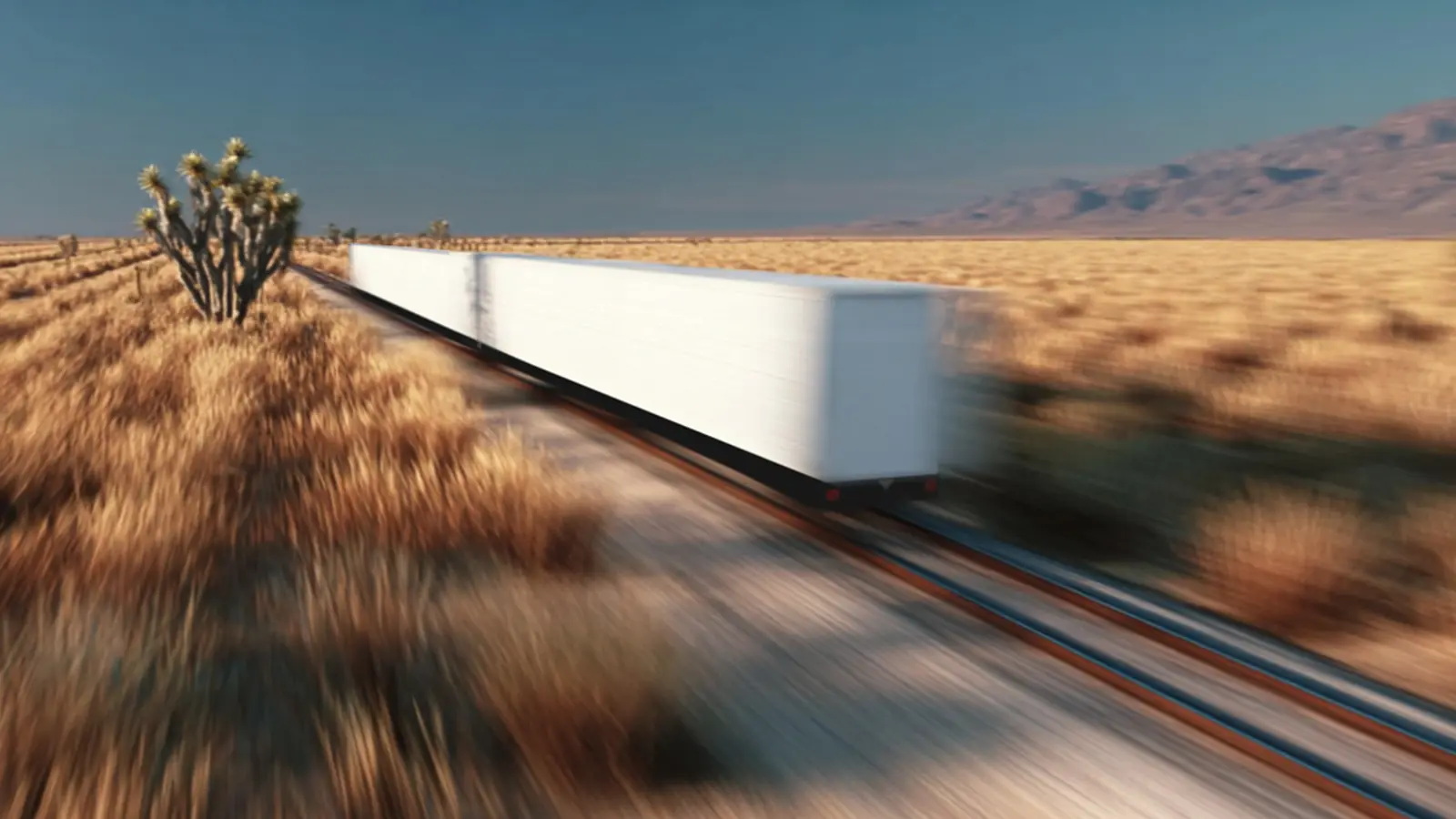
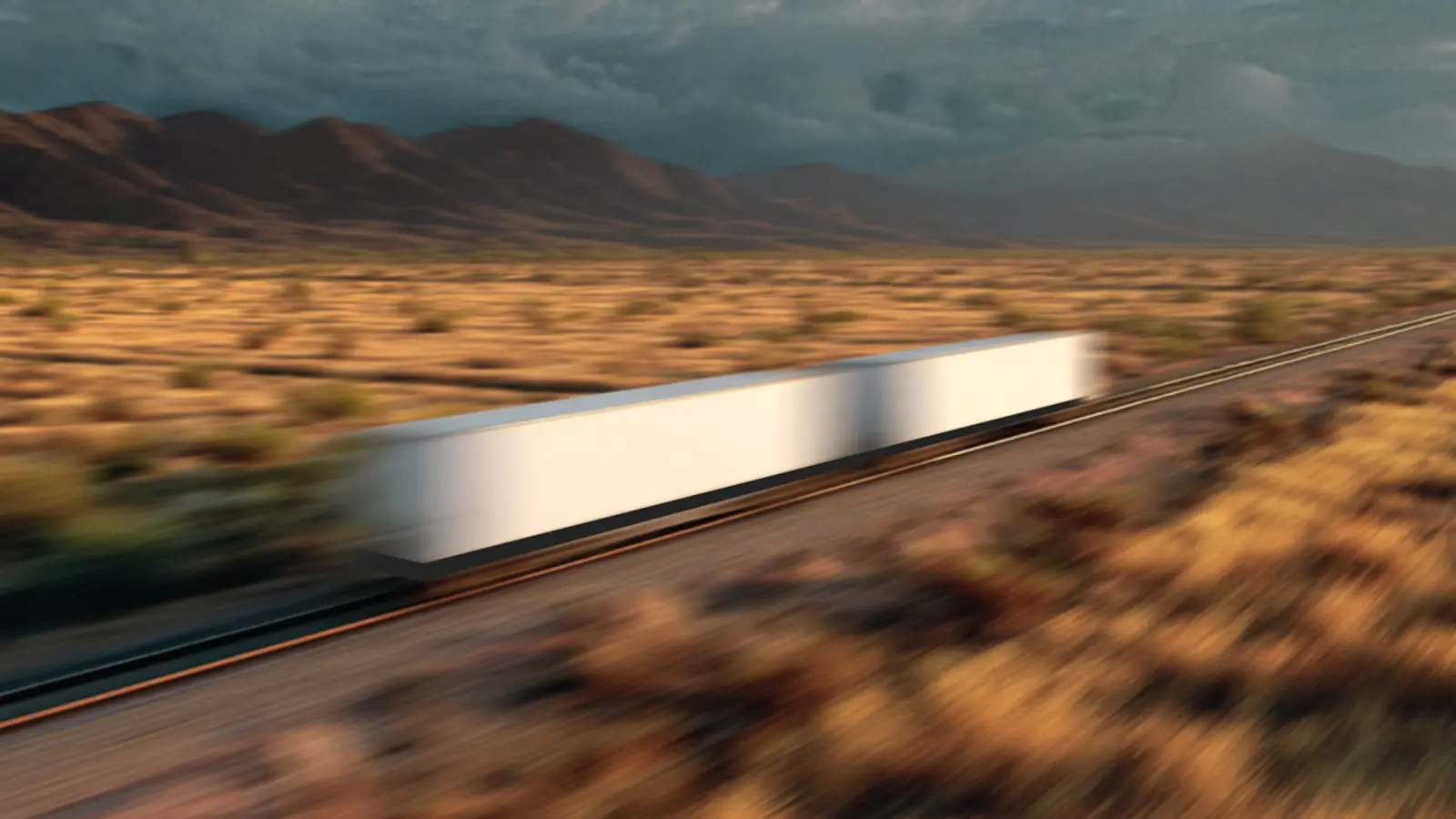
Parallel’s system runs autonomous, battery-electric vehicles on existing rail lines. The vehicles sort themselves, join up into platoons and connect to rail control and business systems.
The system is built for shorter routes with lower traffic density, where the companies expect more flexible and more frequent service. Examples include port shuttles, links with inland logistics sites and freight moves between cities. Parallel puts the range of its vehicles at up to 500 miles per charge when hauling intermodal containers. The partners say this could ease congestion at ports, shorten container dwell times and reduce short truck trips.
Arun Gupta, Parallel Systems’ executive chairman, said the platform lets railroads compete with trucks for short-haul freight on less busy routes. He added that major US railroads have begun adopting it.
| Parameter | Stated value | Source and date |
|---|---|---|
| Power and control | Battery-electric, autonomous vehicles running on existing track | Agility announcement, 28 September 2026 |
| Range per charge | Up to 500 miles when hauling intermodal containers | Agility announcement, 28 September 2026 |
| Platoon size | Usually 10 to 30 vehicles, with no couplings between them | Parallel Systems, 14 April 2025 |
| Vehicle generation | Production of the Generation 3 vehicle being scaled up | Parallel Systems, 14 April 2025 |
| Target routes | Port shuttles, links with inland logistics sites, freight moves between cities | Agility announcement, 28 September 2026 |
All values in the table are Parallel’s own statements as of the dates shown. The April 2025 figures were published before the agreement with Agility.
Why Agility points to Gulf ports
Agility chairman Tarek Sultan linked the timing to rail and port projects now advancing across the GCC. He said:
“Autonomous rail could help unlock additional port capacity and improve container flows, from Saudi Arabia’s Red Sea gateways to major ports on the Gulf and Arabian Sea.”
Sultan also argued that, while GCC rail networks are still taking shape, the region can build autonomous, battery-electric technology into them from the start.
Parallel’s pilots in the US and Australia
Parallel, a Los Angeles-based company founded in 2020, has tested its system under US federal oversight. In August 2023, Genesee & Wyoming short lines Georgia Central Railway and Heart of Georgia Railroad asked the Federal Railroad Administration (FRA) to approve a pilot of the technology.
In a notice published in February 2025, the FRA approved a seven-phase test program on a 160-mile segment of the two railroads in the US state of Georgia. The approval gave limited, temporary relief from certain safety rules, and each new phase needs the FRA’s written approval. In April 2025, Parallel said it had tested compatibility with Positive Train Control together with Union Pacific. The company then reported a backlog of more than 300 vehicles with railroads and expected initial commercial operations by 2026. The Agility announcement does not say whether those operations have started.
Outside the US, Arc Infrastructure in Western Australia unveiled a prototype autonomous container wagon developed by Parallel in December 2023. The wagon ran its first mainline trial between Kenwick and Forrestfield on 1–2 October 2024, reaching 30 km/h.