Hydrogen Train Expansion in India Hinges on Feasibility
INDIA: India’s hydrogen-powered train remains a pilot on the Jind–Sonipat route, with any wider deployment dependent on resources, operational feasibility and other requirements, according to Railway Minister Ashwini Vaishnaw.
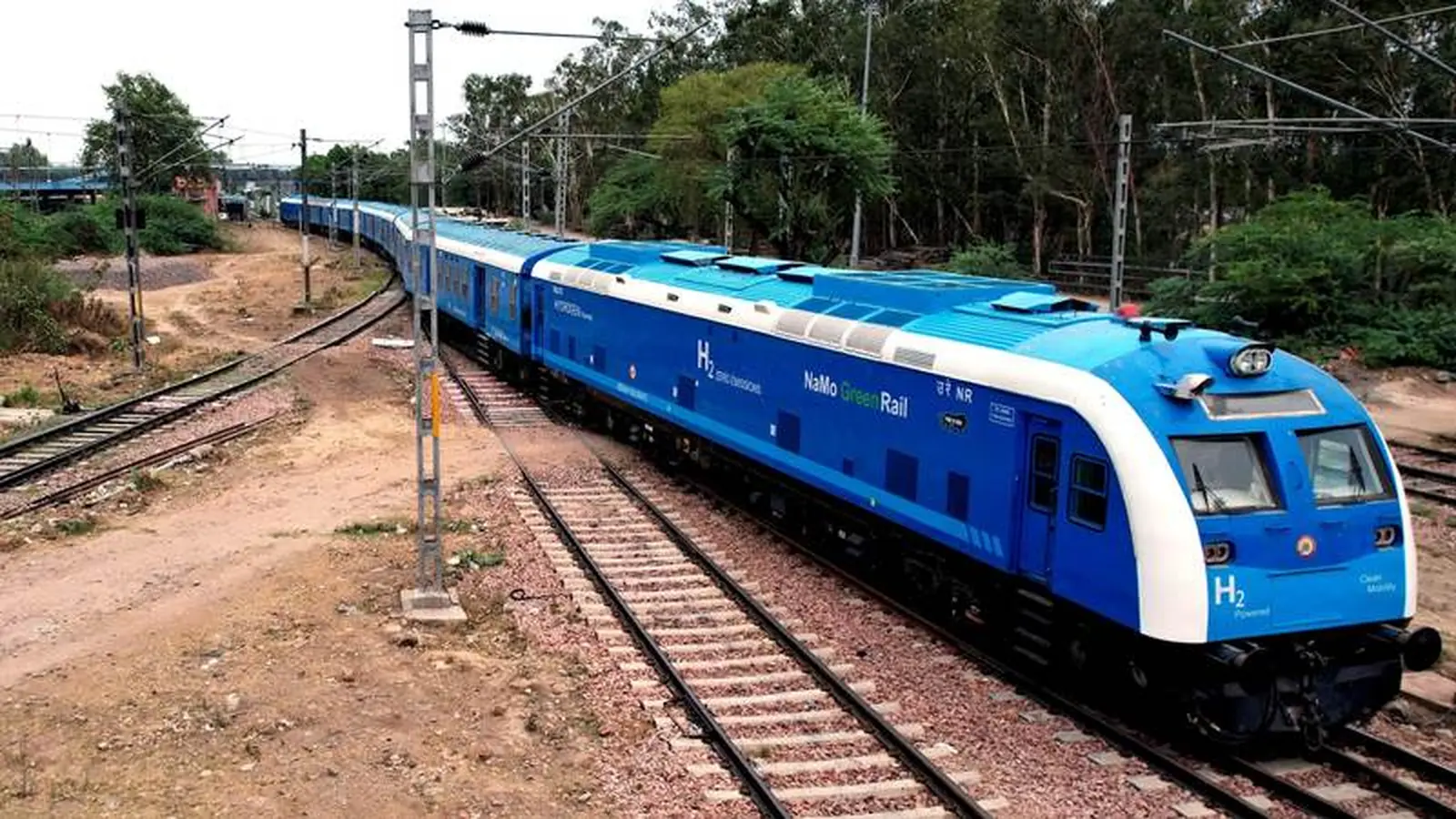
The train entered service on July 17, 2026. In Vaishnaw’s written reply to the Rajya Sabha, the pilot had covered 2,492 km in commercial service through August 3 on the 89-km Jind–Sonipat section.
What operational feasibility means in the pilot?
The Ministry of Railways’ detailed technical material describes Jind–Sonipat as a pilot selected to demonstrate operational viability, safety and reliability under regular operating conditions.
That description gives more substance to the feasibility condition cited by Vaishnaw, without amounting to a published checklist for future routes. The same ministry material says operational preparations include standard operating procedures, regular audits, trained and certified personnel, technical staff accompanying the train during its initial phase and 24×7 monitoring of the hydrogen refuelling system.
Before passenger operation, the train also underwent load-box, radio-frequency, oscillation and emergency-braking-distance trials, together with statutory inspections and an independent safety assessment. The train is approved for a maximum operating speed of 75 km/h on the pilot section.
Don’t miss…Amtrak Portland–Seattle disruption remains indefinite
Jind shows the resources behind hydrogen operation
Resource availability is also visible in the dedicated hydrogen infrastructure built at Jind. Indian Railways says hydrogen is produced on site by electrolysis, stored and compressed to 500 bar, then dispensed at 350 bar through two independent dispensers so both Hydrogen Driving Power Cars can be refuelled simultaneously.
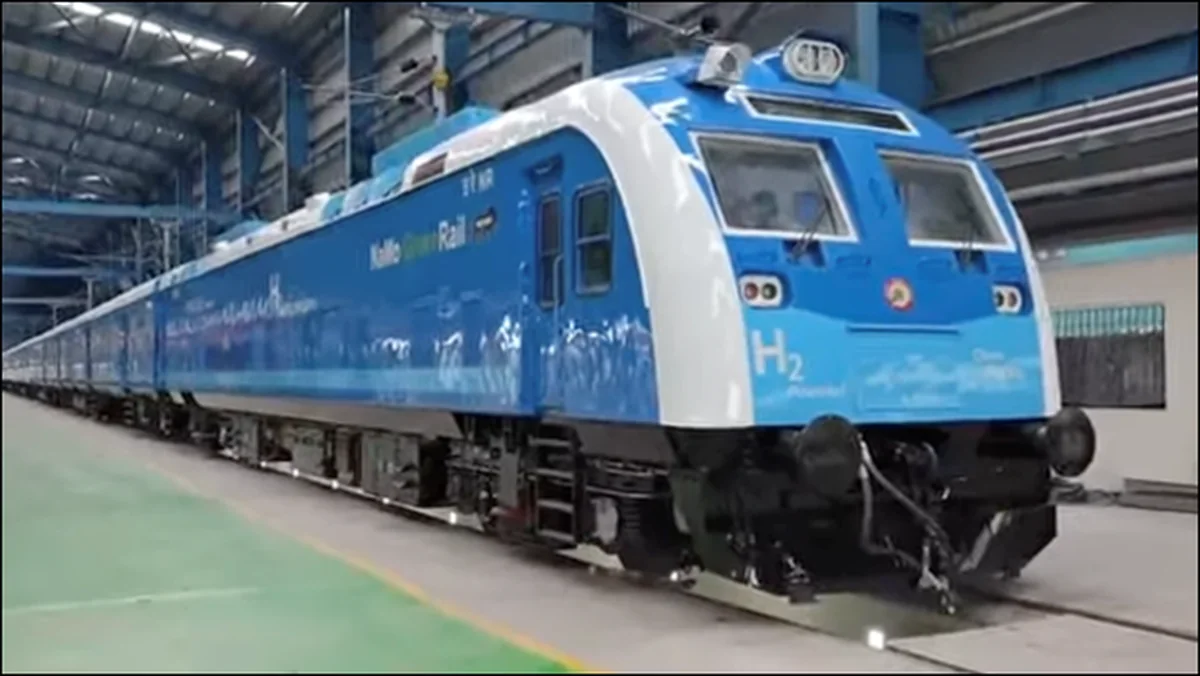
The Jind facility can store nearly 3,000 kg of hydrogen at a time. It also has a standby compressor, while the storage and dispensing system has received the required Petroleum and Explosives Safety Organisation licence. The hydrogen ecosystem was designed to NFPA-2 and ISO 19880-series standards and underwent a third-party safety assessment by TÜV SÜD.
These details show the type of technical, staffing, safety and fuel infrastructure supporting the current pilot. They do not establish that every future route would need an identical configuration; Vaishnaw’s reply keeps wider deployment conditional rather than confirmed.
News on railway transport, industry, and railway technologies from Railway Supply that you might have missed: