CN Rail derailment update details recovery work and repairs
21.06.2026
CN Rail derailment update outlines recovery work and travel effects after a recent freight derailment on its network, including cleanup, infrastructure repairs and temporary service changes at the start of the summer travel period.
Latest information on CN derailment recovery
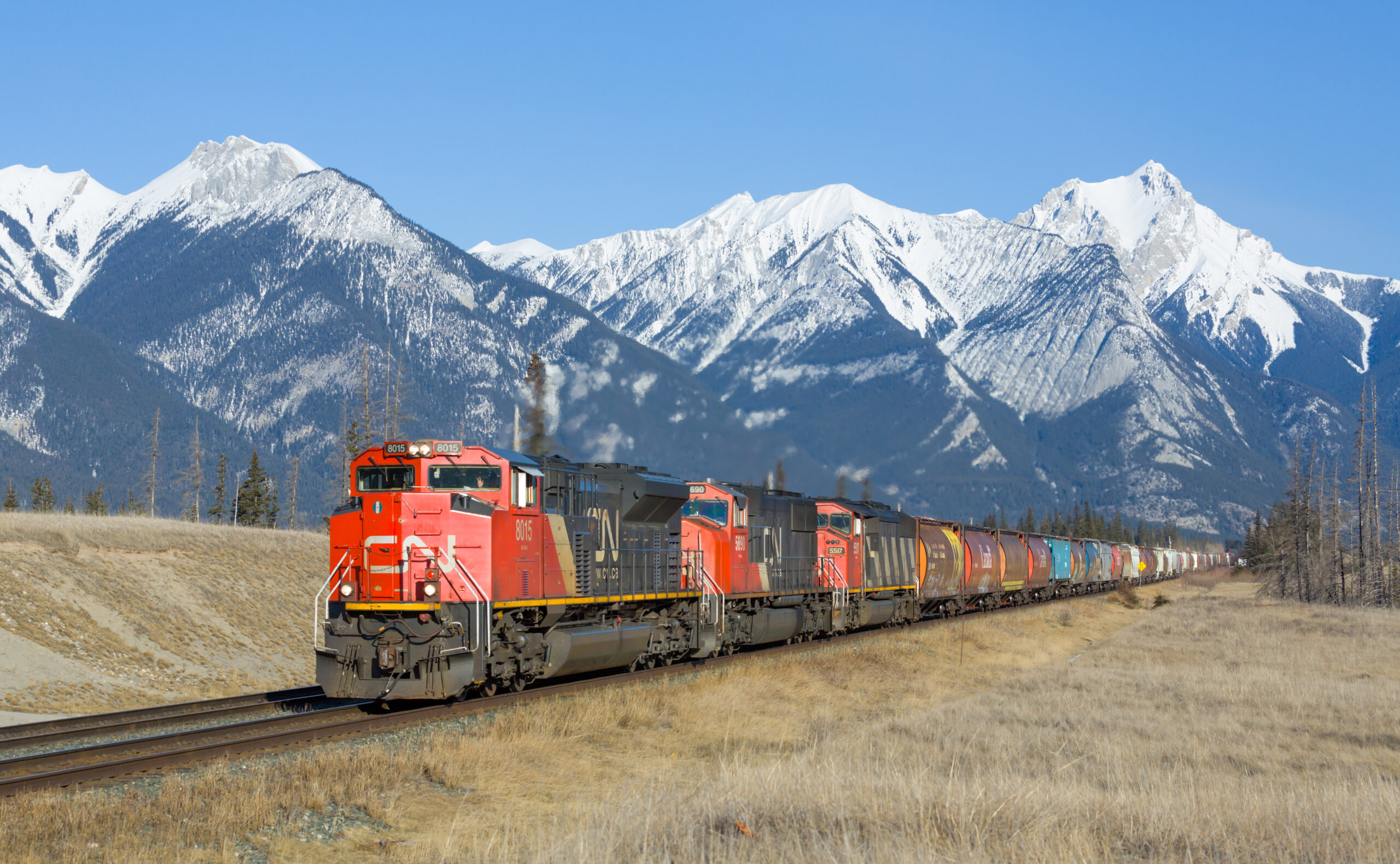
Canadian National Railway has dealt with several derailment events across its Canadian and cross-border operations in 2026, including incidents in British Columbia, Ontario and areas close to the Canada–United States border. In recent public updates and statements referenced in news and industry coverage, CN has focused on a freight train derailment that caused line closures, complicated recovery operations and temporary changes for both freight and passenger traffic.
One reported case in western Canada involved a CN train that came off the track after a mudslide on a remote section of railway. Public information indicated that the train was not transporting dangerous goods, which reduced the environmental risk, although the incident still required a closure lasting several days for inspections, rerailing, track work and slope stabilization. Another spring incident in southern Ontario involved a CN freight train carrying non-hazardous products, including polyethylene, which derailed near a key passenger corridor and led to emergency response work and major repairs to the affected track.
Regional reporting and rail-focused updates have described CN crews moving through staged recovery operations, from removing damaged railcars to replacing track sections and checking nearby bridges and signaling systems. Those updates have generally stated that most of the affected freight cars remained on railway property and that early reviews did not identify broad environmental contamination. Even so, the closures affected nearby communities and contributed to punctuality problems on some connecting rail services.
Cleanup operations and track repairs
CN’s immediate response, based on publicly available information, has focused on securing derailment sites, clearing damaged equipment and restoring the rail bed, track and related structures so trains can resume normal-speed operation. Images and local reports from affected areas have shown heavy cranes and specialist rerailing machinery operating in restricted railway corridors, including locations that can only be reached by maintenance roads or from the water.
Some derailments have taken place near canal crossings and river valleys, where damage can also affect bridges or marine navigation. A recent incident on the Welland Canal corridor, used by CN freight trains and passenger operators, resulted in a rail bridge being lowered and vessel traffic being shifted through a nearby lock while repair work continued. This created a temporary constraint for marine shipping as CN engineering teams checked bridge elements, installed replacement track panels and tested signaling equipment.
Public updates from CN and partner agencies have described a step-by-step return to operation. Freight movements at reduced speed have generally resumed once the main line was cleared, with normal speeds restored later. In several recent cases, lines reopened within days, but full schedule recovery took longer because dispatchers still had to manage delayed passenger and freight trains. Rail observers have described this type of phased restart as a standard response after infrastructure incidents, as it allows service to resume while repaired sections continue to be monitored.
Passenger service disruptions and freight detours
Passengers have mainly seen the impact through revised schedules, cancelled departures and replacement buses. In the busy Ontario and Quebec corridors, where much of VIA Rail Canada’s service uses CN-owned infrastructure, reported derailments and related track limits have forced passenger operators to shorten routes or move passengers by road while cleanup and inspection work was underway.
In the Niagara Peninsula and St. Catharines area, reports described periods when GO Transit commuter trains and cross-border Amtrak and VIA services were reduced because a CN freight derailment blocked a shared main line. Service notices advised commuters to delay non-essential travel where possible or prepare for longer trips involving bus transfers. A similar pattern appeared in northern Minnesota on a CN-controlled line near the border, where a derailment involving more than a dozen freight cars temporarily closed a highway and affected road access to the Northwest Angle, a remote tourism area.
Freight customers have also been affected by the disruptions. Industry publications have noted that CN has sometimes moved trains through parallel corridors or over partner lines when those options were available, increasing distance and journey time while maintaining links for commodities including grain, forest products and manufactured goods. In more isolated locations, alternatives have been limited, which has caused short-term congestion at terminals and ports until the affected main line returned to service. Travel-focused coverage has also noted that the disruptions have occurred during a period when rail holidays, scenic journeys and long-distance trains are being promoted as alternatives to air and highway travel.
What is known about service?
The clearest official reference point is the St. Catharines occurrence now listed by the Transportation Safety Board of Canada as an active investigation. TSB records place the March 30, 2026 CN derailment at Mile 8.5 of the Grimsby Subdivision and state that 13 cars derailed while the freight train was crossing Welland Canal Bridge 6, a bascule drawbridge used for rail traffic over the canal. This helps explain why the disruption involved both rail repairs and canal operations, while the cause remains outside the article’s confirmed facts.
Safety reviews on CN controlled lines
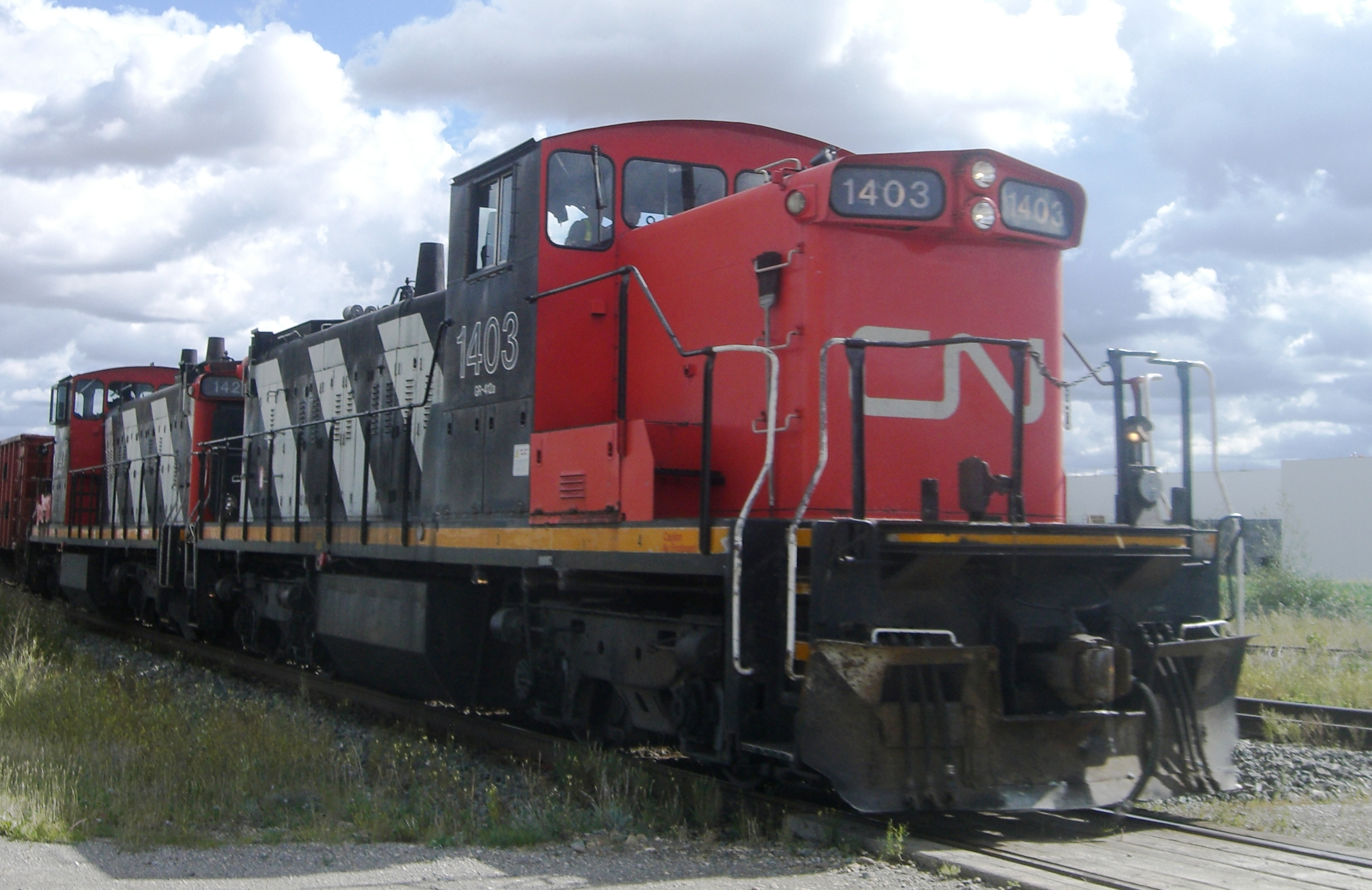
CN’s derailment-related updates and regulatory documents cited in public records point to continued attention on track maintenance, slope stability and planning for extreme weather. In western Canada, heavy rainfall, thawing ground and mountainous terrain have contributed to landslides and washouts along corridors used by both freight trains and passenger services linking coastal communities with inland destinations.
The company has previously pointed to investment in real-time monitoring of track conditions, expanded inspections in higher-risk areas, trackside detection technology and closer work with geotechnical specialists. Recent derailments linked to mudslides and difficult winter conditions have brought renewed scrutiny to these measures, as rail observers consider how climate-related events may affect the dependability of long-distance routes over the coming years.
Court filings related to CN’s efforts to build protective works in sensitive areas, including Jasper National Park, show the potential scale of the issue for national freight and passenger movement. Publicly available documents describe CN’s concern that river avulsion or flooding near important corridors could lead to major derailments and long closures on the main east–west route, with broad consequences for domestic supply chains and tourism trips that depend on transcontinental rail services.
What passengers should check?
For passengers planning journeys over CN-controlled infrastructure, the recent derailment updates underline the need to review schedules close to the date of departure. Passenger rail operators and regional transit agencies usually provide the most useful daily information on changed departure times, bus links and temporary route suspensions after disruption on CN lines.
Tourism organizations and local media in affected areas have reported that most derailment-related closures so far in 2026 have been short in duration, generally lasting days rather than weeks, with rail services returning after inspections and repairs were completed. However, even short interruptions can cause further delays, especially on cross-border routes where customs procedures and limited service frequency leave little flexibility for timetable recovery.
Transportation coverage has cited analysts who note that derailments remain rare when compared with the total number of daily train movements on CN’s network, despite the attention they receive. At the same time, the incidents this year have shown how closely freight and passenger operations are linked in Canada and parts of the northern United States, and how a problem on one freight route can affect leisure and business travel well beyond the derailment location.