Class I Railroads Launch Coordinated Strike Against $85B Transcontinental Deal
01.05.2026
UP-NS merger application still faces opposition from other Class I railroads and shipper organizations. The proposed transaction would create the first transcontinental railroad in the United States. This is reported by the railway transport news portal Railway Supply.

Union Pacific and Norfolk Southern submitted the application on April 30. It went to the Surface Transportation Board. Still, other Class I railroads and shipper trade groups remained opposed. Those groups oppose the proposed $85 billion combination.
Also, Canadian National said the amended filing still fails to resolve the STB’s concerns. The agency rejected the first application in January.
Surface Transportation Board concerns remain central
“Despite having addressed certain deficiencies, the Applicants have failed to materially improve the amended application in ways that address the competitive harms of the merger, despite the Surface Transportation Board’s clear encouragement to do so,” CN said in a statement. “Most notably, they have not remedied the significant competitive harms posed by the merger, nor have they offered any meaningful competitive enhancements as required under the Board’s new rules. These failures should be fatal to the application.”
Also, CN rejected the end-to-end merger description from Union Pacific and Norfolk Southern. “The Company continues to believe the areas of competitive overlap and harms are more extensive than those identified in this amended application,” CN said. “CN is well positioned to provide solutions to the issues the Applicants acknowledge, as well as those harms they have yet to address.”
Railroad responses
Meanwhile, BNSF Railway said it was still examining the 7,030-page filing. CEO Katie Farmer said the proposal was not initiated by customer demand. “This did not begin with a customer asking for a UP-NS merger to happen,” Farmer said. “It’s driven by Wall Street on the promise of a big shareholder payout. It will eliminate competition, raise costs for consumers, and destabilize the supply chain that powers the American economy.”
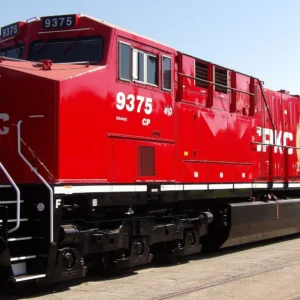
Separately, CSX and CPKC said they were continuing to review the application. A CPKC spokesman said the filing had not changed CPKC’s earlier view. “We don’t see anything that changes what we have previously said about this proposed, unnecessary mega-merger,” the spokesman said.
Shipper groups question rail competition claims
Separately, the National Industrial Transportation League called on the STB to reject the application. The group represents a wide range of rail shippers. It said UP and NS must show that the transaction would improve competition. It also said the merger’s advantages must exceed its harms.
“As a result of prior mergers, rail competition has been drastically reduced and many NITL members have facilities that are captive to only a single railroad. Despite past promises that rail customers would benefit from mergers through more efficient service, today captive rail customers pay increasingly higher prices for unreliable and inadequate service,” NITL Executive Director Nancy O’Liddy said.
In addition, NITL said it will continue assessing possible effects on rail customers. It is considering whether the UP-NS combination would serve the public interest. It is also considering whether it would strengthen rail-to-rail competition.
Customer groups remain opposed
Also, the Freight Rail Customer Alliance said it continues to oppose a transcontinental railroad merger. Its members include utilities, agricultural shippers, chemical producers, and manufacturers.
“The Freight Rail Customer Alliance has long been opposed to continued consolidation in the rail industry based on past experiences resulting in increased rates, higher fees, and unreliable service,” President Emily Regis said.
Separately, Chet Thompson said further rail consolidation would negatively affect refiners and petrochemical producers. Thompson is CEO of American Fuel & Petrochemical Manufacturers.
“Our members rely on timely, affordable and competitive rail service to produce the fuels and essential products Americans depend on every day. But history shows consolidation has, too often, led to higher rates, longer transit times and reduced service. AFPM urges the Surface Transportation Board to apply rigorous scrutiny to this latest merger application for the sake of rail competition, reliability and affordability for both American shippers and consumers,” Thompson said.
At the same time, UP and NS argued the merger would improve rail service. They have also said it would shift freight from highways to rail. They say it would increase rail competition and lower shipper costs. They also say it would make American companies more competitive in global markets.
News on railway transport, industry, and railway technologies from Railway Supply that you might have missed: