BNSF Slashes Fleet by 260 Locomotives in Aggressive Push to Close Operating Gap
BNSF efficiency gains are showing up in the railroad’s financial results. CEO Katie Farmer says the company still needs to improve profitability. She said it also needs to narrow the gap with its closest western competitor. This is reported by the railway transport news portal Railway Supply.
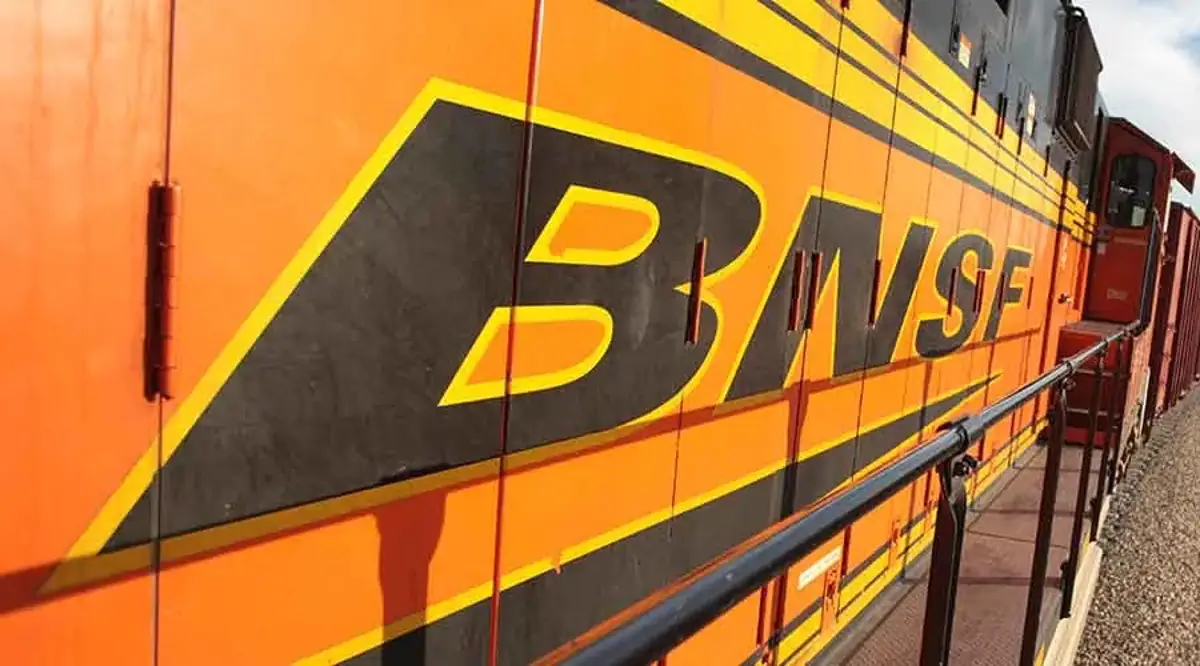
At Berkshire Hathaway’s annual meeting on May 2, Farmer outlined BNSF’s priorities. The railroad remains focused on efficiency. It is also focused on a competitive cost structure and profitability relative to Union Pacific. In 2025, BNSF reported an operating ratio of 65.5%, compared with Union Pacific’s 59.8%. That left a 5.7-point gap between the two railroads.
Berkshire Hathaway CEO Greg Abel raised the same issue during the meeting. He reiterated that BNSF improved its operations last year. He also said the railroad still needs to close the operating ratio gap. Abel described operating ratio as a key measure of profitability. Among the six Class I railroads, Abel noted BNSF ranked fifth last year on that metric. It moved up to fourth place in the first quarter.
BNSF efficiency gains and the operating ratio gap
Meanwhile, Farmer said improving BNSF’s merchandise network was a main priority in 2025. Terminal dwell fell 13% last year, reaching record-low levels. Each car spent an average of three fewer hours in terminals than in 2024.
According to Farmer, better performance in the single-car merchandise network benefits customers. It releases resources and adds capacity. In addition, it allows BNSF to move the same amount of freight with fewer assets. Farmer said that could also mean more volume. She said those changes are contributing to the profitability improvement. That improvement is now showing in the company’s results.
In the first quarter, BNSF’s volume rose 2.2% year over year. At the same time, the railroad moved its tonnage with 260 fewer locomotives. Those BNSF efficiency gains were among the reasons pre-tax income rose 13.5%. The operating ratio improved by 2.3 points to 65.6%.
Technology and cost control remain in focus
BNSF is also looking to technology to improve operations, service, and its cost structure. Farmer said BNSF is bringing data scientists into its Network Operations Center. Operations research specialists are also working there alongside operating teams.
For example, digital twins are among the tools under review. They would allow BNSF to model railroad operations before running them in the real world. Also, Farmer pointed to predictive ETAs for customers. She said they could improve the service product. They could also help BNSF turn assets more quickly.
Cost reduction remains another focus. Fuel and labor are among the railroad’s largest expenses. Farmer said BNSF set a first-quarter record for fuel efficiency. In addition, she linked that improvement to competing with trucks, environmental benefits, and financial performance.
Fuel prices and trade uncertainty affect the outlook
Fuel prices are also affecting BNSF’s short-term outlook. Farmer said fuel prices have risen since the start of the Iran conflict. That could make rail more attractive for some over-the-road shipments. She said BNSF’s intermodal business becomes more competitive as fuel costs rise. Meanwhile, the railroad is seeing an increase connected to developments in the Middle East.
Still, she warned about the opposite effect across the broader freight market. If fuel remains expensive for too long, consumer demand may weaken. She said that would affect all of BNSF’s business segments.
Separately, tariff uncertainty and trade tensions are creating another planning challenge for customers. Farmer said some customers are delaying investment decisions. Those decisions involve new or expanded manufacturing facilities. She said the outlook remains difficult to plan around.
Autonomous trucks add another competitive issue
Farmer also addressed autonomous trucks. Meanwhile, pilot operations are already taking place in Texas. She said railroads must innovate to compete with technology changes in trucking.
Last week, Bot Auto said it had completed what it described as the first fully humanless over-the-road commercial truckload. The run operated between Houston and Dallas.
Farmer said rail operations have already changed significantly over time. Trains once required five crew members. Most trains now operate with two people. She said technology will continue to evolve in railroading, as it does in other industries.
She also pointed to autonomous trucks operating in Texas along I-45. She said railroads need the ability to compete and innovate in response. In addition, Farmer said regulations will need to allow railroads to pursue such changes.
The regulatory environment is moving differently for the two modes. The U.S. Department of Transportation has adopted regulations encouraging autonomous truck development. Several states have done the same. By contrast, the Federal Railroad Administration has adopted a two-person train crew rule. Several states have approved laws requiring two people in the locomotive cab.
News on railway transport, industry, and railway technologies from Railway Supply that you might have missed:


