Amtrak Faces Subsidy Cuts as Losses Soar
01.03.2025
Amtrak Subsidies Face Major Overhaul as Losses Mount. This was reported by the railway transport news portal Railway Supply.

The Department of Government Efficiency targets Amtrak subsidies for swift elimination. Congress backs this plan to stop wasteful spending fast.
Amtrak Losses Pile Up Despite High Costs
In FY2024, long-haul routes dropped a hefty $635.1 million in losses. Meanwhile, short-haul routes lost another $565.6 million, despite state aid.
Even the Northeast Corridor fails to profit when depreciation hits the books. Consequently, passenger trains have bled cash for 79 years straight.
Don’t miss…New York Subways Unveil Smartphone Track Defect System
Amtrak touted a ridership record for FY2024, but figures mislead everyone. Passenger-miles actually dipped 3.4% since FY2013, hitting 6.5 billion.
Critics point to highway subsidies to justify the rail service’s struggles. Yet, highways deliver 5 trillion passenger-miles with $90.5 billion in 2022.
By contrast, the rail service took $3.5 billion for 4.9 billion passenger-miles. Thus, it consumes 39 times more subsidies per mile than highways.
Shockingly, leaders grabbed $5 million in bonuses during FY2023 despite deficits. Fourteen top executives scored over $200,000 each, angering taxpayers nationwide.
Meanwhile, America’s freight railroads flourish without a dime from government coffers. These firms maintain tracks and outshine trucking without aid.
Defenders call unprofitable routes “essential,” but stats paint a different picture. The rail network covers just 0.001% of passenger-miles total.
For every town served, 40 others miss out on train access completely. If trains vanished, travelers could pivot to cars or planes easily.
Airfare averaged $0.23 per passenger-mile in 2024, beating rail costs. Subsidies reached $0.91 per mile, making flights a cheaper option.
Amtrak Investments Falter While Alternatives Shine
In 2017, the rail service sank $181.2 million into Point Defiance Bypass. The upgrade shaved 10 minutes off Seattle-Portland but crashed hard.
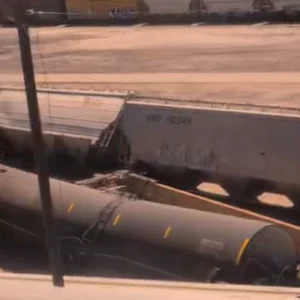
The debut train derailed due to speeding, killing three, injuring 65. A federal investigation pinned the disaster on operational errors alone.
The website once hyped eco-friendly travel until January 2025 hit hard. Then, it axed the page, hinting at overhyped green benefits.
Routes like Auto Train could stand alone without government cash flow. Beyond that, cars or planes often outpace trains in efficiency.
Passenger trains stick to an outdated model for 79 long years. Still, slashing subsidies might spark innovation, not doom, for rails.
Australia’s Ghan and Indian Pacific run profitably with zero public funds. Likewise, some U.S. routes could thrive if subsidies dry up.
History proves it: the 1980 Staggers Act saved freight rails from collapse. Deregulation cut costs and delivered $20 billion annually.
Congress has wrestled for 54 years to cap subsidy growth here. Yet, no tweak has plugged the leak of taxpayer dollars.
Eliminating handouts offers the only fix to rethink passenger rail now. DOGE and lawmakers must act in 180 days flat.
Travelers crave scenic rides, not just basic transport, these days. A leaner, subsidy-free system could meet that demand and win.
The countdown runs—180 days to zero out rail subsidies starts today. Lawmakers face heat to ditch blank checks for good.
Source: townhall.com
News on railway transport, industry, and railway technologies from Railway Supply that you might have missed: