Union Pacific–Norfolk Southern merger reshapes rail industry
Shareholders backed the merger between Union Pacific and Norfolk Southern with clear enthusiasm, and their vote — reported by Reuters — now pushes the debate into a political federal arena.
This is reported by the railway transport news portal Railway Supply.
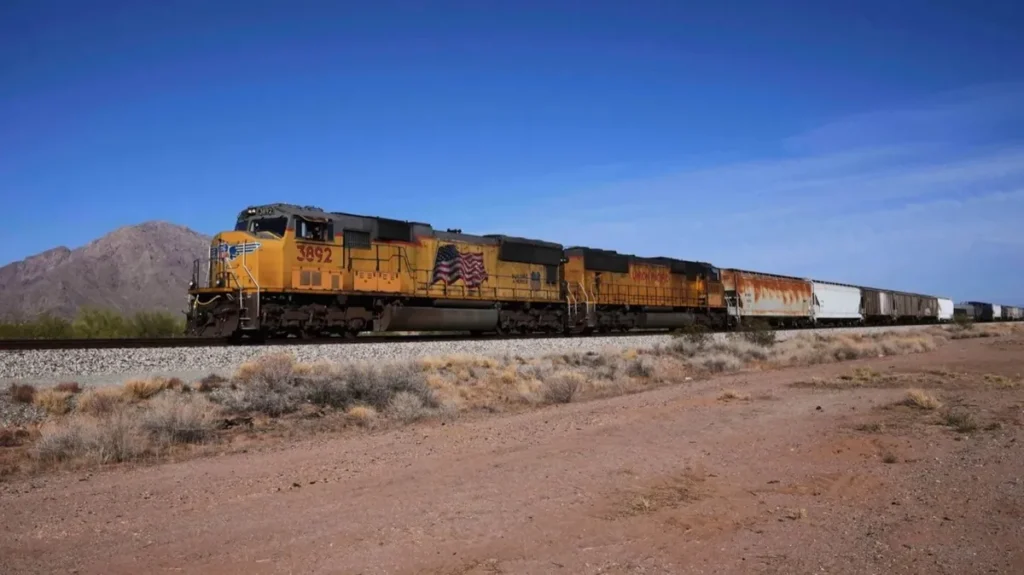
Investor sentiment and momentum behind the merger
Investors at both railroads supported the US$85 billion deal by roughly 99%, and that level of backing gives executives real leverage as they prepare their formal filing. In practical terms, such a vote tells regulators that owners accept the risks as well as the potential rewards.
Don’t miss…Budapest moves ahead with ambitious tram depot upgrade
Union Pacific CEO Jim Vena framed the plan as a chance to “enhance service, growth and innovation,” and he argues that a unified network can move freight more quickly across regions. For many shippers, small gains in transit time and reliability often matter more than any headline number, because disruptions ripple through warehouses, factories and ports.
Supporters also point to the breadth of backing: the largest rail union and hundreds of shippers say they see tangible benefits in combining the two systems. They expect fewer handoffs between carriers and, ideally, fewer choke points where trains wait for track space or paperwork to clear.
Critics read the same proposal very differently. Chemical manufacturers and BNSF warn that less competition could ultimately translate into higher freight rates for key commodities, and they urge regulators to remember how previous rail consolidations sometimes left customers with fewer choices and little leverage.
Regulatory review and wider implications of the merger
The U.S. Surface Transportation Board now holds the decisive role, because the merger cannot proceed without its approval under rules described in the agency’s merger resources. Board members signaled that they will examine the plan carefully, especially since earlier waves of consolidation led to network backups and snarled traffic that took years to untangle.
President Donald Trump already gave the deal a friendly nod after meeting with Vena, and changes in the STB’s membership only sharpened attention on how the board might lean. To be fair, the board operates as an independent regulator, but Washington rarely stays entirely outside a transaction of this size.
State attorneys general and U.S. senators added another layer of pressure by warning that higher shipping costs could “kneecap” American manufacturers if the merger backfires. Their letters do not block anything on their own, yet they remind regulators that freight rail policy reaches far beyond Wall Street.
Investors, meanwhile, watch the situation for signals about what comes next. Many of them think that, if the board approves this merger, other railroads may quietly revisit their long-term strategies, and industry commentary in outlets like Railway Age already treats this proposal as part of a broader cycle of large, transformative rail deals.
Union Pacific’s offer blends cash and stock, valuing Norfolk Southern at roughly US$320 per share and including a US$2.5 billion breakup fee. Those numbers underline how seriously both sides treat the transaction, because walking away would carry a steep financial cost.
If regulators sign off, the combined railroad would control more than 50,000 miles of track in 43 states and connect directly to major ports on both coasts. Executives at both companies say they remain optimistic, but the STB’s review now decides whether the merger becomes a new backbone of U.S. freight rail or just an ambitious plan that stopped at the regulatory gate.
News on railway transport, industry, and railway technologies from Railway Supply that you might have missed: