Train use in Belgium gains ground as fuel costs bite
03.06.2026
Train use in Belgium is becoming a clearer cost choice as fuel prices shape how passengers plan their journeys. SNCB says its survey links higher fuel costs with more frequent rail travel, and ticket sales already show that the shift is visible.
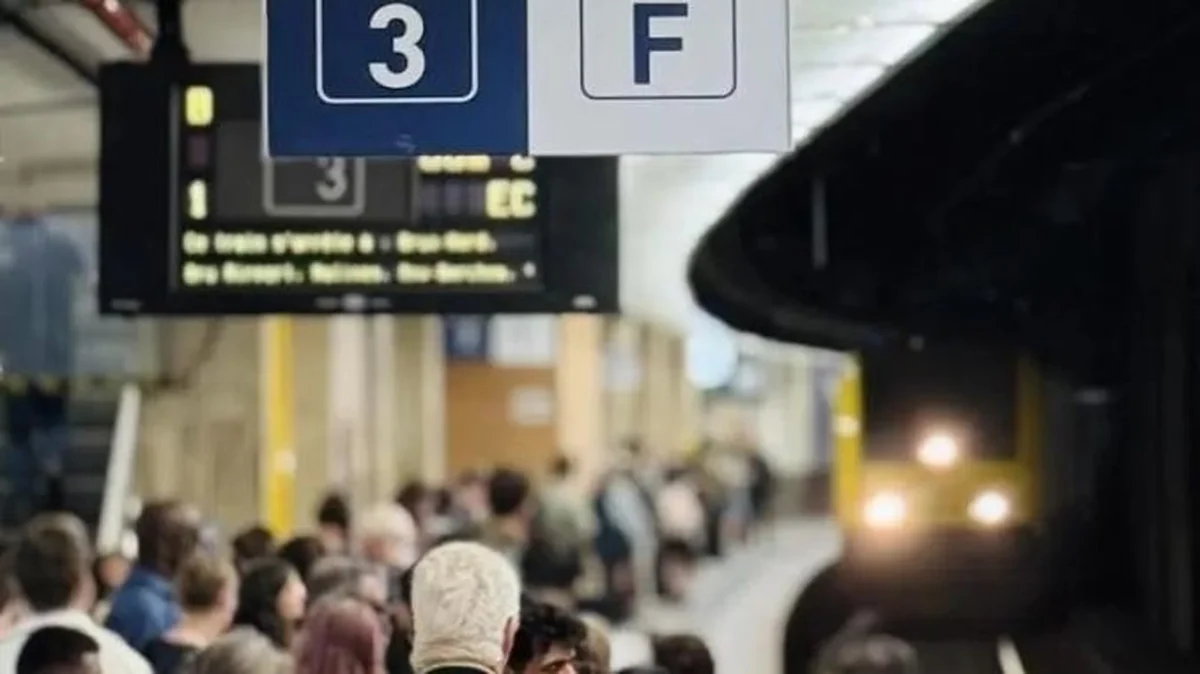
Why train use in Belgium is rising now?
Belgium’s national rail operator says one in two survey respondents connects rising fuel prices with taking the train more often. Travel budgets are now weighing more heavily on both daily mobility and leisure plans, so rail is gaining appeal for weekend getaways, city breaks, and trips to domestic tourist destinations.
SNCB’s sales data points in the same direction. Single-ticket sales rose by 10% in March and April compared with the same period last year, while May figures confirm that the positive trend continued.
The change is not limited to occasional journeys. In March, commuter passes increased by 8% compared with the same month of the previous year. In April, the rise was over 9% compared with April 2025.
Flex-Abonnements are part of that pattern. More than one third of commuter passes now belong to this category, which is designed for passengers whose work routines do not always require daily travel between home and the office.
SNCB fares and discounts support the shift
SNCB says train fares in Belgium remain attractive compared with fares in neighboring countries. The operator points especially to young people, seniors, and passengers receiving the increased subsidy, as these groups receive a 40% discount on all trips at any time of day.
The company is also promoting fare products for small groups. These options are aimed at people travelling together to the coast, the Ardennes, or tourist cities, making rail more competitive for short leisure trips.
The Train+ card has become another factor behind stronger rail demand. SNCB launched the card in October as part of its new fare offer, and more than 1.2 million passengers have chosen the product since then.
Train+ now accounts for about 40% of occasional trips. It has been especially successful among seniors, young passengers, and people who qualify for increased assistance.
The card is available as a monthly or annual pass. Young people, seniors, and recipients of the increased subsidy pay 4 EUR per month, while adults aged 26 to 64 pay EUR 6. The annual pass costs EUR 32 for the first categories and EUR 48 for adults, and nearly 80% of users have selected the annual option.
Train+ card Belgium pricing strengthens off-peak travel
Train+ cardholders receive a 40% discount during off-peak hours and on weekends. In second class, adults pay no more than EUR 14 per trip, while young people, seniors, and recipients of increased benefits pay a maximum of EUR 5.50 per journey.
This structure links the discount to off-peak and weekend travel. It also makes occasional rail trips easier to compare with car journeys at a time when fuel prices remain a visible part of travel planning.
SNCB also presents rail as a cleaner alternative. According to the Belgian operator, one kilometer travelled by train generates around five times less CO₂ than the same distance travelled by car.
Since the launch of the new fare structure, SNCB’s sales channels automatically offer passengers the most advantageous fare based on their profile, age, and travel time. The system distinguishes between adults, young people, seniors, and passengers eligible for increased subsidies, while also separating peak-hour and off-peak travel.
For passengers comparing transport costs, train use in Belgium is now linked to several factors at once: fuel prices, commuter flexibility, discounted fare products, and environmental impact. SNCB’s figures suggest that these factors are already influencing both daily commuting and leisure travel.