STB orders unfiltered workpapers in UP-NS review
26.08.2026
USA: The Surface Transportation Board ordered Union Pacific and Norfolk Southern to submit unfiltered workpapers behind their merger analyses by August 28, saying its decision reflects no view on the merits.
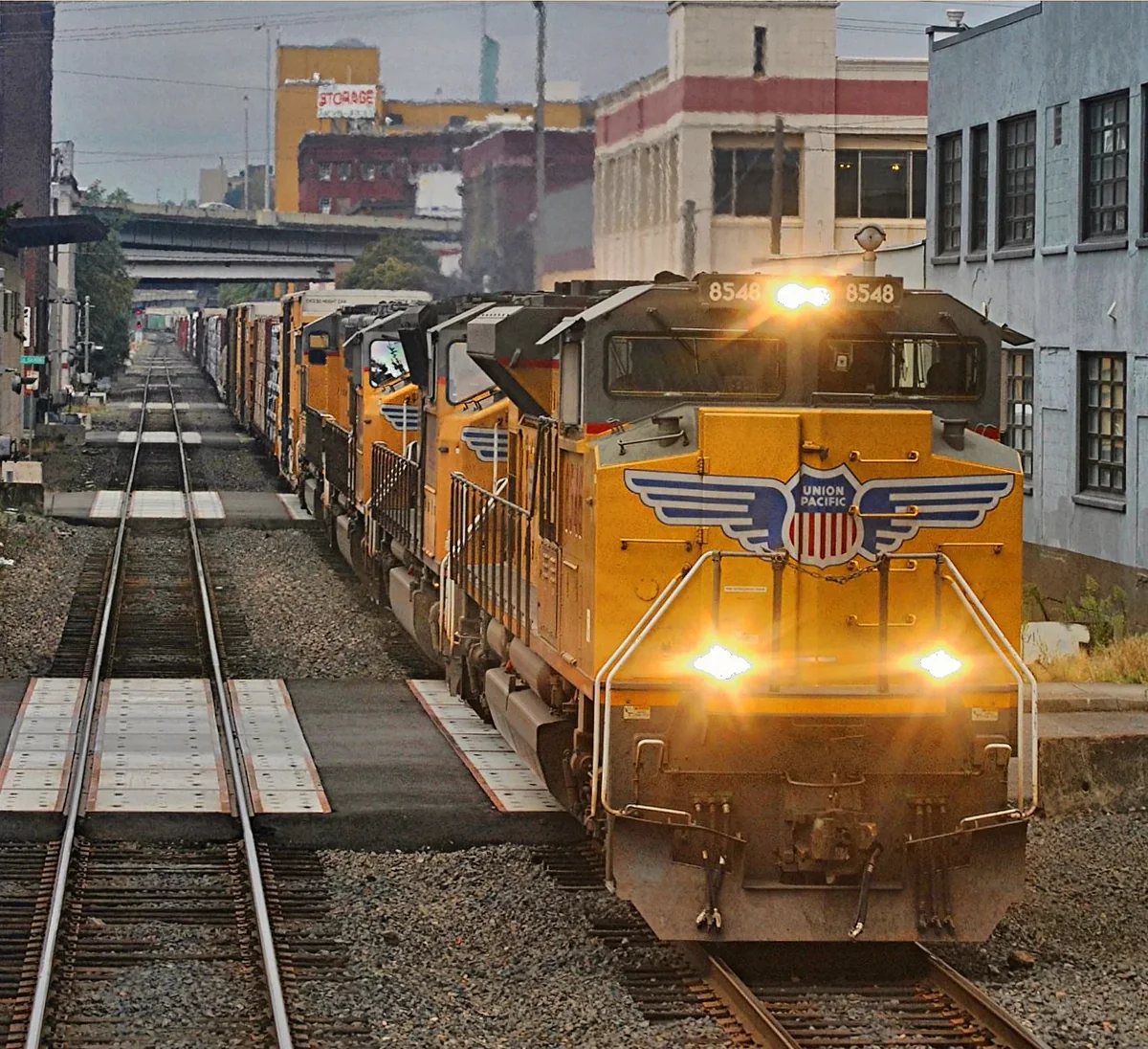
The Board, which is considering the revised major merger application filed by Union Pacific and Norfolk Southern, removed the merger proceedings from abeyance on August 18, including the environmental review of the transaction.
What the filters left out
At issue is how the railroads prepared the data behind their experts’ analyses. The Board found that the applicants had applied filtering or screening criteria to that data, and it recorded their stated reason as materiality and streamlining. The decision makes no finding that information was deliberately hidden.
The decision put numbers on the effect. In one set of diversion projections, the Board said the criteria seem to have filtered out at least 31% of merchandise/bulk locations, 59% of intermodal locations and 30% of automotive locations. A market-share exhibit, E-2, covered major commodity flows corresponding to 80% of current-state Union Pacific and Norfolk Southern traffic. On that basis, the Board concluded that what the companies had provided in those workpapers was partial rather than exhaustive.
Don’t miss: STB Restarts UP–NS Review — and Demands Unfiltered Data
What must be refiled
The remedy is narrow but demanding. The two railroads must supply the full set of rows behind each expert analysis, not only the subsets chosen for presentation, and each refiled workpaper must show which data were already there and which have been restored. The directive covers workpapers alone, not the narratives or verified statements that rest on them. The filing is due August 28, 2026, and the decision sets no automatic penalty for missing that date. Restored material can still fall under the protective order in the case, so not everything refiled is necessarily public.
Two requests to move faster
The same decision turned down two attempts to compress the review. Union Pacific and Norfolk Southern asked the Board to decide, ahead of any ruling on the merits, whether their proposed TRRA divestiture options would satisfy a proposed merger condition. TRRA control is a separate railroad-control question attached to the transaction, and the companies proposed a 90-day schedule for it, arguing that an early answer could help the parties resolve the issue cooperatively. The Board called that premature and said the TRRA question belongs inside its review of the larger transaction.
The railroads also asked for a shorter overall timetable, a maximum 345-day schedule with reduced filing periods, arguing that the end-to-end combination raises no complex competitive or operating issues. The Board declined. It pointed to the unprecedented transcontinental scale of the proposed combination, its potentially far-reaching effects, the complex questions the case is likely to raise, and ongoing discovery issues.
Where the disagreement lies
Those procedural choices matter because the adopted schedule invites comments on the merits of the revised application, including protests, requests for conditions and other evidence and argument in opposition. The rail unions BLET and BMWED argue that the merger could raise shipping rates and consumer prices and disrupt freight service. Union leaders have said the job-protection promises available to them are not detailed enough to rely on. BLET President Mark Wallace has argued that the deal could increase business costs that consumers ultimately pay, and could leave some customers with fewer rail-service options.
Shipper groups make a historical argument. The National Industrial Transportation League, or NITL, says earlier rail consolidation reduced competition and left many of its members with only one railroad to ship on, paying more for service they describe as unreliable and inadequate. Other customer groups, FRCA and AFPM, have separately pointed to past consolidation in connection with higher rates, added fees, longer transit times and weaker service reliability.
Union Pacific and Norfolk Southern reject that picture. The two carriers say the merger would improve rail service, increase rail competition and lower costs for shippers. The Board said its August 18 decision reflected no view on the merits of the revised application, and record development continues under the procedural schedule it adopted.
News on railway transport, industry, and railway technologies from Railway Supply that you might have missed:
Don’t miss: Union Pacific–Norfolk Southern merger faces union safety pushback